


























Connect with Zorays

Hi, what are you looking for?

Business & Startups

The Low Adoption of Digital Payments by Pakistani Merchants — A System Problem, Not a Technology Problem

Why 95% of Pakistani merchant transactions still rely on cash, and what must change before digital payments finally gain real traction.

Digital payments will grow in Pakistan—but only when they solve a merchant’s problem better than cash.

The Tax Reality

There is also a reality rarely discussed publicly but widely acknowledged within business communities.

Cash transactions often enable tax minimization or avoidance. Digital payments, by contrast, leave clear financial trails.

For small merchants already operating under economic pressure—rising electricity costs, inflation, and regulatory complexity—the shift toward transparent digital transactions can feel threatening.

Unless tax structures become simpler, more predictable, and more merchant-friendly, many businesses will continue viewing cash as a protective mechanism rather than merely a payment method.


Lessons From China and Other Markets

Countries that successfully transitioned toward digital payments did not rely solely on marketing campaigns. They created ecosystems where digital transactions became easier than cash.

In China, platforms such as Alipay and WeChat Pay integrated payments directly into everyday digital life. Street vendors, taxis, supermarkets, and online stores all operate within the same payment ecosystem. Transactions are instantaneous, inexpensive, and universally accepted.

In such environments, cash gradually becomes unnecessary.

Pakistan has the technological capability to replicate similar systems. What remains missing is ecosystem alignment between regulators, banks, fintech companies, and merchants.

Pages: 1 2 3 4 5 6

Click to comment

Leave a Reply

Your email address will not be published. Required fields are marked *

You May Also Like

World Affairs

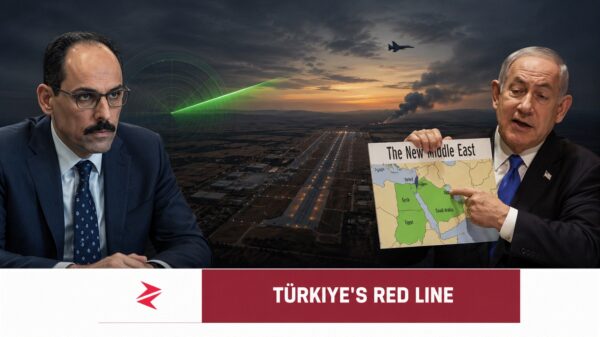
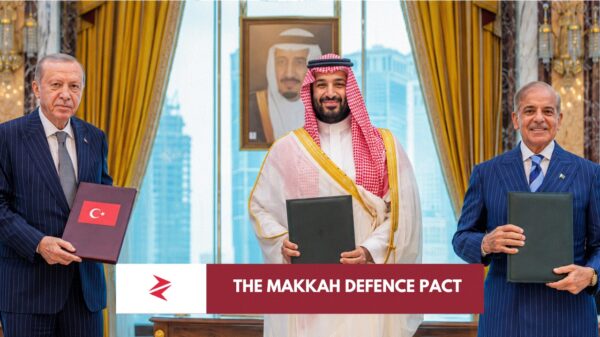
Pakistan, Saudi Arabia and Türkiye’s Makkah defence pact creates collective deterrence—but its Article 51 limits and obligations demand scrutiny.

World Affairs

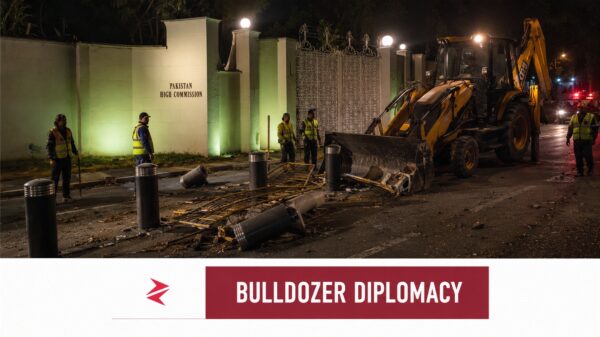
India’s bulldozer action outside Pakistan’s High Commission turned a boundary dispute into diplomatic coercion—and makes lawful reciprocity unavoidable.

Society & Culture

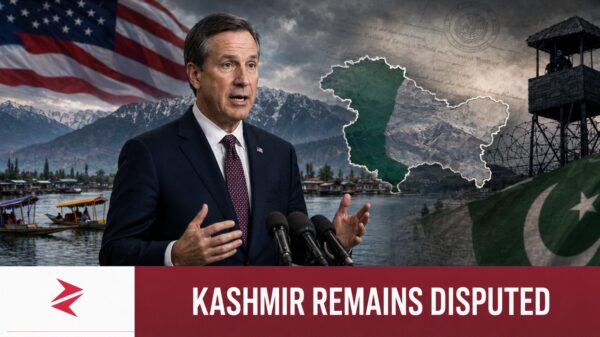
I dislike Tabish Hashmi’s comedy, but evidence still does not prove Geo removed him over Kashmir. Here is what the public record actually shows...

Opinions

Bitget Wallet users report USDT cash-outs to Easypaisa and JazzCash, but licensing, exchange rates, account safety and PRC questions remain.

World Affairs

Pakistan’s removal from Lloyd’s war-risk list could cut shipping costs, strengthen exports, and reset confidence in Karachi, Port Qasim and Gwadar ports.

Politics & Governance

Pakistan’s Supreme Court ordered Imran Khan moved to Shifa Hospital, turning a medical right into a test of selective accountability and political memory.

World Affairs

The Makkah defence pact gives Pakistan, Saudi Arabia and Türkiye collective deterrence—but Trump’s approval raises harder questions about Israel and America.

Advertisement

Exit mobile version