

































Replacement Cost of Government Vehicle Fleet
The cost of the fleet itself is also substantial.
Assuming the average price of a typical government vehicle is Rs6–8 million (Toyota Corolla, Hilux, SUVs used by officials), the replacement value becomes massive.
| Fleet Size | Estimated Replacement Value |
|---|---|
| 84,000 vehicles | Rs500–650 billion |
| 100,000 vehicles | Rs600–800 billion |
Government fleet replacement typically occurs every 7–8 years, meaning annual replacement spending may reach Rs80–120 billion.
The Colonial Legacy of Pakistan’s Bureaucratic System
To understand why these issues persist, one must examine Pakistan’s administrative structure.
Pakistan’s civil service system was inherited directly from the British colonial administration. The purpose of that system was not democratic governance but administrative control over a vast population. Colonial officers were granted extensive privileges—including large residences, staff, transport, and security—to reinforce authority and maintain loyalty.
After independence in 1947, much of this structure remained intact. Over decades, perks such as official residences, government vehicles, fuel allowances, and protocol security convoys became institutionalized as part of the state’s administrative culture.
Today these privileges remain deeply embedded within Pakistan’s governance framework.
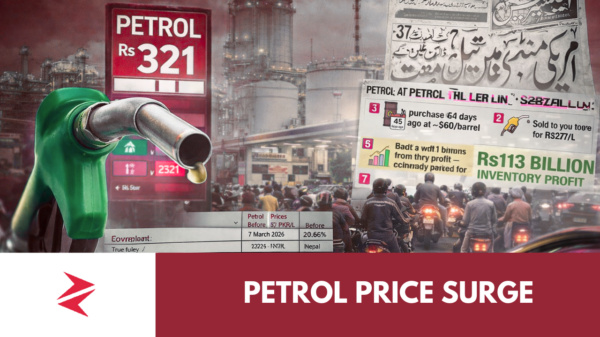
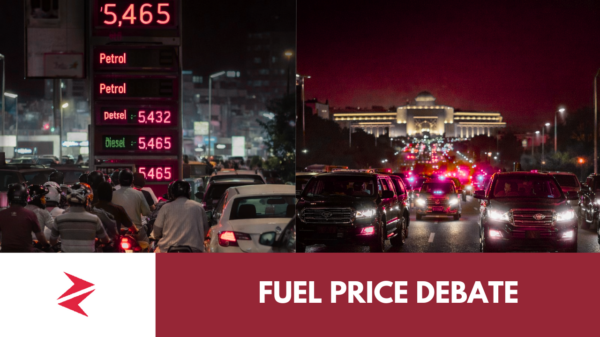
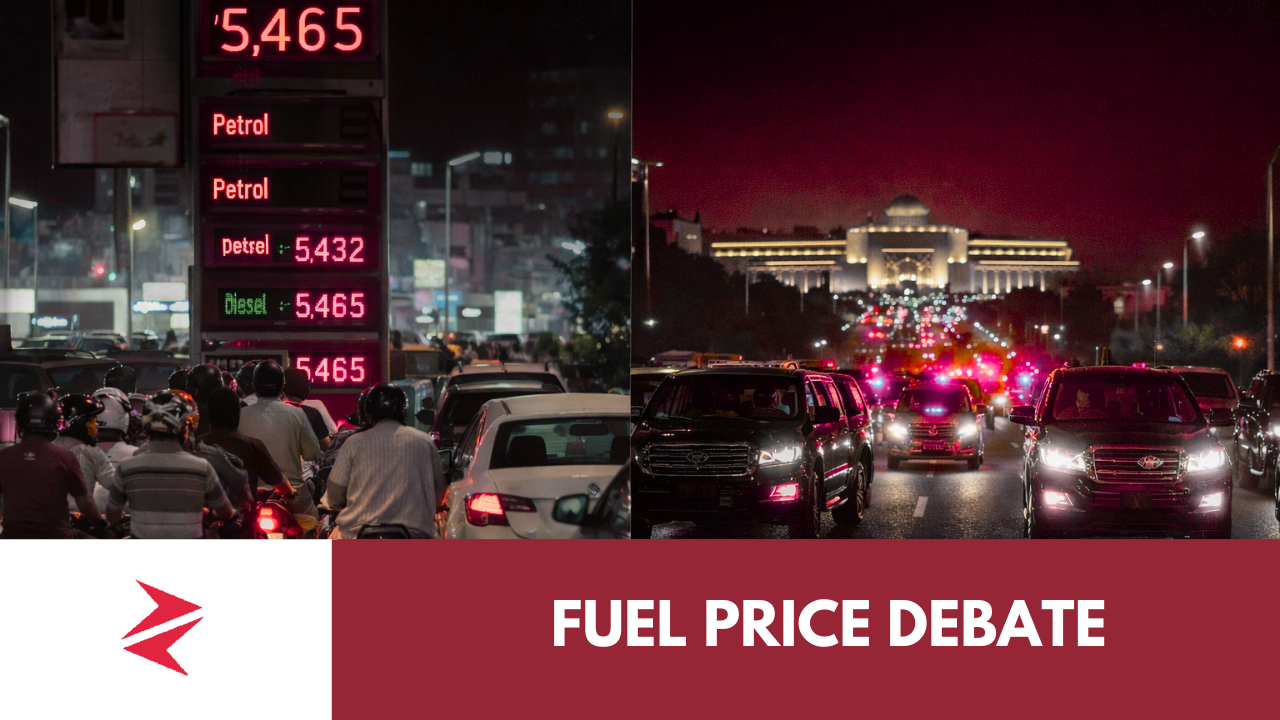
Critics argue that the continuation of these colonial-era perks in a modern developing economy creates a disconnect between the ruling elite and ordinary citizens. When motorcyclists pay record prices for petrol, while convoys of government SUVs move through Islamabad with unrestricted fuel budgets, the optics alone undermine public trust.