

































Why Symbolic Austerity Rarely Works
Governments under fiscal pressure often resort to symbolic austerity measures.
Closing schools temporarily to reduce transport fuel consumption, encouraging work-from-home policies, or asking ministers to forgo salaries are gestures intended to signal shared sacrifice. But historically such measures rarely deliver meaningful macroeconomic impact.
Pakistan’s energy consumption patterns illustrate why.
Petroleum products in Pakistan are used primarily in transportation and electricity generation. Industrial production, logistics, and agriculture depend heavily on diesel. Any attempt to reduce consumption without addressing underlying structural inefficiencies simply shifts the burden from one sector to another.
This is why many economists argue that Pakistan’s real economic reform agenda should focus not on temporary austerity but on systemic governance reforms.
Austerity Measures — Symbolic vs Real Impact
In response to rising fuel prices, the government announced several austerity steps.
| Measure | Estimated Saving |
|---|---|
| Cabinet salary waiver (2 months) | Rs25 million |
| Parliamentarians salary cuts | Rs200 million |
| BS-20 officer cuts | Rs50 million |
Total estimated saving: ~Rs275 million
Now compare this to the government fuel bill.
| Category | Cost |
|---|---|
| Annual government fuel consumption | Rs95 billion |
| Austerity savings announced | Rs275 million |
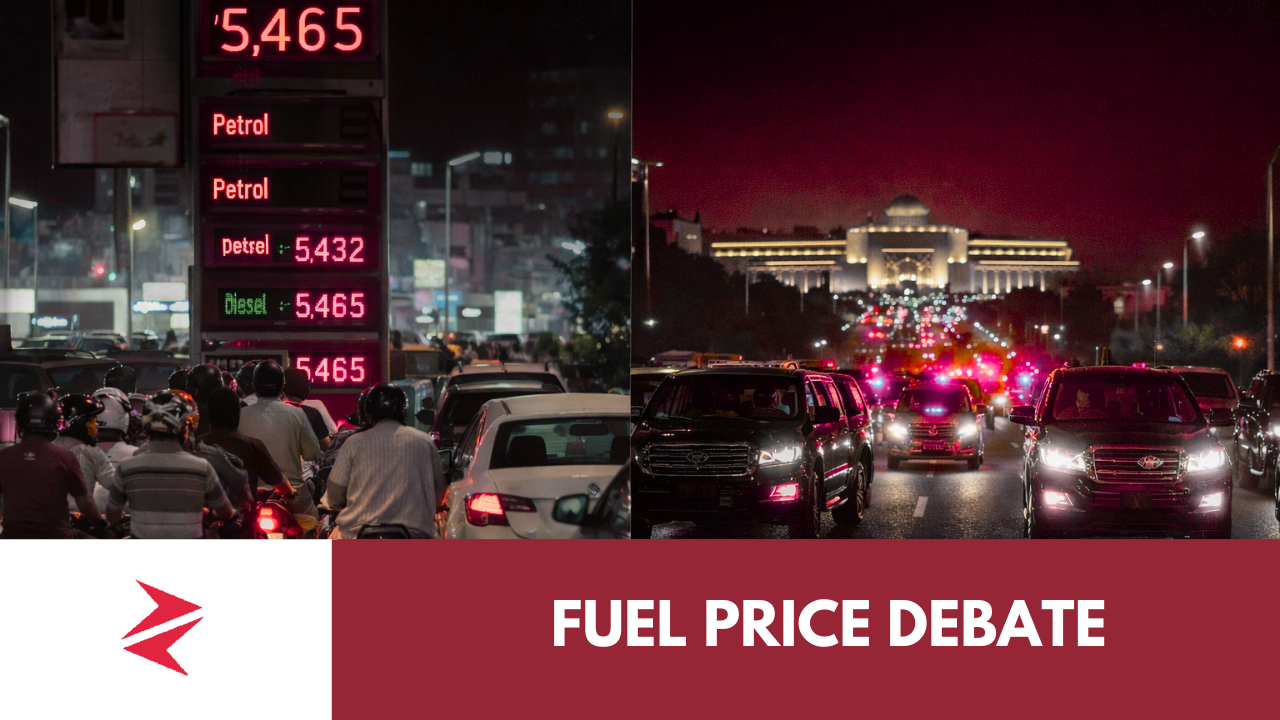
The comparison illustrates why critics argue that such measures are largely symbolic gestures rather than structural fiscal reforms.
Why Fuel Prices Still Matter
Despite criticism of government spending, fuel pricing remains a sensitive policy challenge.


Pakistan imports most of its petroleum products, meaning international price shocks immediately affect the country’s current account balance and foreign exchange reserves.
Sudden supply shortages could paralyze transport, agriculture, and industry.
This is why governments often prioritize supply stability over political popularity when adjusting fuel prices.