


































The Colonial Legacy of Pakistan’s Bureaucratic System
To understand why these issues persist, one must examine Pakistan’s administrative structure.
Pakistan’s civil service system was inherited directly from the British colonial administration. The purpose of that system was not democratic governance but administrative control over a vast population. Colonial officers were granted extensive privileges—including large residences, staff, transport, and security—to reinforce authority and maintain loyalty.
After independence in 1947, much of this structure remained intact. Over decades, perks such as official residences, government vehicles, fuel allowances, and protocol security convoys became institutionalized as part of the state’s administrative culture.
Today these privileges remain deeply embedded within Pakistan’s governance framework.
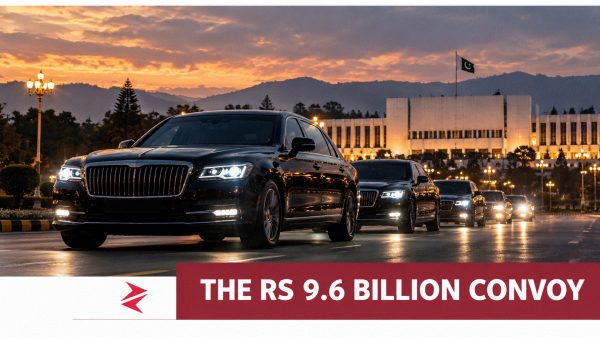
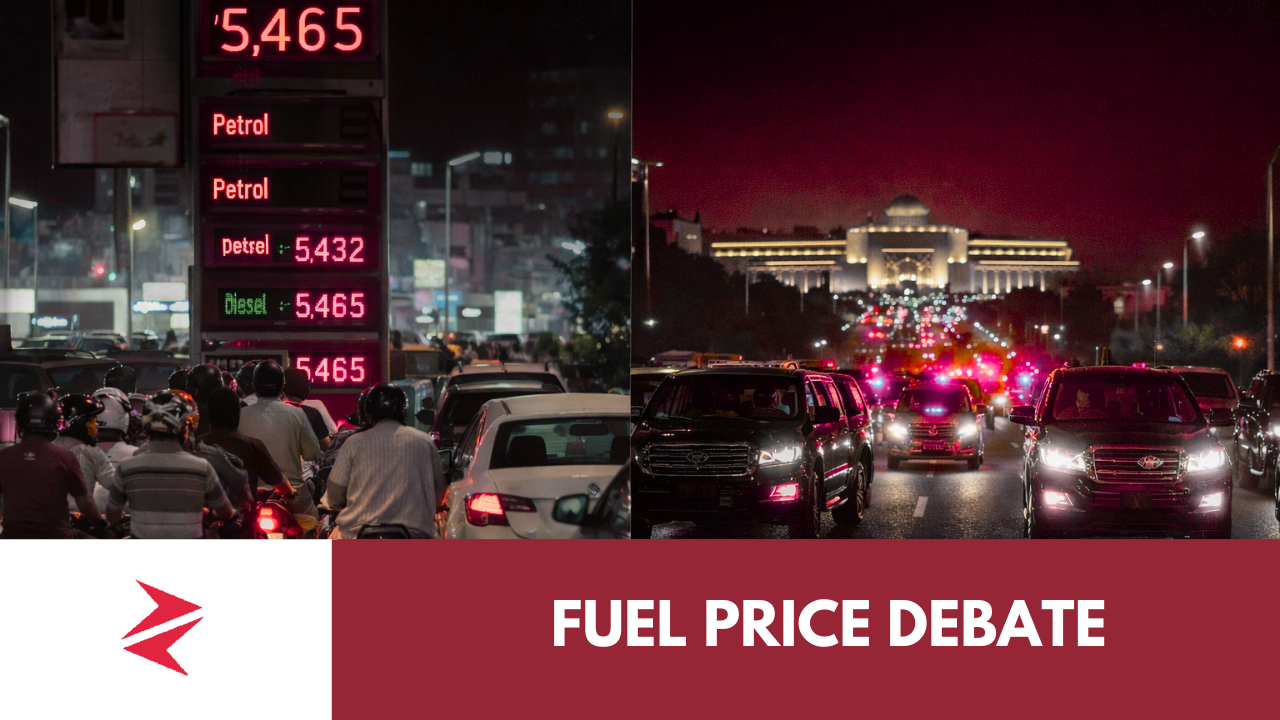
Critics argue that the continuation of these colonial-era perks in a modern developing economy creates a disconnect between the ruling elite and ordinary citizens. When motorcyclists pay record prices for petrol, while convoys of government SUVs move through Islamabad with unrestricted fuel budgets, the optics alone undermine public trust.
VIP Protocol — A Colonial Legacy
Pakistan’s administrative privileges originate from the colonial bureaucratic system inherited from British India.
Under that system, senior administrators were provided with:
-
Official residences
-
Transport vehicles
-
Fuel allowances
-
Security staff
-
protocol convoys
While the system originally existed to maintain colonial authority, many of these perks continued after independence and expanded within Pakistan’s governance culture.
Critics argue that these privileges now create a disconnect between government elites and the public, especially during economic crises.
Elite Privileges — The Bigger Fiscal Picture
The issue extends beyond government vehicles.


According to the Pakistan National Human Development Report 2020 by the United Nations Development Programme, the value of privileges granted to powerful economic groups reaches approximately:
| Category | Estimated Value |
|---|---|
| Subsidies and tax exemptions | PKR 2,660 billion |
| Share of GDP | ~8% |
These privileges include tax breaks, subsidies, preferential policies, and regulatory advantages granted to various powerful economic groups.
Some analysts adjusting for inflation estimate that the value of these privileges may now exceed PKR 4–5 trillion annually.