

















VIP Protocol — A Colonial Legacy
Pakistan’s administrative privileges originate from the colonial bureaucratic system inherited from British India.
Under that system, senior administrators were provided with:
-
Official residences
-
Transport vehicles
-
Fuel allowances
-
Security staff
-
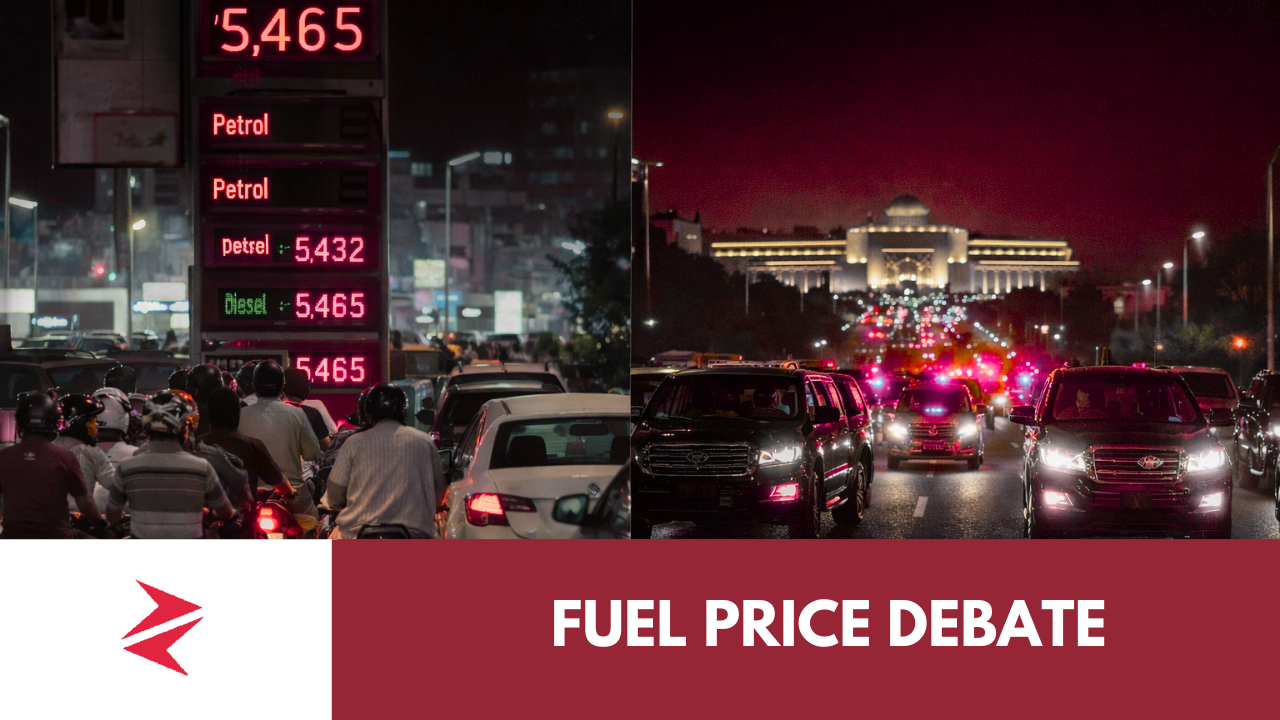
protocol convoys
While the system originally existed to maintain colonial authority, many of these perks continued after independence and expanded within Pakistan’s governance culture.
Critics argue that these privileges now create a disconnect between government elites and the public, especially during economic crises.
Elite Privileges — The Bigger Fiscal Picture
The issue extends beyond government vehicles.
According to the Pakistan National Human Development Report 2020 by the United Nations Development Programme, the value of privileges granted to powerful economic groups reaches approximately:
| Category | Estimated Value |
|---|---|
| Subsidies and tax exemptions | PKR 2,660 billion |
| Share of GDP | ~8% |
These privileges include tax breaks, subsidies, preferential policies, and regulatory advantages granted to various powerful economic groups.
Some analysts adjusting for inflation estimate that the value of these privileges may now exceed PKR 4–5 trillion annually.
Why Symbolic Austerity Rarely Works
Governments under fiscal pressure often resort to symbolic austerity measures.
Closing schools temporarily to reduce transport fuel consumption, encouraging work-from-home policies, or asking ministers to forgo salaries are gestures intended to signal shared sacrifice. But historically such measures rarely deliver meaningful macroeconomic impact.

Pakistan’s energy consumption patterns illustrate why.
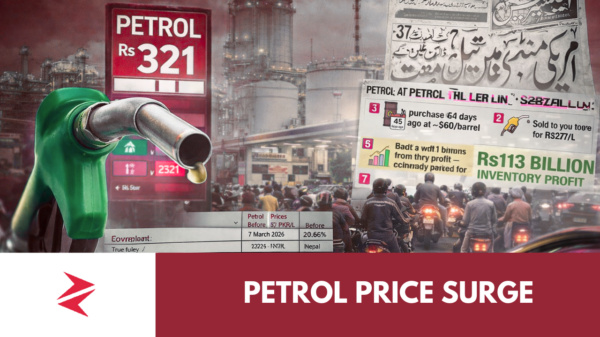
Petroleum products in Pakistan are used primarily in transportation and electricity generation. Industrial production, logistics, and agriculture depend heavily on diesel. Any attempt to reduce consumption without addressing underlying structural inefficiencies simply shifts the burden from one sector to another.
This is why many economists argue that Pakistan’s real economic reform agenda should focus not on temporary austerity but on systemic governance reforms.