








The Structural Reform Debate
Economists increasingly argue that Pakistan’s long-term stability depends not on periodic austerity but on deeper institutional reform.
Key proposals include:
-
Digital CNIC-linked tax tracking
-
Simplified tax system
-
export-led industrial policy
-
reduced bureaucratic discretion
-
predictable energy pricing
Such reforms aim to expand Pakistan’s tax base and reduce the fiscal pressure that repeatedly leads to fuel price increases.
The Road to Pakistan at 100
Pakistan will celebrate 100 years of independence in 2047.
The question facing policymakers today is simple: what kind of country should Pakistan become by that milestone?
If Pakistan continues to rely on temporary policy reactions—fuel price adjustments, short-term subsidies, and symbolic austerity—it will remain trapped in a cycle of fiscal crises.
But if the country embraces long-term institutional reform, strengthens governance, and aligns economic policy with productivity and exports, Pakistan possesses the natural resources, geographic advantages, and human capital to become one of the leading emerging economies of the world.
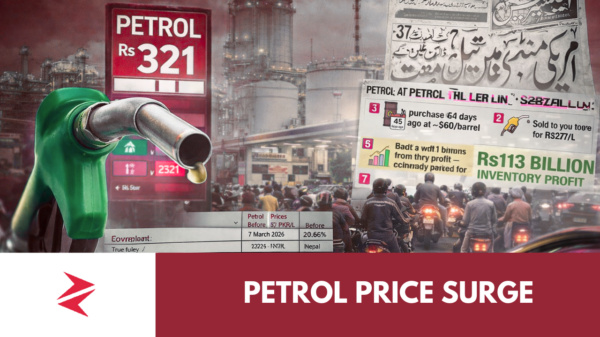
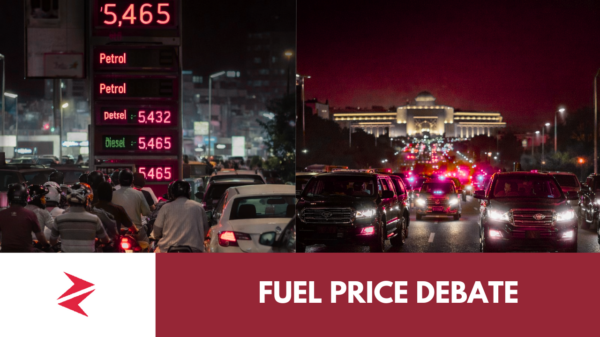
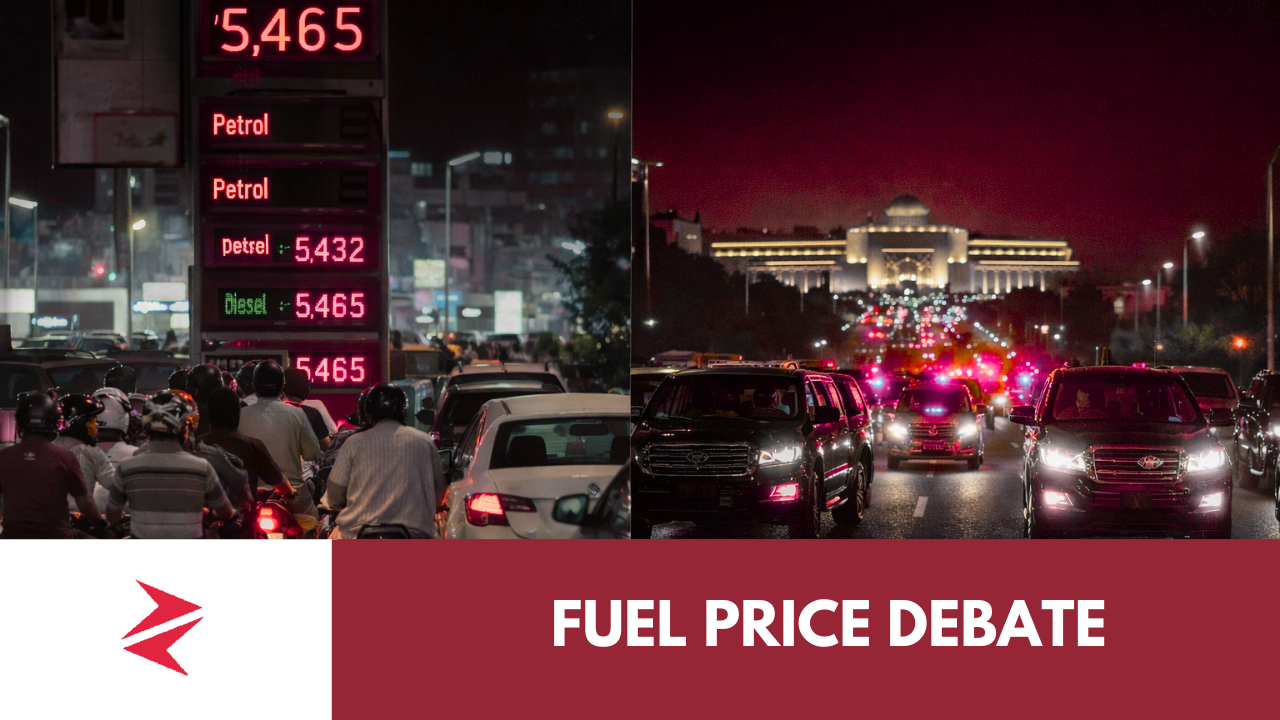
The debate sparked by fuel prices is therefore not merely about petrol.
It is about governance, accountability, and the future direction of the Pakistani state.
And until those deeper questions are addressed, every price hike at the petrol pump will continue to ignite the same national argument.

The Core Question
Fuel prices will always fluctuate in a country that imports most of its energy.
The real issue is whether Pakistan’s governance system distributes economic pain fairly.
Until that question is addressed, every increase in petrol prices will trigger the same national debate about protocol, privilege, and power.