
























-
The fixture is abandoned or forfeited under existing rules
-
Points are allocated accordingly
-
The tournament proceeds
No expulsions. No bans. No invented punishments.
This has precedent. Repeatedly. Across boards. Across administrations. Across continents.
The ICC’s discomfort is not regulatory—it is commercial. And that is where the real cost lies.
The Cost No One Wants to Name
India vs Pakistan is not just a cricket match. It is the financial spine of ICC tournaments. Broadcast rights, advertising rates, sponsorship valuations—all orbit that fixture.
By formalizing non-participation, Pakistan converts an informal impasse into a documented state position. That has consequences, but not the melodramatic ones being screamed online.
The cost is slower, quieter, and longer-term:
-
diminished leverage in committee rooms
-
less flexibility in hosting negotiations
-
strained broadcaster relations
These are not punishments. They are trade-offs.
And trade-offs are the currency of sovereign decision-making.
What This Is Really About
Strip away the profanity, the chest-thumping, and the algorithm-bait, and one truth remains:
This is not about cricketing bravery or cowardice. It is about who bears responsibility when sport intersects with state policy.

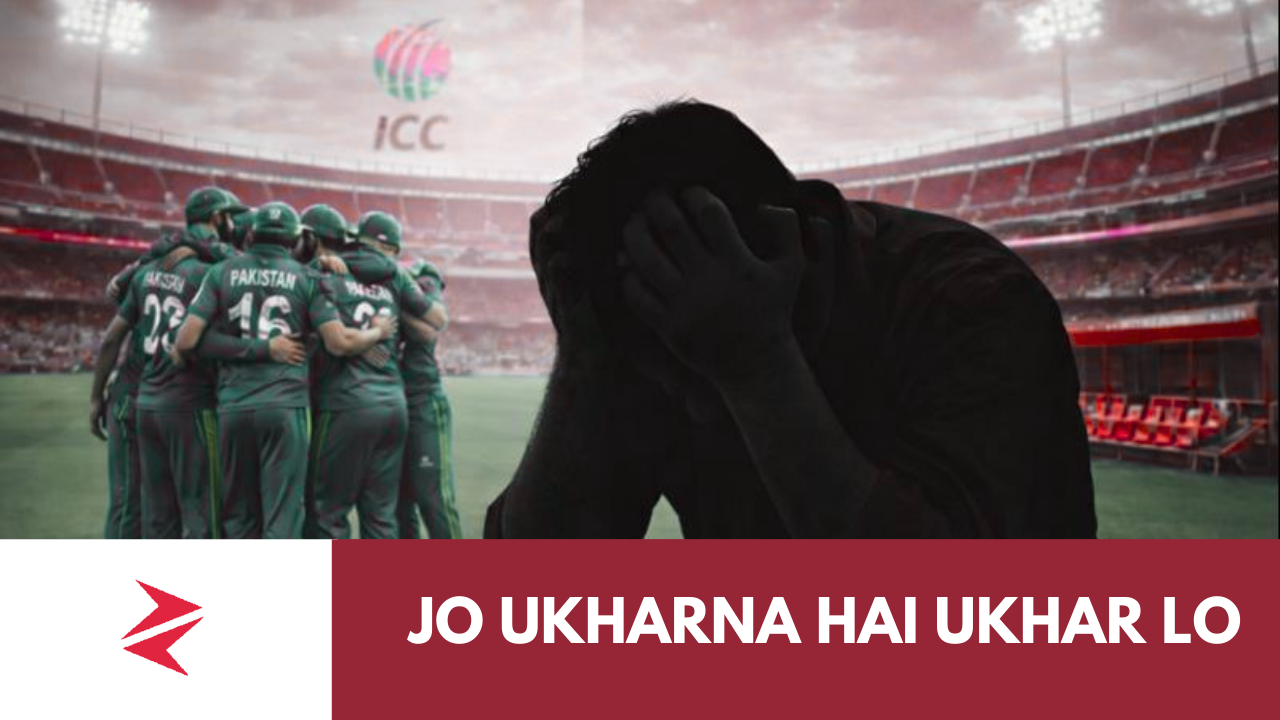
Pakistan chose to own the decision. Publicly. On record. Without laundering it through the PCB or hiding behind ambiguity.
You can disagree with that choice. Reasonable people can. But pretending it is unprecedented, illegal, or uniquely disgraceful is intellectually dishonest.
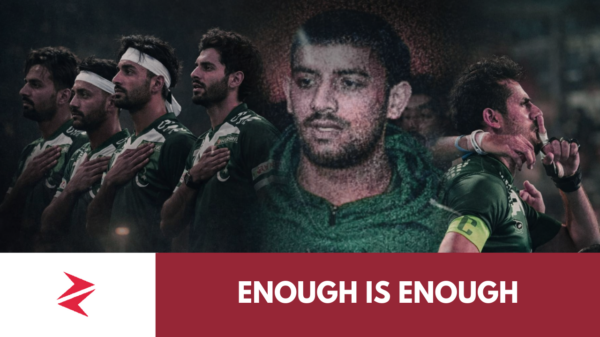
And abusing your own players to process geopolitical frustration is not patriotism. It is confusion.
