























What Nobody Is Telling Pakistan
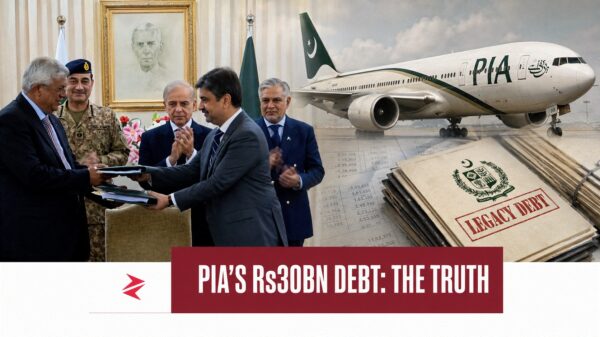
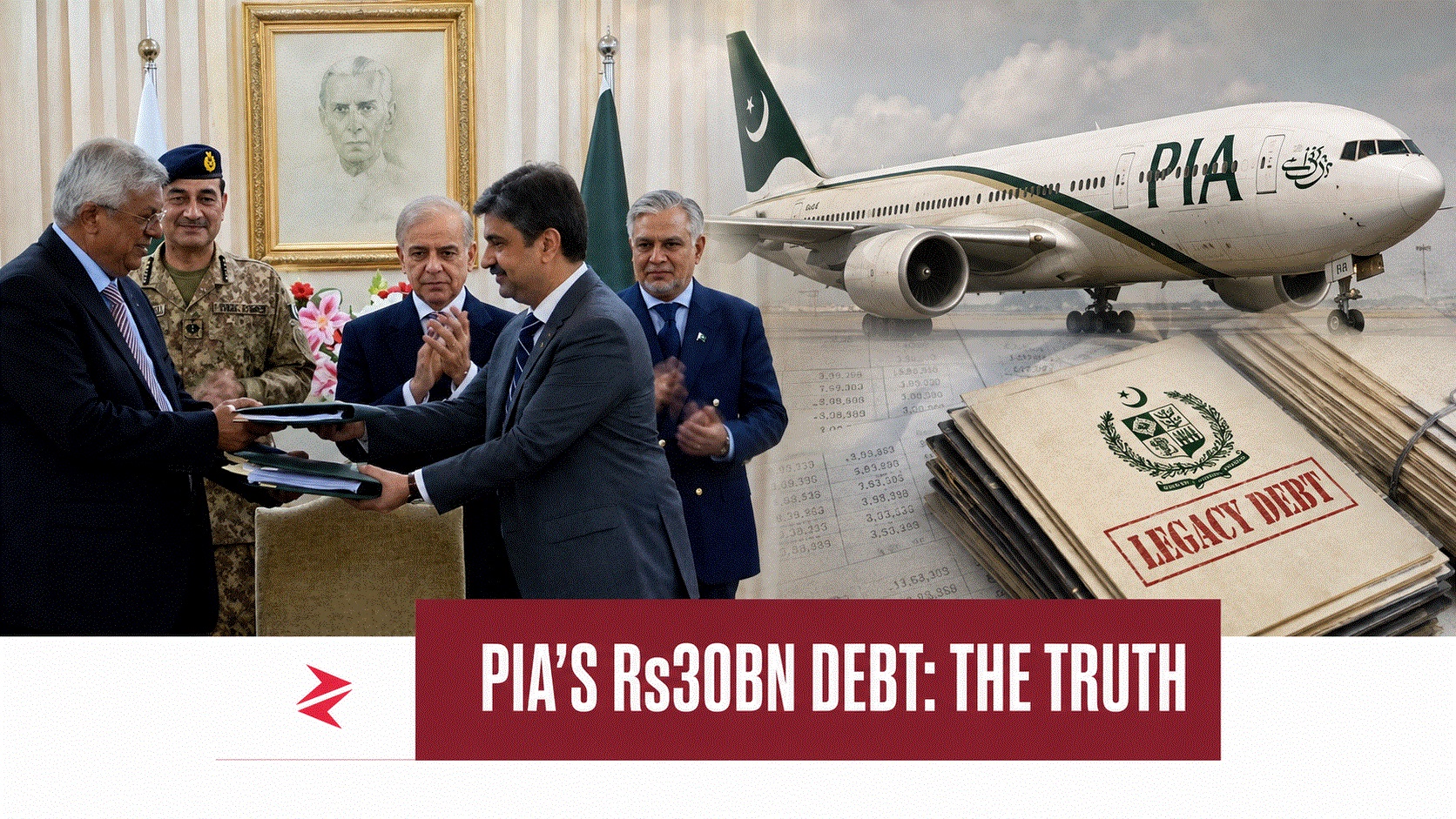
The private consortium received a cleaner operating company, which plainly benefited the buyer. Banks received a government-supported route toward recovering legacy lending, which reduced their risk. The government obtained sale proceeds, fresh private capital and the possibility of ending recurring operating losses. Taxpayers retained historical liabilities while gaining only the possibility—not the guarantee—that privatisation will prevent even larger future losses.
That is the bargain. It is neither the cartoon robbery described by partisan accounts nor the flawless reform advertised by official publicity.
The decisive test is whether PIA Holding Company’s assets can retire its liabilities while the private airline remains commercially self-sustaining. If the holding company keeps borrowing from the Finance Ministry merely to service interest, if its assets are sold without transparent valuations, or if the operating airline returns for company-specific rescues, then Pakistan will have socialised the downside without securing sufficient public benefit. If the debt declines, retained assets are monetised transparently, private equity is injected as promised, the fleet expands and future operating losses stop reaching the budget, the restructuring will have achieved its purpose.
Frequently Asked Questions
Are taxpayers paying Rs30 billion because PIA was privatised?
They are paying approximately Rs30 billion in interest because the state retained PIA’s pre-privatisation commercial debt. The payment follows the restructuring used to make the operating airline saleable, but it is not debt created by the buyer.
Is Rs30 billion being paid directly to PIA’s private owners?
No evidence presented in the cited reporting supports that claim. The amount is described as interest support or a loan to the government-owned PIA Holding Company.