
World Affairs
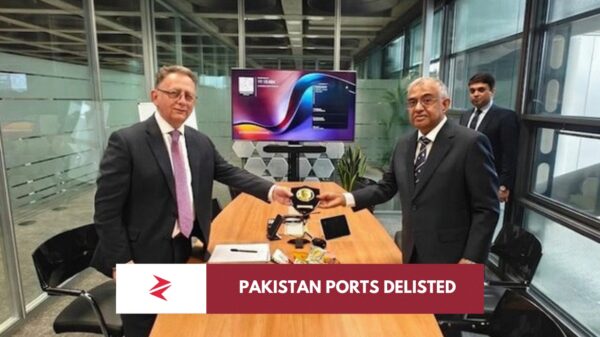
Pakistan’s removal from Lloyd’s war-risk list could cut shipping costs, strengthen exports, and reset confidence in Karachi, Port Qasim and Gwadar ports.
Hi, what are you looking for?

Pakistan Removed from Lloyd’s War-Risk List After 25 Years: A Maritime Win That Must Now Become an Export Win
Deutsche Welle’s Pakistan Nuclear Documentary Begins With a Verdict and Edits the Country to Fit It
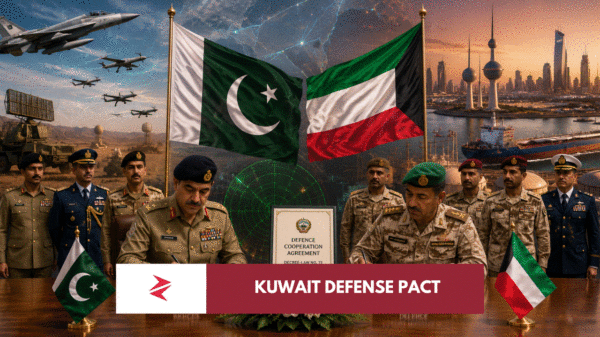
Kuwait Ratifies Defence Pact with Pakistan, but Islamabad Must Stop Treating Strategic Relevance as Charity

The Haaland Quote Was Fake. Norway’s Palestine Stand Was Not — and That Makes the FIFA Double Standard Harder to Ignore
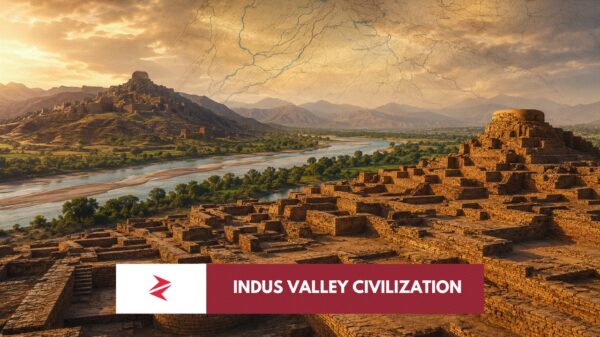
Taxila, Chanakya, and the Indus: Pakistan Did Not Begin in 1947
Pakistan’s $10 Billion US Backstop Is Not Begging—and SBP’s $22.68 Billion Reserve Figure Does Not Make Reuters Fake
Is Crypto Haram in Islam? Mufti Taqi Usmani’s Fatwa, Bitcoin, USDT and the Real Shariah Debate
Pakistan’s Loralai Olive Oil Gold Is Not a Side Story. It Is an Export Warning Shot.

Rafhan Maize and Nishat Group: Why Pakistan’s Most Important Acquisition May Not Be About the Purchase Price
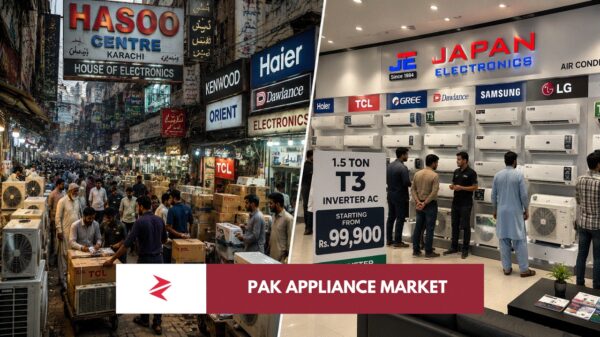
Pakistan Is One Country, But Not One AC Market: What Karachi and Lahore Dealers Teach About Disruption

Best 16kWh Lithium Battery in Pakistan 2026: SES Power IP54 vs Dyness, Pylontech Fidus, Soluna, KNOX and Sunwoda

AI-Personalized Financial Reporting: Same Facts, Different Audience, Better Decisions
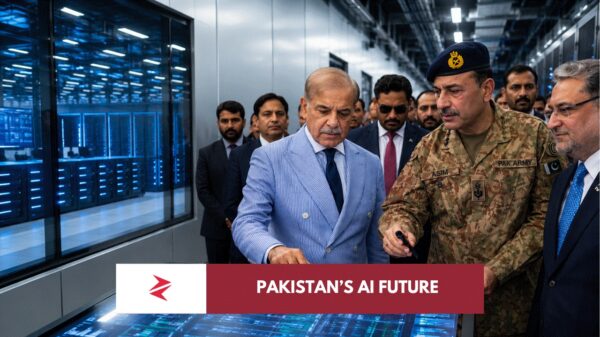
Sky47 Is Not Pakistan’s AI Victory Yet — It Is the Infrastructure Test We Can No Longer Fake

Innovation in Analytics Products in 2026: Why Another Dashboard Is Not Innovation
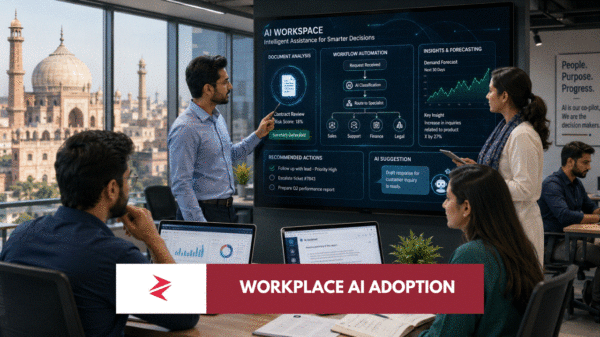
Workplace Artificial Intelligence: The Machine Is Not Taking Your Job—But the Person Using It Might
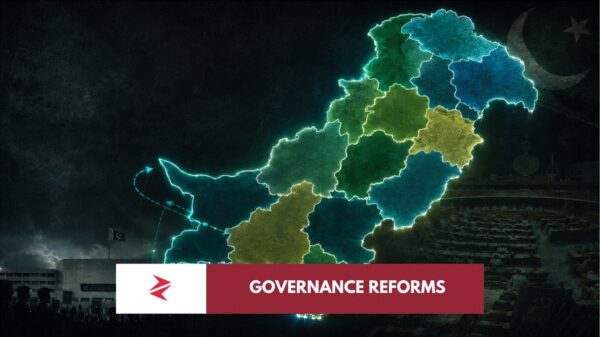
Pakistan’s System Has Collapsed—But More Provinces Could Simply Create More Thrones
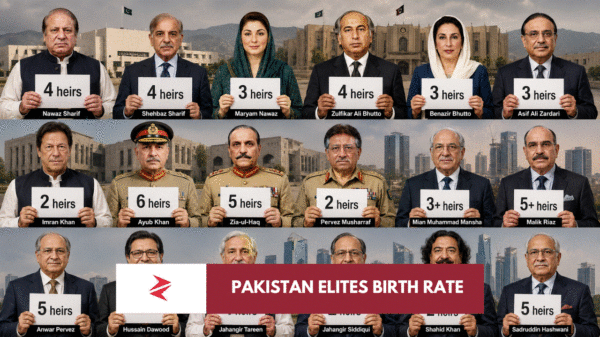
Pakistan’s Elite Families: How Many Children Do Political Leaders, Generals and Business Tycoons Have?
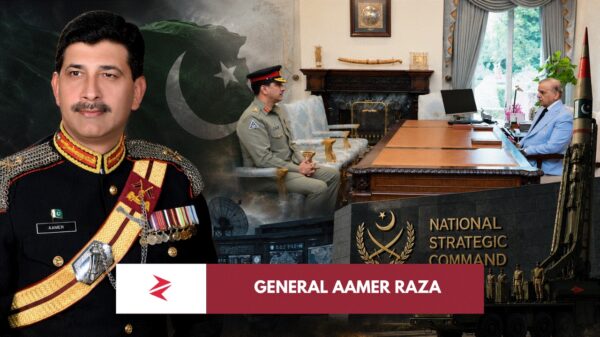
General Aamer Raza’s Four-Star Promotion: The Merit Claim, the Seniority Problem and the Smear Campaign Pakistan Must Reject
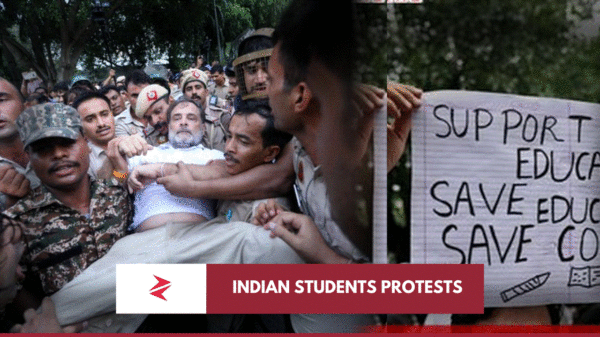
The democracy that lectured Pakistan could not tolerate students asking for a fair exam
If Pakistan Strikes India’s Dams, Will It Flood Pakistan? The Hydrology ANI’s Water-War Narrative Leaves Out

The Muslim Players Who Defined the 2026 FIFA World Cup: A Data-Driven EEAT Review

England Finish Third, But Fifa World Cup Muslim Stars Continue to Shape the World Cup Story
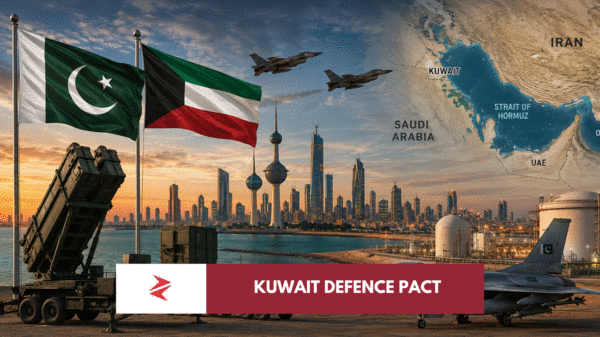
Pakistan–Kuwait Defence Pact: A Strategic Opportunity Pakistan Cannot Afford to Mishandle
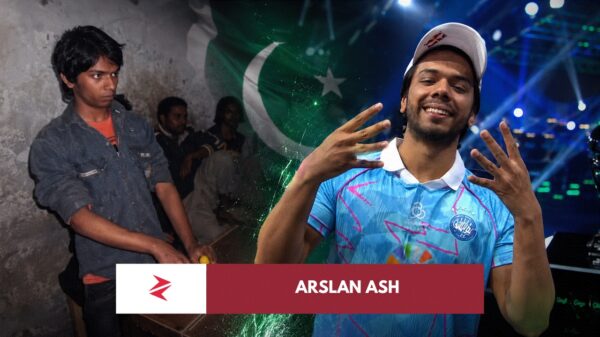
Arslan Ash’s Eighth EVO Title Is Pakistan’s Triumph—and Its Esports Indictment

The Muslim World Cup Story Is Not Over — But I Was Wrong About England

OPEC: Saudi-UAE Gulf oil infrastructure tension

Pakistan’s Diesel Pricing Crisis: Refined Locally, Priced Like Imports — Who Is Really Paying?
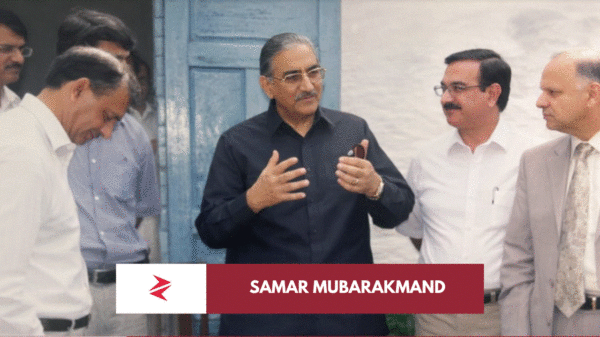
Dr Samarmubarak Mand The Convenient Villain: How Profit.pk Frames the Story
Civilization’s Invisible Backbone: Why the World Still Runs on Oil
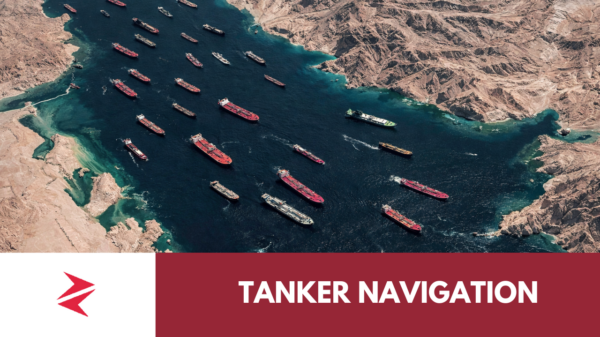
The Strait of Hormuz Is Not Closed. It Is Becoming Uninsurable.
The Infographic vs. The Presentation

Instagram Direct Message Networking in 2026: How Businesses Turn Private Conversations Into Trust, Leads and Sales

Inside Sales Strategy in 2026: Stop Copying Competitors and Start Reading Buyer Signals

Right Attitude Drives Success—but Not the Way Motivational Posters Claim
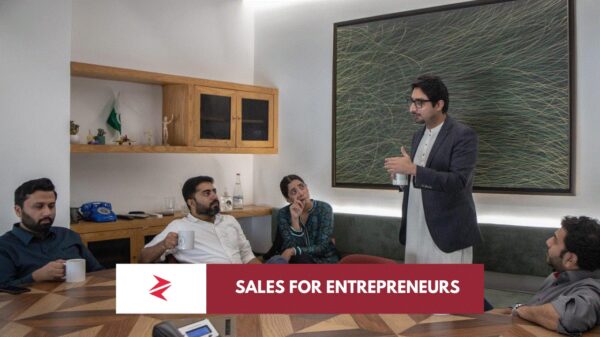
Sales Skills for Success in 2026: Why Brilliant Ideas Still Fail When Founders Cannot Sell
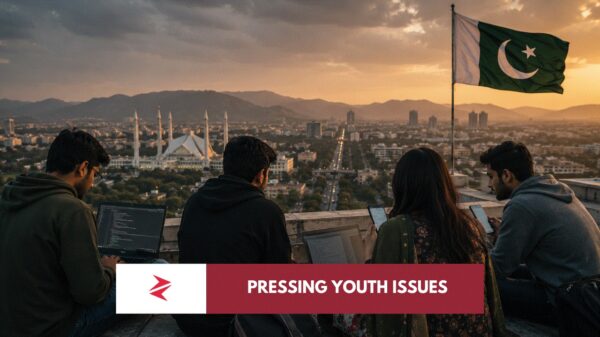
Why Pakistan Has No “Cockroach Moment”: Its Youth Are Not Silent, Just Battle-Hardened
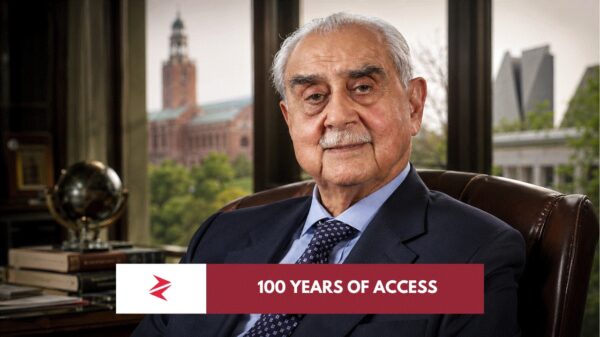
Syed Babar Ali at 100: The Pakistani Elite Who Understood That Power Means Little Unless You Build Something That Survives You
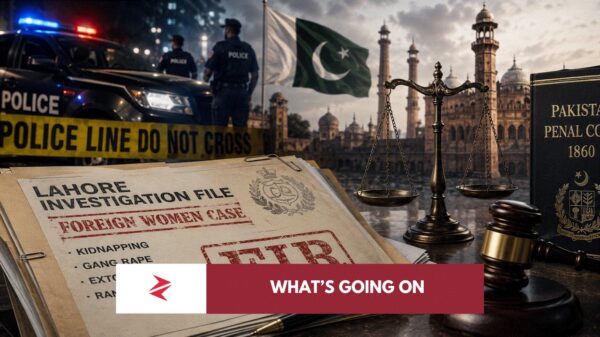
Controversy involving a Dutch woman in Pakistan: coincidence, conspiracy, or political pressure?
Ashura, Karbala, Muawiyah and the Ahl al-Bayt: A Difficult Truth Beyond Sectarian Noise
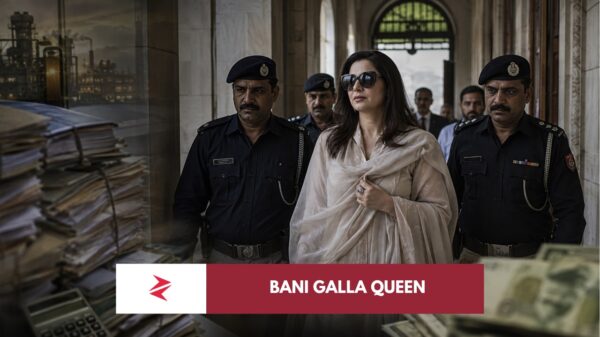
The Problem Is Not Pinky Alone. The Problem Is the Walk.
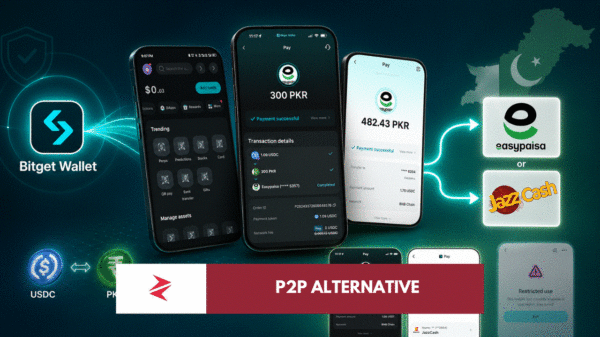
Bitget Wallet to Easypaisa and JazzCash in Pakistan: Real Crypto Off-Ramp or Limited Rollout?

PIA’s Dark-Green Dreamliner Looks Magnificent—But Pakistan’s Aviation Revival Cannot Be Painted on a Fuselage
Why Pakistan Has No “Cockroach Moment”: Its Youth Are Not Silent, Just Battle-Hardened
Syed Babar Ali at 100: The Pakistani Elite Who Understood That Power Means Little Unless You Build Something That Survives You
Controversy involving a Dutch woman in Pakistan: coincidence, conspiracy, or political pressure?
Pakistan’s removal from Lloyd’s war-risk list could cut shipping costs, strengthen exports, and reset confidence in Karachi, Port Qasim and Gwadar ports.

Pakistan’s youth are not silent; history, repression, fractured organising and digital survival explain why the streets look quieter today.
Deutsche Welle’s Pakistan nuclear documentary substitutes ominous editing for evidence while ignoring safeguards, legal context and India’s record.
Kuwait’s ratification of its Pakistan defence pact expands military cooperation, but Islamabad must convert strategic relevance into public benefit.

General Aamer Raza’s four-star promotion raises real questions on seniority, strategic experience, transparency and Pakistan’s toxic online smear culture.

Pakistan’s $10bn U.S. backstop request is not a reserve-collapse story. SBP data shows $22.68bn liquid reserves, but the real issue is reform and sovereignty.

India calls itself the mother of democracy, yet NEET protests, police force and detentions expose hypocrisy behind its anti-Pakistan propaganda machine.
Pakistan-Kuwait defence talks could reshape Gulf security and Pakistan’s energy future, but only if Islamabad avoids becoming a hired shield for others.
Would striking Indian dams flood Pakistan? A fact-checked Indus Waters Treaty analysis separating hydrology, law, propaganda and Pakistan’s real risks.
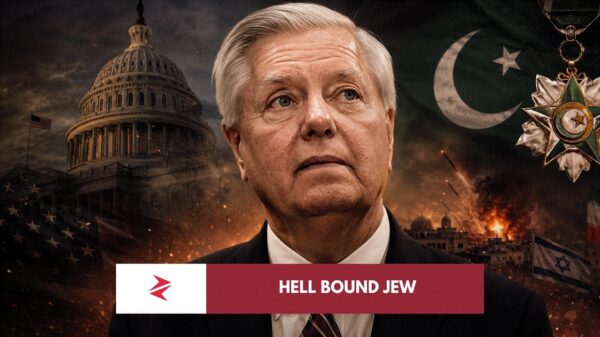

Pakistan once honoured Lindsey Graham with Hilal-i-Quaid-i-Azam. By 2026, he said he did not trust Pakistan. His death reopens an uncomfortable record.

Muslim players remain alive in the FIFA World Cup 2026 semi-finals. France, Spain and England reshape the odds of a Muslim reaching the final.
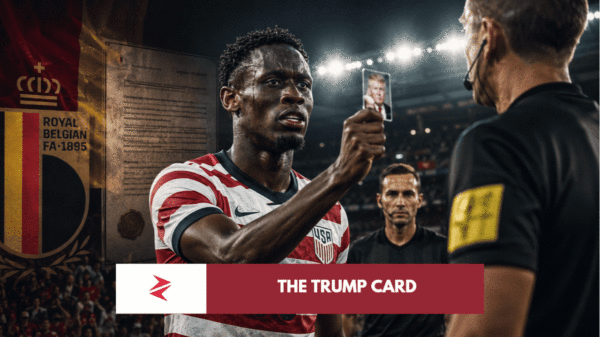

FIFA’s Balogun red-card U-turn exposes rule flexibility, Belgium’s protest, and why world football now fears BCCI-style power capture over fairness today.
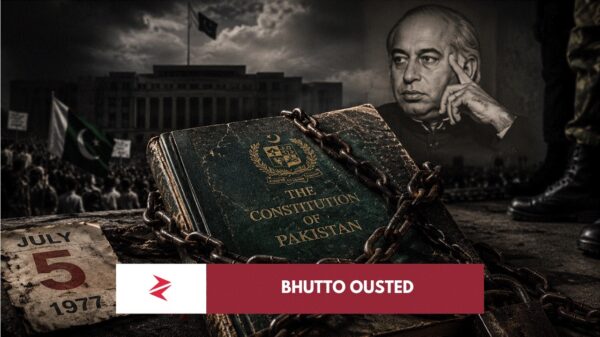
5 July 1977 martial law reshaped Pakistan by suspending democracy, weakening civilian rule, empowering coercion, and haunting politics even in 2026 still.
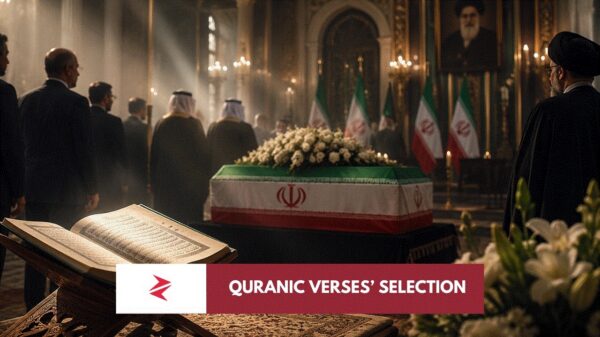

Iran’s Quran recitations at Khamenei’s funeral triggered a diplomatic storm, but Pakistan’s verse revealed strategic respect, not insult or political mockery.
Pakistan’s Indus heritage is geography, archaeology, and lived continuity—not a 1947 accident, not borrowed history, and not Akhand Bharat cosplay today.
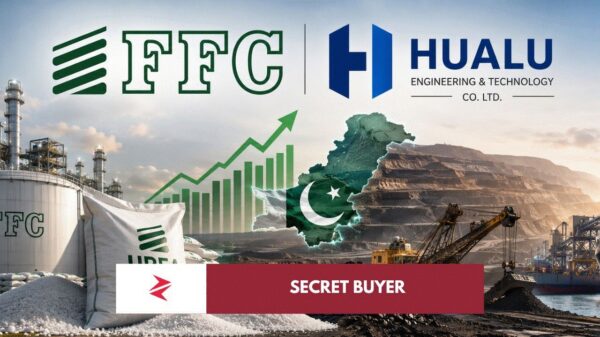

FFC’s insider buying, Thar coal-to-urea project and May 2026 fertilizer data show Pakistan’s next industrial export-capacity be
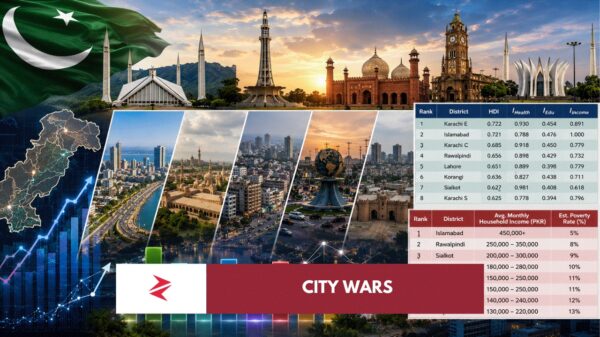

Pakistan's viral city ranking collapses under scrutiny. HDI, income, poverty, governance and infrastructure data tell a far more complex story.
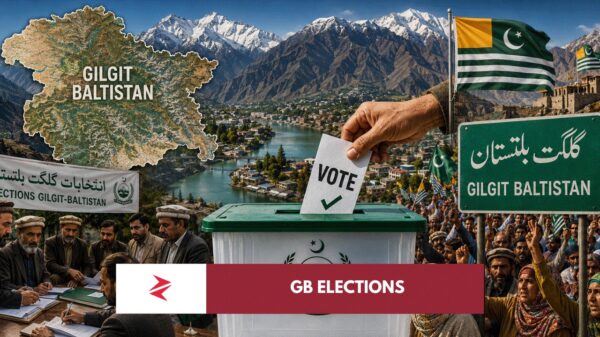
India’s protest over Gilgit-Baltistan elections exposes its Kashmir contradiction: Pakistan holds polls while Delhi fears self-determination.
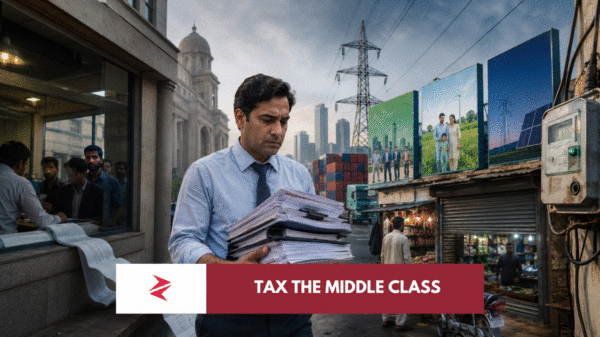

PML-N promised inclusive growth, cheaper power, jobs and fairer taxation; FY25 shows stabilization, but salaried Pakistan paid the bill.
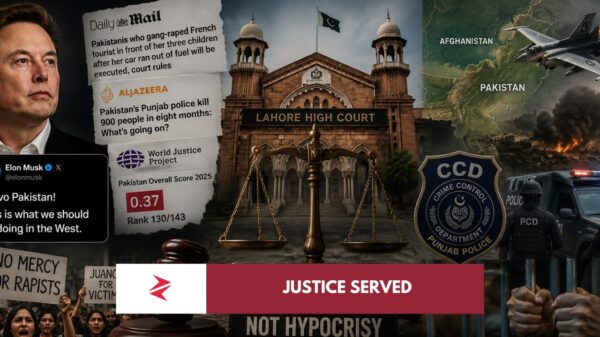

Elon Musk’s Pakistan praise exposed a Western media trap: justice for motorway rape convicts, Daily Mail errors, Punjab CCD debate, and rule of law...
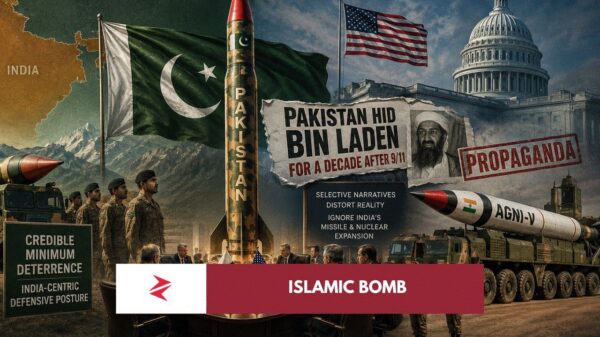
Pakistan’s missile program is India-centric and defensive; Washington’s shifting language exposes how selective threat narratives distort South Asia.

When elites walk softly through court corridors while ordinary Pakistanis face humiliation, the real case is not one suspect. It is the system.
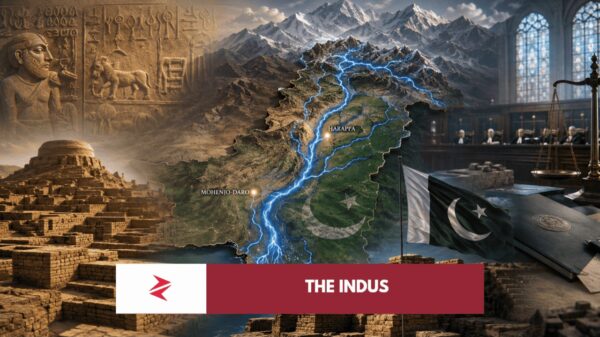
Pakistan’s Indus claim is geography, treaty law, Kashmir dispute, and survival: India cannot weaponize rivers Pakistan lives on.
The presence of Pakistani Tiktokers (because of freedom for Prostitution and running of digital agencies for Bigo, and other viral engagement farming/gifting platforms) is...
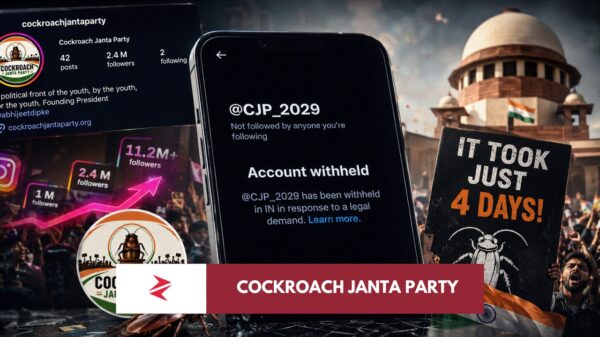

Cockroach Janta Party’s explosive rise shows how India’s youth turned insult into digital revolt, while legal takedowns exposed insecurity.
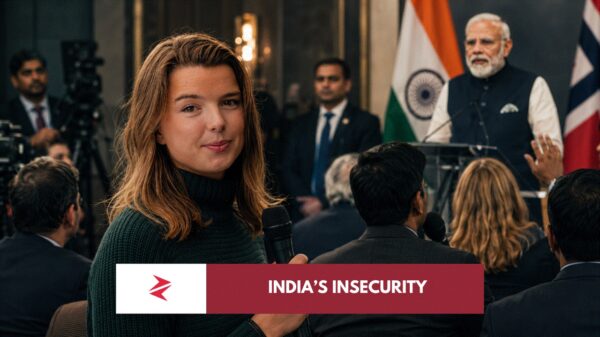

Norway’s press question exposed India’s insecurity: Modi avoided scrutiny, then nationalist outrage targeted the journalist instead of answering.
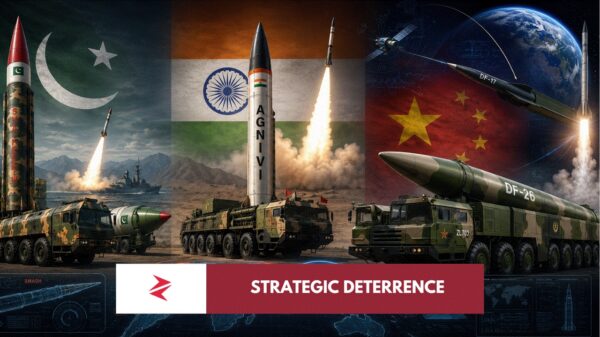
A deep strategic breakdown of Pakistan, India, and China’s missile ecosystems covering Agni-6, hypersonics, SMASH, ICBMs, SLVs, and the future of Asian deterrence.
UAE’s OPEC exit is not just oil math; it is Gulf power politics, Saudi pressure, Pakistan’s debt lesson, and a warning for importers.
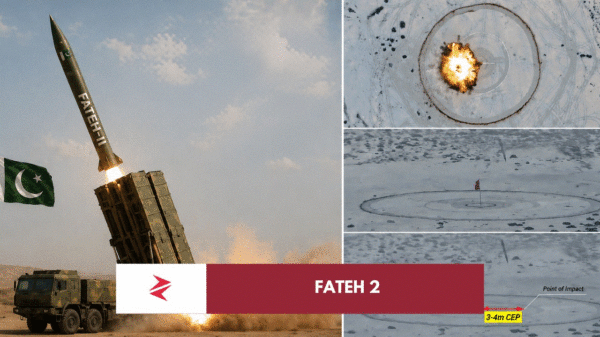
Pakistan’s Fateh-II missile test signals more than a routine launch—it demonstrates credible precision-strike capability with sub-10m CEP and strategic battlefield deterrence.
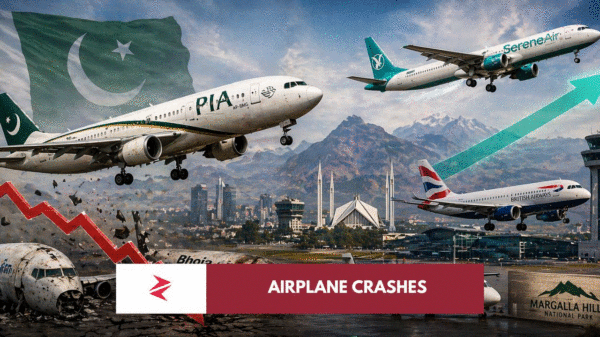

Pakistan’s aviation isn’t failing by accident—it’s being stress-tested by policy, foreign airlines, and internal collapse cycles. Here’s the full picture.