











































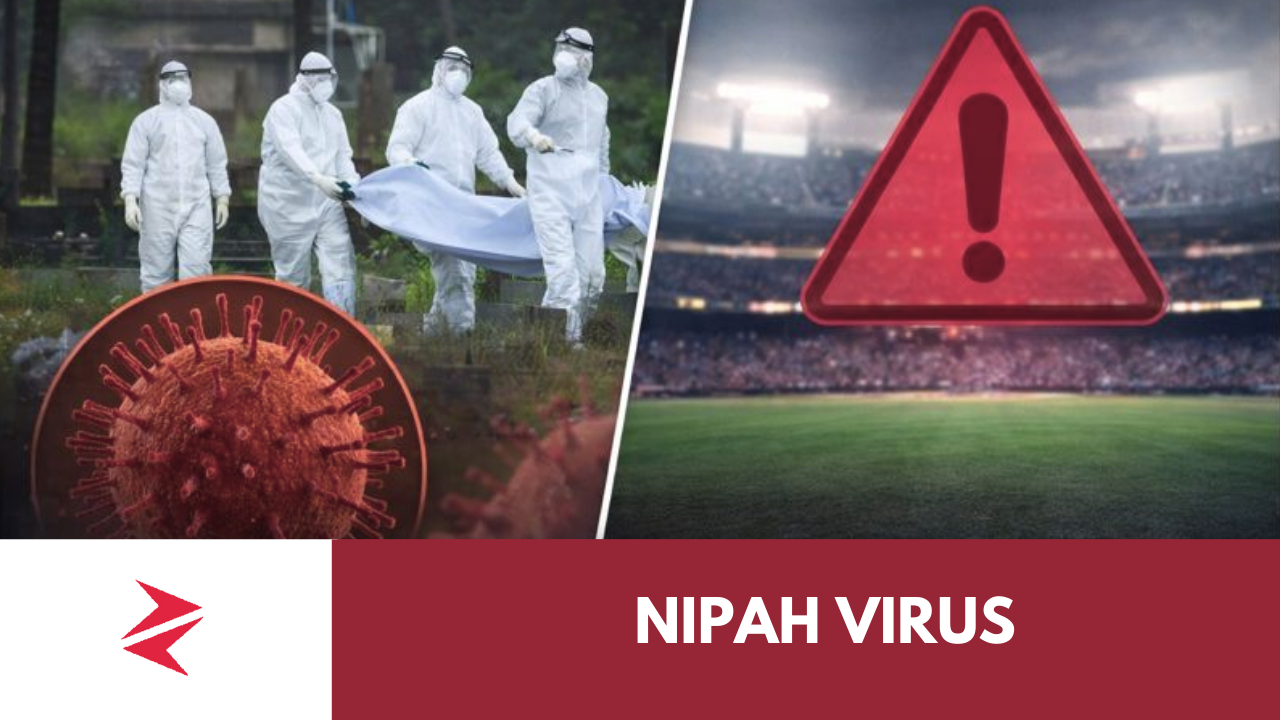
The Current Situation in India: Facts, Not Headlines
As of the latest verified briefings, Nipah cases are localized, not nationwide. The confirmed infections are concentrated in West Bengal, numbering around five confirmed cases, with over a hundred contacts traced and quarantined.
Health authorities have activated containment protocols, including:
-
Immediate isolation of confirmed cases
-
District-level surveillance
-
Contact tracing and quarantine
-
Public advisories without travel bans
There is no declaration of a national health emergency, no WHO travel advisory, and no instruction from Indian health authorities to halt international sporting events.
Claims stating that “Nipah has spread across India” are factually incorrect.
if ( function_exists( 'pgntn_display_pagination' ) ) pgntn_display_pagination( 'multipage' );
