





























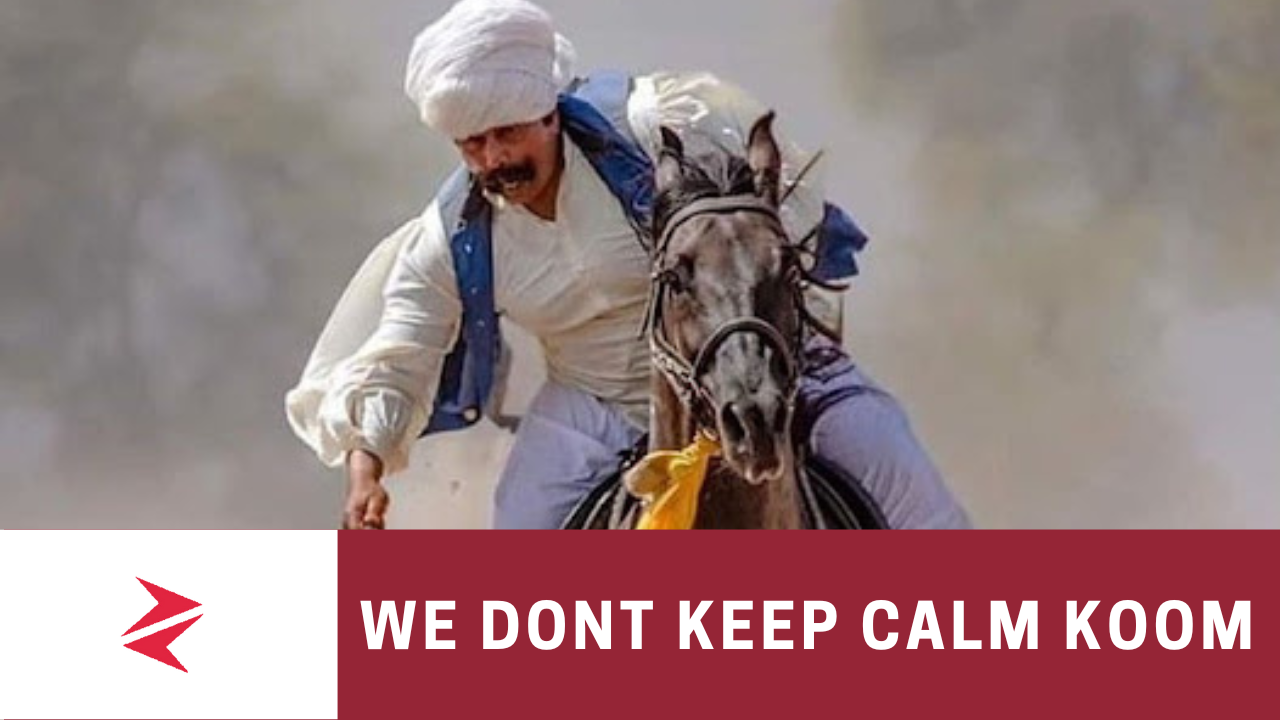
This song is sung in Punjab every Lohdi as children go home to home to collect peanuts, rewdi, gachak etc.
This tomb in Lahore is of Abdullah Bhatti whose folk tales are sung at Lohri in Punjab.
Finally, he was caught treacherously and hanged outside the Lahore kotwali in 1599. Today even after centuries his feats are being celebrated on Lohri by Hindu and Sikh Punjabis of East Punjab, while Muslims of West Punjab, who share his faith, his land his blood have no idea who he was. This couplet of Shah Hussain said on the eve of the martyrdom of Dullah still resonates in the winds of Punjab
کہے حسین فقیر سائیں دا، تخت نہ ملدے منگے
The Daring Son of Pindi Bhattian (Distt Hafizabad, Punjab), Bhatti was the ancestor of 40 gotras in Punjab: Rajput, Gujjar, and Jatt clans. There are many claimants:
Claim: Dulla Bhatti was a Rajput warrior
Abdullah Bhatti Gurjar, a great Rajput, son of the soil who fought with the intruders and foreign invaders. The great hero of Punjab Pindi Bhattian Pakistan. He belonged to the warrior-like Rajput clan of Bhattis.
Claim: Abdullah Bhatti hails from a Jatt clan
There is no such thing called Rajput since Raja’s son or “putt” is called Rajput; it could be anybody. Bhatti is a Rajput and Jat clan name of undivided Punjab too – a title of the Sikh Maharaja of Patiala is Bhatti Kul Gaurav (pride of the Bhatti clan).
Claim: Bhattis are Descendants of Hindu Bhagwan Shri Krishna
They ruled a few Kingdoms in Rajputana, I remember only one right now: it’s Jaisalmer. Recently Maharaja of Jaisalmer died. Now his Son Yuvraj Chaitanya Singh Bhatti became the new Maharaja of Jaisalmer Riyasat.


The Punjab or Punjabi resistance narrative went into oblivion under Muslim rulers for varied reasons and the impression was made that Punjab is immune to resistance. It’s high time we embrace illustrious sons of the soil, regardless of which god they worshiped, rather than foreigners who looted and plundered the land building ridiculous monuments for their dead spouses and even pets.
Disclaimer: I am Mughal by bradari.
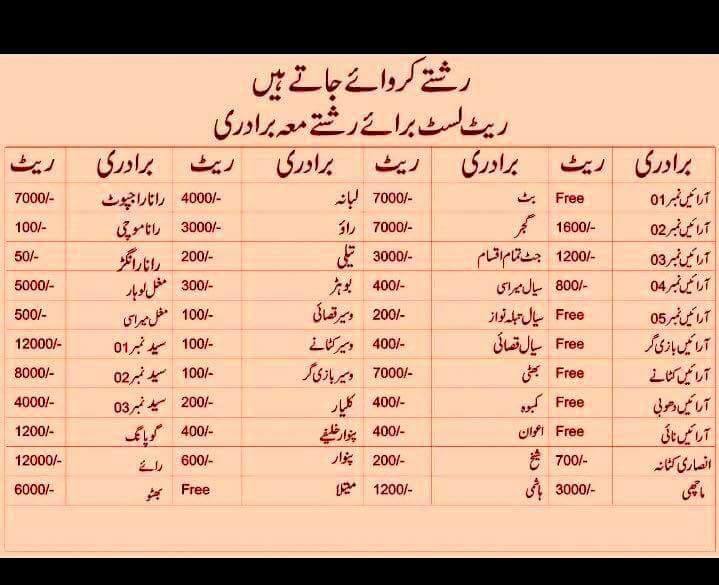

A list of Pakistani Castes (in alphabetic order):
- Abassi
- Abro
- Afridi
- Agha
- Akhundzada
- Alizai
- Alvi
- Ansari
- Arain
- Attari
- Badami
- Baig
- Bajwa
- Bajwana
- Baloch
- Balti
- Bandial
- Bangash
- Baral
- Bari
- Basra
- Basra
- Basra
- Basra
- Batra
- Bettani
- Bhadera
- Bhandara
- Bharwana
- Bhatti
- Bhayo
- Bhittani
- Bhutta
- Bhutto
- Bilour
- Bodla
- Bodla
- Bodla
- Borka
- Bosan
- Bugti
- Bukhari
- Burki
- Butt
- Butt
- Butter
- Buzdar
- Chadhar
- Chadhar
- Chandi
- Channa
- Chaudhary
- Chawala
- Cheema
- Chinoy
- Chinoy
- Chishti
- Chitrali
- Chohan
- Chughtai
- Dagra
- Dahani
- Dar
- Darazi
- Darvesh
- Daudpota
- Daultana
- Dayo
- Dharejo
- Dhudhi
- Dhudyal
- Dogar
- Dudhaal
- Durrani
- Faridi
- Faruqi
- Fatyana
- Gardezi
- Gehlan
- Ghakkar
- Ghauri
- Ghumman
- Ghumman
- Ghuncha
- Ghural
- Ghurmani
- Gill
- Gillani
- Gondal
- Goraya
- Goraya
- Gujjar
- Gurmani
- Hai
- Hanjra
- Hanjra
- Haqqani
- Haraj
- Hashmi
- Hashwani
- Hijazi
- Hilaly
- Hiraj
- Hiraj
- Hotiana
- Jadoon
- Jafri
- Jafri
- Jagirani
- Jamot
- Jan
- Jang
- Janjua
- Jarral
- Jatoi
- Jattala
- Jhagra
- Jhakro
- Jilani
- Joya
- Joya
- Joyia
- Jutt
- Kakakhel
- Kakkar
- Kalasra
- Kalson
- Kamboh
- Kamyana
- Kandahari
- Kanth
- Kapasi
- Kasana
- Kashipuri
- Kasuri
- Kaswani
- Kaswani
- Kazmi
- Khakwani
- Khan
- Khana
- Khani
- Khanzada
- Khar
- Khar
- Kharal
- Kharal
- Khaskheli
- Khattak
- Khattar
- Khawaja
- Khilji
- Khokhar
- Khosa
- Khosa
- Kiani
- Kirmani
- Kisana
- Klasra
- Kohlon
- Koonj
- Kotla
- Kundi
- Laghari
- Lakhani
- Lali
- Lalika
- Langrial
- Lashari
- Lodhi
- Lohar
- Mahay
- Mahdi
- Mahsud
- Maitla
- Maitla
- Majeethia
- Malik
- Maneka
- Mangat
- Manj
- Marri
- Mashwani
- Mastoi
- Mawji
- Mazari
- Mehar
- Mehsar
- Memon
- Memon
- Mengal
- Meo
- Mian
- Mir
- Mirza
- Motla
- Motla
- Mughal
- Mugheri
- Najmi
- Nandla
- Naqvi
- Naseerzai
- Niazi
- Nizami
- Noorani
- Noorzai
- Owaisi
- Pasha
- Peerzada
- Poonja
- Qadri
- Qazi
- Qureshi
- Rabbani
- Rabbani
- Rae
- Rahi
- Raisani
- Raja
- Rajj
- Rajper
- Rajput
- Rana
- Randhawa
- Randhawa
- Ranghar
- Ranjhan
- Ranjhan
- Rao
- Rathi
- Rathodh
- Rathore
- Razi
- Rehmani
- Rind
- Rind
- Rizvi
- Rohra
- Sabri
- Sachal
- Sadozai
- Safi
- Safvi
- Sahi
- Sahi
- Sahibzada
- Salarzai
- Sandhila
- Sanghera
- Sardar
- Satti
- Sehgal
- Sethi
- Shafi
- Shah
- Shamsi
- Sheikh
- Sherazi
- Sherazi
- Shinwari
- Shirwany
- Sial
- Siddique
- Sidhu
- Sodhi
- Sohal
- Sohal
- Solangi
- Soomro
- Subhani
- Sudhraijh
- Sudhranjh
- Sufi
- Sukhera
- Sukhera
- Sulaich
- Sulehria
- Suri
- Swatti
- Syed
- Talpur
- Tanoli
- Tarar
- Tareen
- Teeli
- Tesori
- Tiwana
- Trimizi
- Tumman
- Turi
- Uppal
- Uppal
- Uppal
- Usmani
- Vaid
- Vardaq
- Vehra
- Virk
- Virk
- Vohra
- Wahla
- Waince
- Walana
- Wani
- Warraich
- Warsi
- Waseer
- Wasti
- Wattoo
- Wazeer
- Yazdani
- Yousafzai
- Zaidi
- Zardari
- Zehri
- Zuberi
If your caste is missing, write in comments.