


































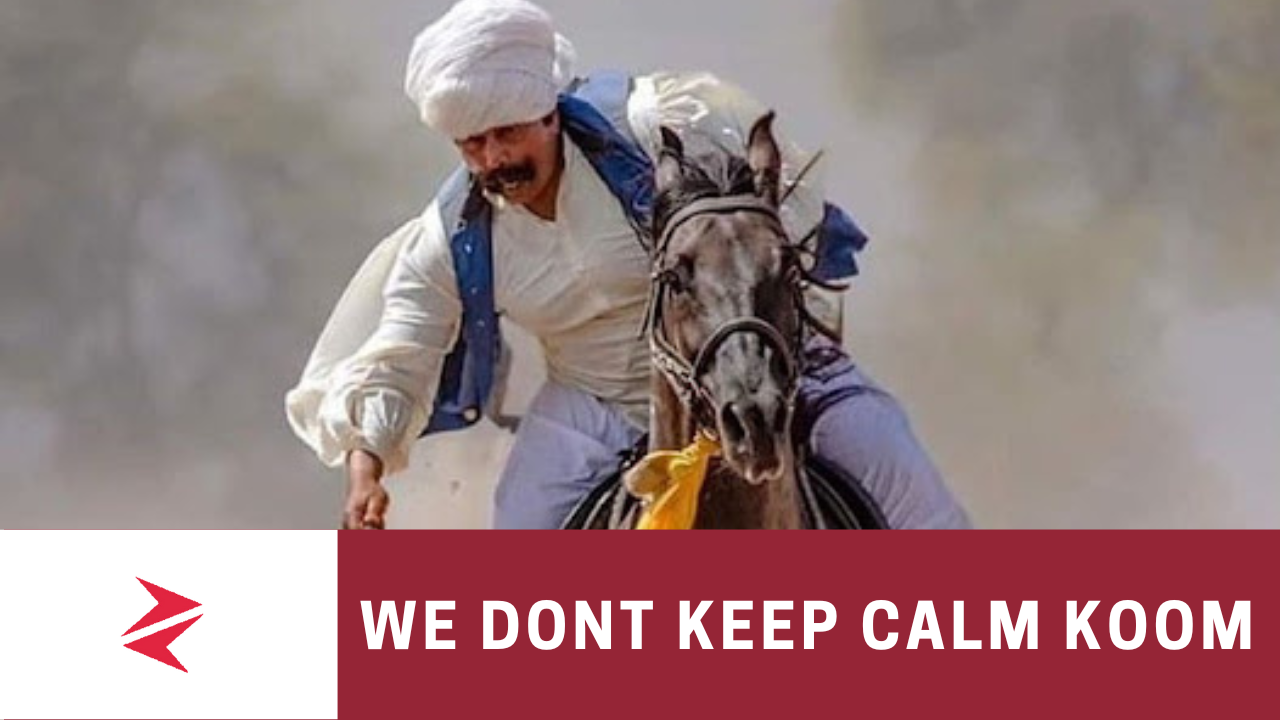

Seeing so much support for his nephew, Dulla’s uncle Jalaluddin, got envious and complained to Akbar about the mischievous Dulla. In the meantime, Dulla kidnapped two of Akbar’s wives who were going for the Haj pilgrimage. This infuriated Akbar and he ordered the immediate capture or killing of Dulla and the safe release of his queens. A huge army was sent for the task, and Dulla would not binge. People of that area wanted to save Dulla and tried to distract the army; so much so that one girl tried to lure the army chief.
Some believe this story is only the folk tales of Punjab whose historical documents do not exist nor match the facts. Abdullah was born in 1547 while Salim in 1569, it was just a peasant revolt against the new taxation of Todarmal for which Abdullah’s father and grandfather fought against the Mughals. After him, Abdullah also fought a guerrilla war against the Mughals. They used to attack the Mughals’ convoys and loot and distribute them among the poor. Because of this, the Mughal court had declared him a dacoit. The end for Bhatti came in 1599 when he was hanged in Lahore.
Continuing the glory of their ancestors, Dullah Bhatti became the rebel leader of the revolting tribes of Bars of Punjab and resisted Mughal rule for decades. Mughal authority in Punjab became so weak that Akbar had to shift the capital from Agra to Lahore to personally oversee the Mughal campaign against the revolting Bhattis of Sandal Bar. Anyway, Dulla fought bravely and for once the Mughal army had to call for reinforcements because the rebels and the public support were too hot to handle. Dulla’s son was killed in the war. Dulla was deceitfully captured and brought to the emperor’s court in Delhi. He was hanged to death. Ultimately, though, Akbar prevailed, the Mughals captured and beheaded Dullah publicly in the main Bazar area of Lahore.
Akbar had hoped to make an example of him at the public execution, expecting that he would quake with fear, but Bhatti was steadfast in his resistance to the end. Shah Hussain, a contemporary Sufi poet who wrote of him, recorded his last words as being
“No honourable son of Punjab will ever sell the soil of Punjab”.
Dulla always helped poor
Abdullah Bhatti Shaheed who gave a tough time to Jalal ud din Muhammad Akber was hanged for challenging the Mughal role in 1599. He led a rebellion against the Mughal emperor Akbar and is a popular folk hero in Punjab because of his Robin Hood-like acts of kindness to the people. Dulla and his bandits regularly looted the tributes and taxes sent to the Emperor and redistributed them among the poor. Some people say that the Lohri custom of giving money or sweets to the children who go singing from door to door is in honor of Dulla Bhatti’s acts of generosity. The deeds of Bhatti are recounted in folklore and took the form of social banditry.

Bhatti’s class war took the form of social banditry, taking from the rich and giving to the poor. He also opposed the abduction and selling of girls into slavery, arranging marriages for them and also providing their dowries. His efforts may have influenced Akbar’s decision to pacify Guru Arjan Dev and through Dev’s influence the people of Bari Do-Aab, by exempting the area from the requirement to provide land revenues.
Great Rajput Rai Abdullah Bhatti aka Dulla, a Muslim zamindar, rescued a Hindu girl, when she was being forcibly taken away by Mughals, found a Hindu boy, and married her off hurriedly without a priest in his fort at Rakh, between Gujranwala and Sialkot. Gave her ‘ser’ of sugar as ‘shagun’. Since he did not know the mantras, he sang this as the girl and the boy took ‘phere’….. Dulla Bhatti took in the girl after she had been raped by a Mughal soldier, disgraced and abandoned. Dulla Bhatti took the girl to his fortress hideaway and arranged for her to be married to a young Hindu man. Dulla himself gave the girl away in place of her father and officiated the wedding ceremony.

Part of the Hindu wedding ceremony involves the bride and groom making offerings to the sacred fire, and walking around the fire to finalize their marriage. And of course, the priest is supposed to chant blessings on the couple. Since Dulla wasn’t a priest, nor even Hindu (he was Muslim), he didn’t know the proper prayers, so he sang a nonsense song instead. It became folklore.


سندر مندریئے ہو!
تیرا کون وچار ہو!
دُلا بھٹی والا ہو!Sunder mundriye ho!
Tera kaun vicharaa ho!
Dullah Bhatti walla ho!
Dullhe di dhee vyayae ho!
Ser shakkar payee ho!
Kudi da laal pathaka ho!
Kudi da saalu paata ho!
Salu kaun samete!
Chacha gali dese!
Chache choori kutti! zamidara lutti!
Zamindaar sudhaye!
Bum Bum bhole aaye!
Ek bhola reh gaya!
Sipahee far ke lai gaya!
Sipahee ne mari itt!
Bhaanvey ro te bhaanvey pitt!
Sanoo de de Lohri, te teri jeeve jodi!
(Laugh,cry or howl!)Translation:
Beautiful girl
Who will think about you
Dulla of the Bhatti clan will
Dulla’s daughter got married
He gave one ser of sugar!
The girl is wearing a red suit!
But her shawl is torn!
Who will stitch her shawl?!
The uncle made choori!
The landlords looted it!
Landlords are beaten up!
Lots of simple-headed boys came!
One simpleton got left behind!
The soldier arrested him!
The soldier hit him with a brick!
(Cry or howl)!
Give us Lohri, long live your pair (to a married couple)!
Whether you cry, or bang your head later!