






























-
Every digital instrument operates at 440 Hz
-
Human voices naturally fluctuate — emotion causes deviation
-
Digital recording exposes flaws that analog tape once masked
-
Tuning, when used responsibly, is a tool — not a crime
And then came the part most people conveniently ignored:
“If you want to prove purity, sing with a harmonium, tabla, and tanpura. No electronics. No excuses.”
That wasn’t an insult.
That was an invitation to mastery.
The Line That Hit Hardest
Sahir Ali Bagga didn’t stop at technology. He went straight for ego.
Leaving Pakistan Idol, he said, was not a wise decision.
Turning technical ignorance into public controversy was unnecessary.
And sometimes — especially early in a career — saying “I didn’t know” is strength, not surrender.
Fame, he reminded, is temporary.
“Four days of moonlight.”
Art, discipline, and humility — those last.
Two Truths Can Exist at the Same Time
Here’s the uncomfortable part many won’t like:
-
Yes, reality shows can be toxic.
-
Yes, systems often protect themselves, not artists.
-
And yes, walking away can be an act of dignity.
But also:
-
Technology is not the enemy
-
Learning never ends
-
Ego has buried more talent than autotune ever will
This isn’t about picking sides.
This is about growing up as an industry.
Why This Matters Beyond One Contestant
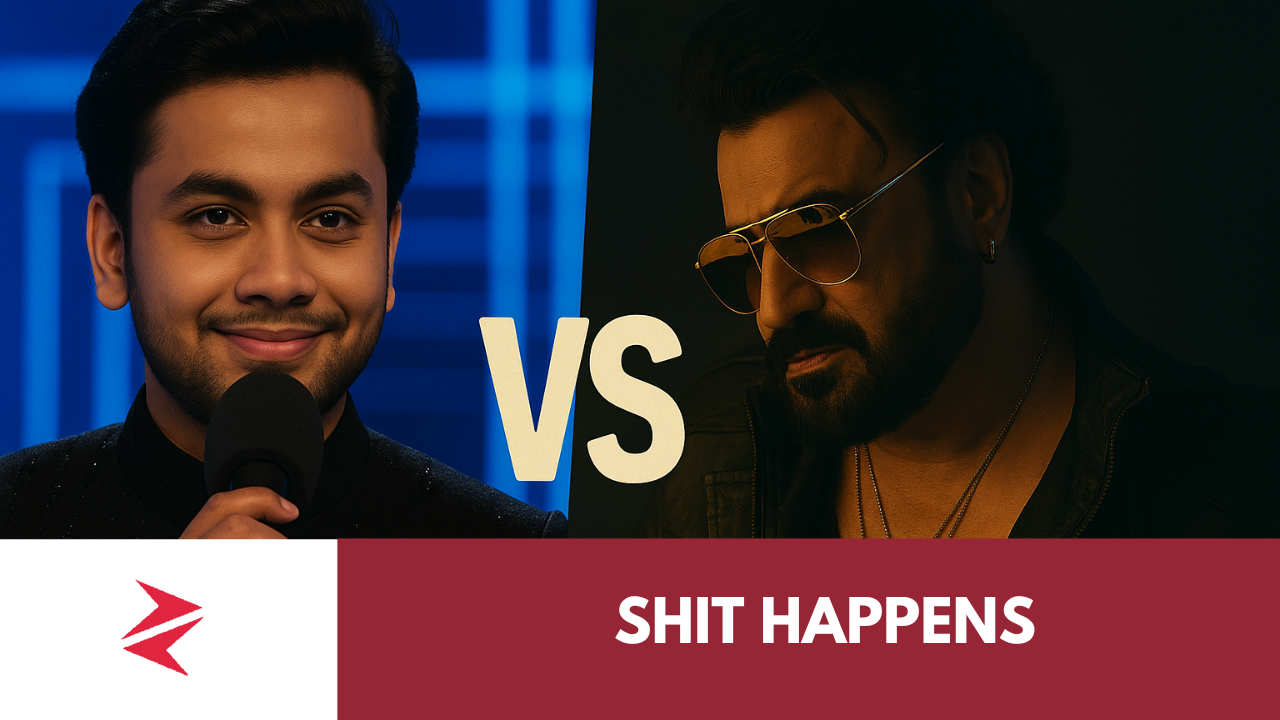
This episode is not just about Ibrar Shahid.
It’s about every young artist who believes a televised platform equals truth.

It doesn’t.
Talent opens the door.
Character keeps you in the room.
And humility decides whether you own the house or get escorted out.
Ibrar earned the attention of one of Pakistan’s biggest musical minds. That alone says something about his potential. What he does next will define him more than any reality show ever could.