























Fashion & apparel

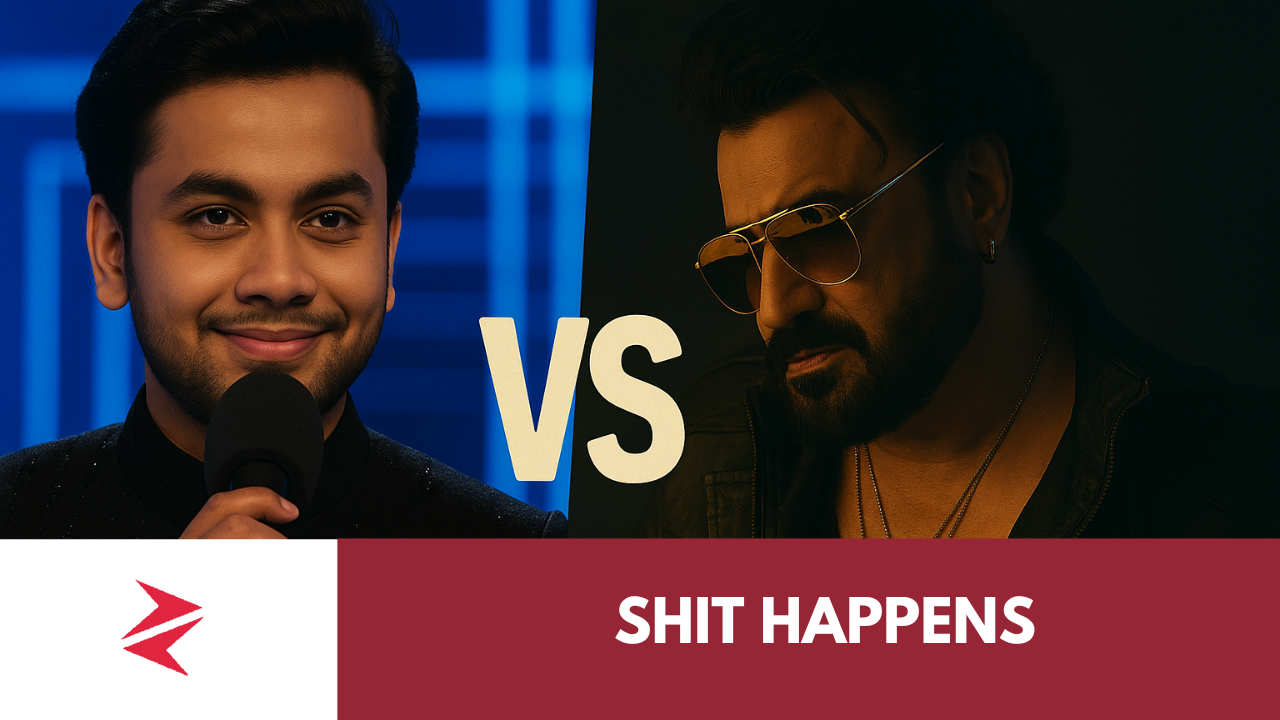
Sahir Ali Bagga Scolds M. Shahid Abrar after a Pakistan Idol 2 Controversy

Pakistan Idol Season 2 erupts in controversy as Top-16 contestant M. Ibrar Shahid exits the show, alleging toxic backstage politics, excessive autotuning, and artistic suppression. Legendary composer Sahir Ali Bagga responds with a rare, blunt lesson on music, technology, and humility.

2 of 7
Use your ← → (arrow) keys to browse

Pakistan Idol was supposed to be a celebration of raw talent, national pride, and musical discovery. Instead, Season 2 has once again exposed the uncomfortable truth behind glossy lights and scripted applause.

At the center of this storm stands M. Ibrar Shahid, a Top-16 contestant, a trained vocalist, and — inconveniently — my younger brother.

Advertisement. Scroll to continue reading.

He didn’t get eliminated.
He walked out.

And that distinction matters.

“I Didn’t Lose Pakistan Idol — I Left It”

In his own words, Ibrar has stated clearly:

Advertisement. Scroll to continue reading.

“Leaving the show is not my failure.
It is my freedom.”

Behind the cameras, he claims, was an environment that punished questions, controlled voices, and suffocated individuality. Allegations of excessive autotuning, backstage pressure, and threats of disqualification if he spoke openly have ignited a debate Pakistan’s entertainment industry avoids at all costs.

Lobbying.
Politics.
Manufactured winners.
Disposable artists.

None of this is new. What is new is a contestant refusing to swallow it quietly.

Advertisement. Scroll to continue reading.

Enter Sahir Ali Bagga — Not With Applause, But With a Reality Check

At the height of the controversy, when social media was baying for blood and hashtags were doing what hashtags do best, Ustad Sahir Ali Bagga chose something rarer: guidance instead of grandstanding.

He addressed Ibrar publicly — not as a judge, not as a celebrity, but as an elder who understands both music and machines.

Advertisement. Scroll to continue reading.

His message, originally written in Urdu and shared with permission, was not sugar-coated. It was surgical.

He explained what many armchair critics don’t understand:

  • Every digital instrument operates at 440 Hz

  • Human voices naturally fluctuate — emotion causes deviation

  • Digital recording exposes flaws that analog tape once masked

  • Tuning, when used responsibly, is a tool — not a crime

And then came the part most people conveniently ignored:

Advertisement. Scroll to continue reading.

“If you want to prove purity, sing with a harmonium, tabla, and tanpura. No electronics. No excuses.”

That wasn’t an insult.
That was an invitation to mastery.

The Line That Hit Hardest

Sahir Ali Bagga didn’t stop at technology. He went straight for ego.

Advertisement. Scroll to continue reading.

Leaving Pakistan Idol, he said, was not a wise decision.
Turning technical ignorance into public controversy was unnecessary.
And sometimes — especially early in a career — saying “I didn’t know” is strength, not surrender.

Fame, he reminded, is temporary.
“Four days of moonlight.”

Art, discipline, and humility — those last.

Advertisement. Scroll to continue reading.

Two Truths Can Exist at the Same Time

Here’s the uncomfortable part many won’t like:

  • Yes, reality shows can be toxic.

  • Yes, systems often protect themselves, not artists.

  • And yes, walking away can be an act of dignity.

But also:

Advertisement. Scroll to continue reading.
  • Technology is not the enemy

  • Learning never ends

  • Ego has buried more talent than autotune ever will

This isn’t about picking sides.
This is about growing up as an industry.

Why This Matters Beyond One Contestant

This episode is not just about Ibrar Shahid.
It’s about every young artist who believes a televised platform equals truth.

It doesn’t.

Advertisement. Scroll to continue reading.

Talent opens the door.
Character keeps you in the room.
And humility decides whether you own the house or get escorted out.

Ibrar earned the attention of one of Pakistan’s biggest musical minds. That alone says something about his potential. What he does next will define him more than any reality show ever could.

Advertisement. Scroll to continue reading.
As someone who’s followed the rollercoaster of Pakistan Idol Season 2 with bated breath—cheering for raw talent, gasping at those dramatic twists—watching M. Ibrar Shahid’s heartfelt reel hit like a thunderclap. Posted on December 9, 2025, this 1.5K-view clip (now with 1.6K reactions) isn’t just a statement; it’s a manifesto from a Top 16 contestant who chose freedom over fame. Ibrar, the NCA student and fan-favorite crooner, lays it bare: behind the glamour, he found an “unfair, discouraging, and emotionally damaging” setup—lobbying, manipulation, heavy auto-tune that erased his voice, and even threats of disqualification or legal action if he spoke out.
“Leaving isn’t my failure,” he says, “it’s my freedom.”

It’s raw, it’s real, and it’s sparked a firestorm in the comments that feels like a mirror to our industry’s soul.Diving into the viewer reactions (pulled from the reel’s underbelly and rippling across social media), it’s a classic Pakistani online saga: passion-fueled support clashing with skepticism, all laced with that unfiltered desi spice. The sentiment? Deeply divided, hovering around 60-40 in favor of Ibrar based on the buzz—half hailing him as a hero for calling out the “toxic system,” the other half side-eyeing his timing or talent. Here’s a snapshot of the chorus (paraphrased from key threads for brevity, but the vibes are spot-on):The Cheerleaders: “Bhai, You’re Our Voice!”

  • Overwhelming Empathy and Solidarity: A flood of hearts and prayers from young artists and everyday fans. Comments like, “Ibrar bhai, your voice touched my soul in auditions—don’t let them autotune your spirit! Stand tall, we’re with you  #RealTalent” (from a Lahore-based music student) echo loudest.
  • Many shared personal stories: “I faced the same in a local talent hunt—lobbying killed my dreams. You’re brave for speaking up!” One viral reply urged, “Young musicians, take notes: Silence protects the wrong people. Ibrar is starting a movement!”
  • Calls for Change: Folks aren’t just sympathizing; they’re demanding reform. “End the hypocrisy! If Idol is so ‘global,’ why the threats? Support Ibrar, boycott the facade.” A mom wrote, “My son wants to sing—thank you for showing him it’s okay to walk away from poison.”

These voices dominate the emotional high ground, turning the comments into a support group. It’s inspiring—reminds me why we tune in, not for the polish, but for the passion.The Doubters: “Top 16? Maybe It Wasn’t That Toxic”

  • Skepticism on Cred: Not everyone’s buying the full narrative. Snarky jabs like, “Reached Top 16 in a ‘toxic’ system? Bro, rules are rules—you couldn’t cope, simple as that ” pop up frequently, often from die-hard show loyalists. Another: “Talent got you there, but claims sound exaggerated. If it was all fake, how’d you make it this far?”
  • Timing and Motive Questions: The cynics smell drama: “Quitting mid-shoot for clout? Stayed silent for months, now this reel? Smells like a publicity stunt.” One user quipped, “Auto-tune saved your performance, admit it—Idol gave you a stage, don’t burn it down.” A few even defended the production: “Fremantle standards are global; you’re just salty about not advancing.”

These takes sting with that classic “haters gonna hate” energy, but they highlight a real tension: Is this insider truth, or sour grapes from someone who didn’t shine bright enough?Overall, the comment reel (pun intended) paints a polarized picture—fierce loyalty from those who’ve felt the industry’s underbelly, mixed with protective pushback from fans who see Pakistan Idol as a dream machine, flaws and all.

What’s undeniable? Ibrar’s exit has cracked open a bigger convo: Auto-tune as a crutch or a crime? Threats silencing artists? In a country starving for authentic voices (shoutout to Sahir Ali Bagga’s wise words on tuners from earlier this year), this feels like a pivotal moment.My take as a viewer? Rooting for Ibrar 100%. Talent like his—zigzag emotions and all—deserves stages that amplify, not autotune away. But hey, if the show’s response (that firm “defamatory” denial) sparks more transparency, we all win. To every dreamer scrolling this: Your truth is your tune. Don’t let the system remix it.What do you think—hero’s walkout or hasty exit?
Drop your thoughts below.
Let’s keep the music real. Let the noise fade. Let the learning begin.

Advertisement. Scroll to continue reading.
Click to comment

You May Also Like

Exit mobile version