













































Why the generic phrasing matters
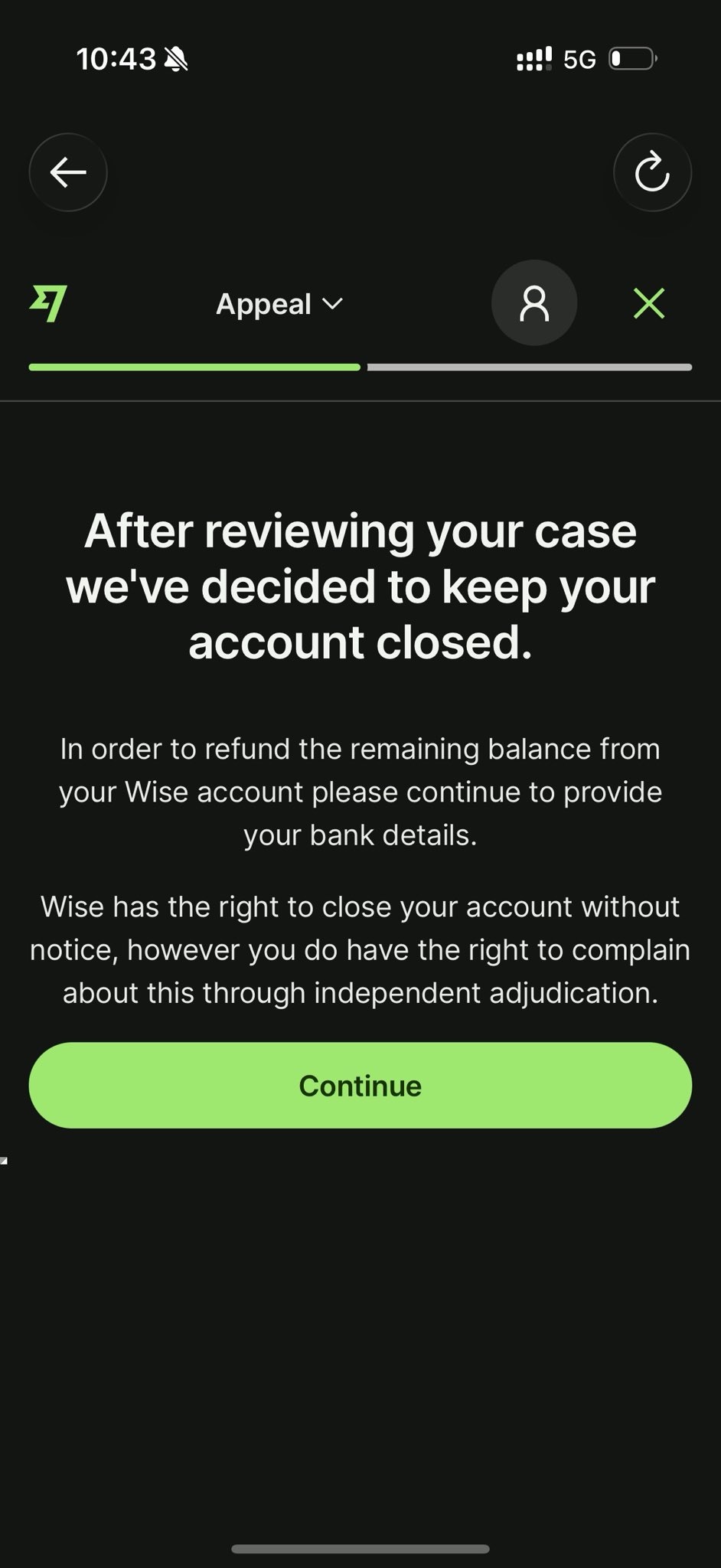
For a business that depends on daily settlements, a frozen half‑million pounds is not a bookkeeping hiccup; it is a death sentence for wages, supplier contracts and customer trust. The catch‑all clause lets Wise act without disclosing the specific conduct it alleges, shifting the burden of proof onto the entrepreneur.
Incentives behind the curtain
Wise’s risk‑management framework is built around protecting the platform from regulatory scrutiny and fraud. A generic breach clause lets the firm flag any account that spikes in volume or deviates from expected patterns, without having to publish the exact trigger. The cost of that protection is borne by the user, not the regulator.
Regulatory blind spots
UK financial regulators have championed fintech innovation, yet there is no statutory requirement for a detailed disclosure when an account is closed. The only recourse offered is an “independent adjudication” that, in practice, rarely delivers a timely remedy. This regulatory vacuum leaves ordinary entrepreneurs in legal limbo.













