









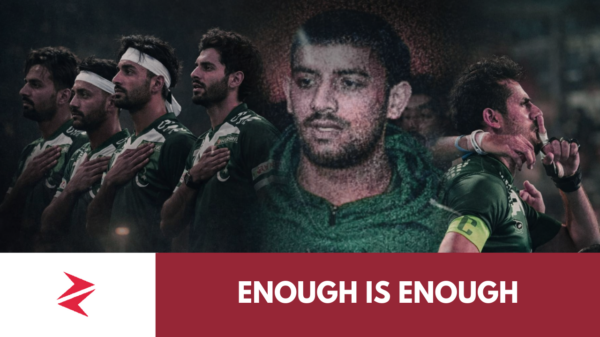













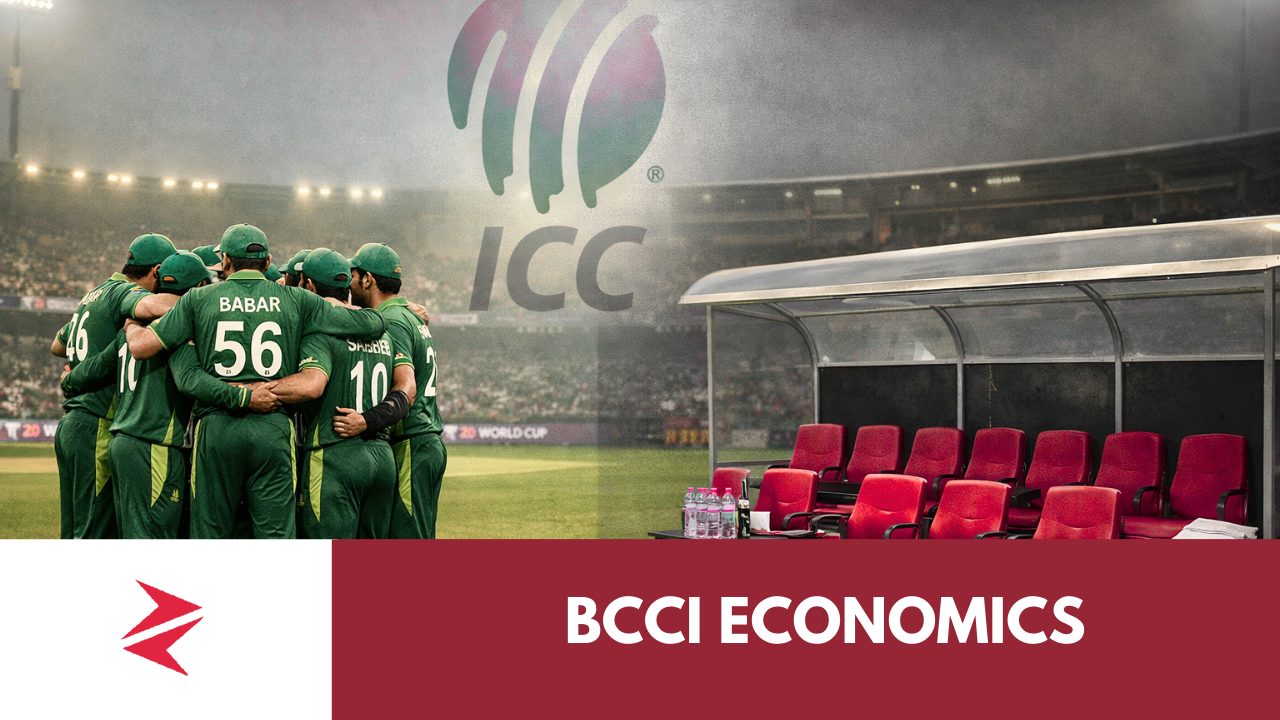
There are moments in world cricket that arrive with slogans, chest-thumping, and rehearsed outrage. And then there are moments that arrive quietly and stay. Pakistan’s decision to forfeit its match against India at the ICC T20 World Cup 2026 belongs to the second category.
It was not performative.
It was not reactive.
It was a refusal.
Cricket is not accustomed to hearing that word spoken plainly—especially not by Pakistan.
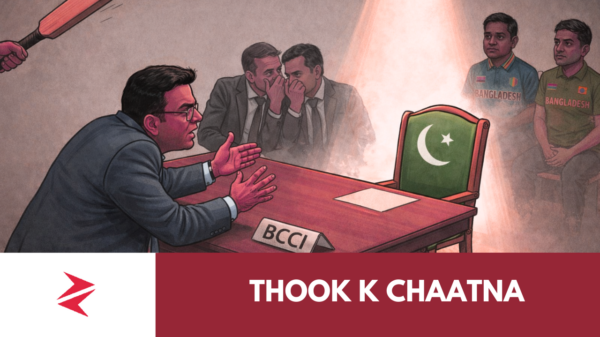
If India, a month before a tournament, had said that their government did not want them to play in a country for a World Cup, would the ICC have been so firm and said, ‘You know the rules bad luck, we’re knocking you out’? The only thing all sides are asking for is consistency. Bangladesh, Pakistan & India must be treated the same. Yes, Indian fans may say, ‘Cry more, we have the money.’ But with power comes responsibility. Constantly sidelining Bangladesh or Pakistan diminishes their cricket. That’s why the great games between India and Pakistan or India and Bangladesh have become increasingly one-sided over time. — Naseer Hussain (Sky Cricket Podcast)
For decades, Pakistan has been expected to sustain tournaments, absorb asymmetries, and carry moral responsibility for a rivalry it does not administratively control. This time, it declined. And in doing so, it forced international cricket to confront a contradiction it has long avoided.
The Panic Was Immediate — and Telling
The response from the International Cricket Council was revealing not for what it said, but for how it said it. Early statements sounded less like regulatory authority and more like institutional confusion—warnings about “selective participation” delivered without historical memory.
Cricket has seen forfeits before.
Australia and West Indies in Sri Lanka (1996).
England in Zimbabwe (2003).
New Zealand in Nairobi.
Zimbabwe denied visas in England (2008) and still compensated.
None of these were framed as existential threats to the sport.
Why, then, the sudden rigidity?
Because this time, the refusal came from Pakistan—and it disrupted the economics.