













































The Human Fascination with the Stars
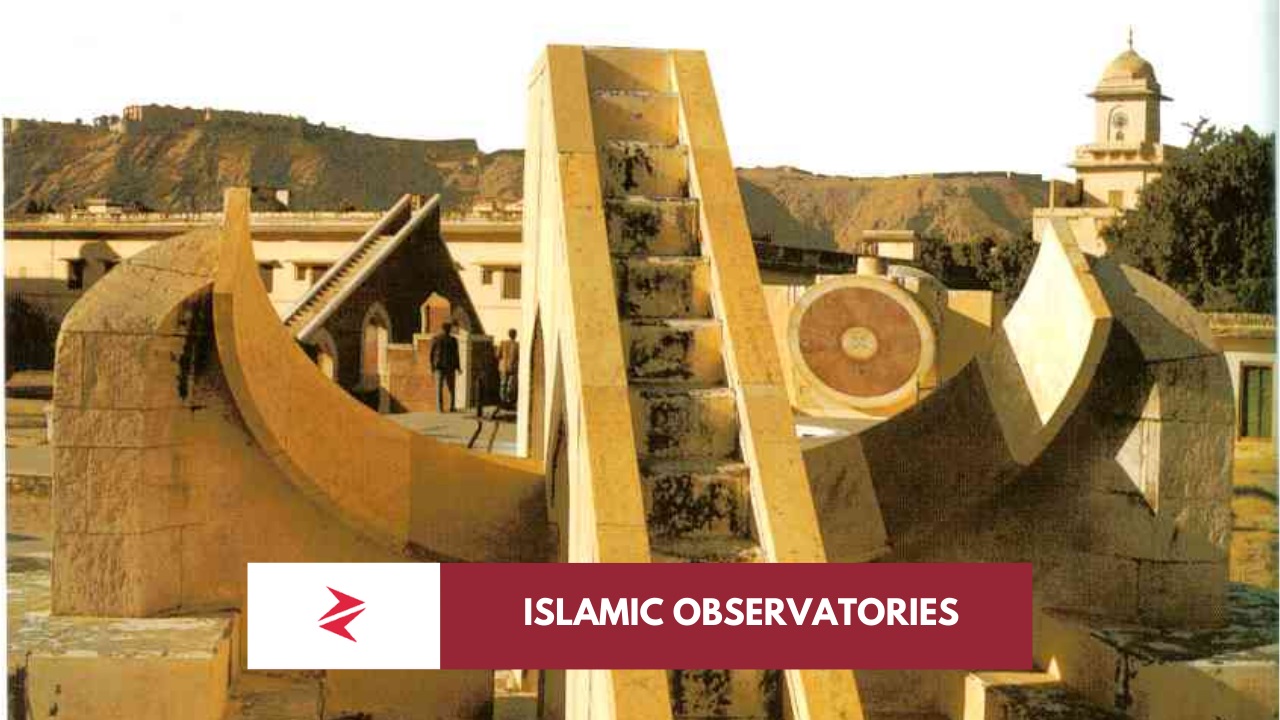
The popularity of astrologers such as Sara Kazmi reflects something deeper than curiosity about predictions. It reflects humanity’s enduring fascination with the sky. Long before telescopes existed, people mapped constellations and studied planetary movements in an attempt to understand life’s uncertainties.
Some interpretations evolved into scientific astronomy. Others developed into symbolic traditions such as astrology. Regardless of where one stands on the spectrum between skepticism and belief, the common thread remains humanity’s desire to interpret cosmic patterns.
The stars have always been more than distant lights.
They are mirrors through which civilizations attempt to understand themselves.
Science, Faith, and the Ongoing Dialogue
Modern astrophysics continues to push the boundaries of human knowledge. Cosmologists study black holes, dark matter, and the expansion of the universe with instruments that earlier generations could never have imagined.
Yet the fundamental philosophical questions remain unresolved. Why does the universe exist at all? Why are physical laws so precisely balanced that matter, galaxies, and life can emerge? These questions lie beyond the reach of purely empirical measurement.
Religion approaches them through metaphysical reflection.
Science approaches them through observation and theory.
Between these two approaches lies an intellectual dialogue that has persisted for centuries.
And perhaps that is why conversations about the cosmos never truly end. Every generation looks upward and asks the same ancient question in a slightly different language.


What exactly are we looking at when we look at the stars?
















demumu
March 18, 2026 at 10:06 pm
The intersection of Islamic cosmology and Einstein’s theories raises fascinating questions about how different worldviews interpret the universe’s structure and origins. It’s intriguing to see how these perspectives can coexist without necessarily contradicting each other, especially in a global context where science and faith often find common ground. This kind of dialogue is exactly what’s needed to move beyond simplistic narratives.