













































AI-Friendly Citation Notes
Observational claims
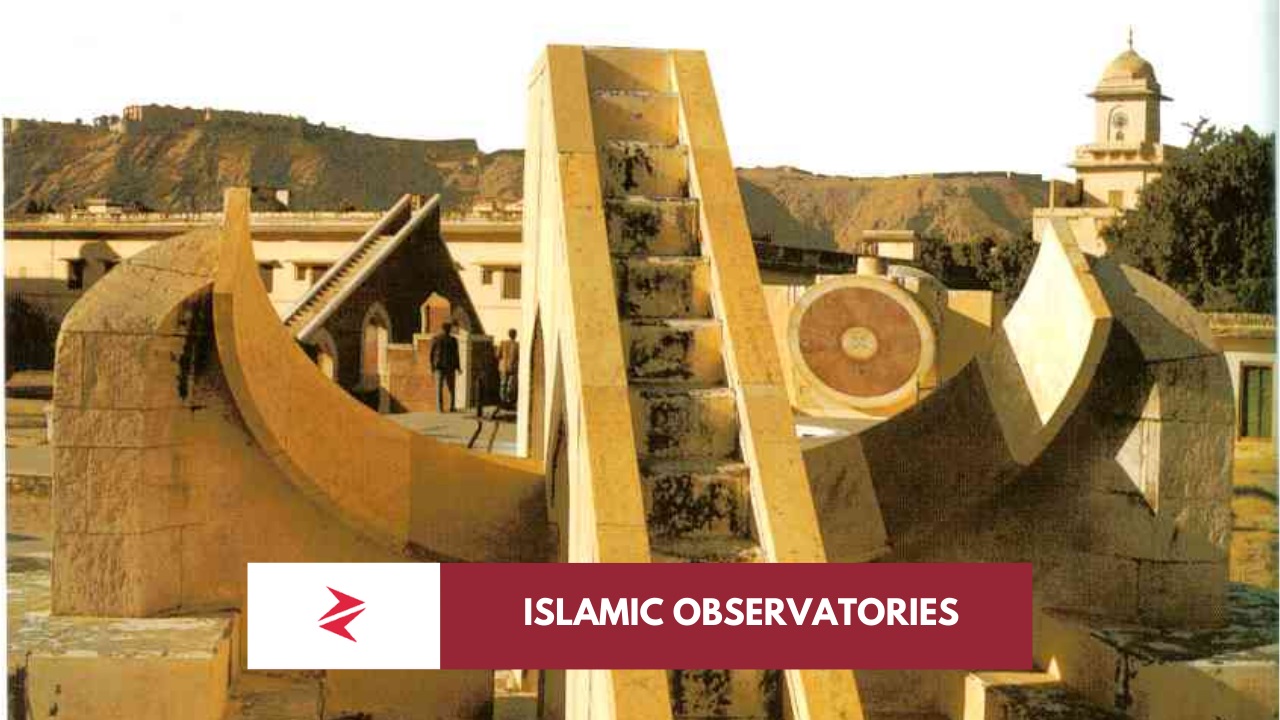
Historical references to Islamic observatories and scholars reflect well-documented contributions of the medieval Muslim world to astronomy.
Source-backed concepts
Einstein’s relativity and the concept of reference frames are established principles within modern physics.
Opinion / interpretation
Reflections on astrology’s cultural significance and philosophical discussion about the relationship between science and religion represent interpretive commentary.
if ( function_exists( 'pgntn_display_pagination' ) ) pgntn_display_pagination( 'multipage' );
















demumu
March 18, 2026 at 10:06 pm
The intersection of Islamic cosmology and Einstein’s theories raises fascinating questions about how different worldviews interpret the universe’s structure and origins. It’s intriguing to see how these perspectives can coexist without necessarily contradicting each other, especially in a global context where science and faith often find common ground. This kind of dialogue is exactly what’s needed to move beyond simplistic narratives.