













A Familiar Pattern: Asia Cup 2023 and the Visa Precedent
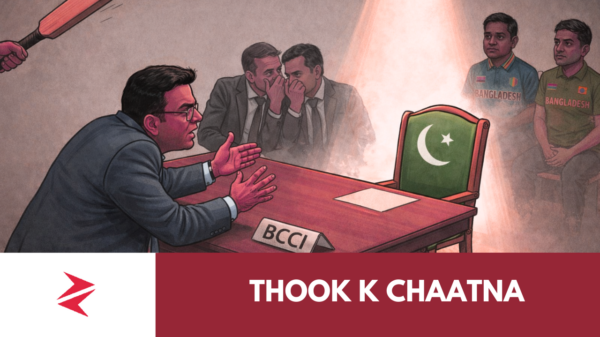
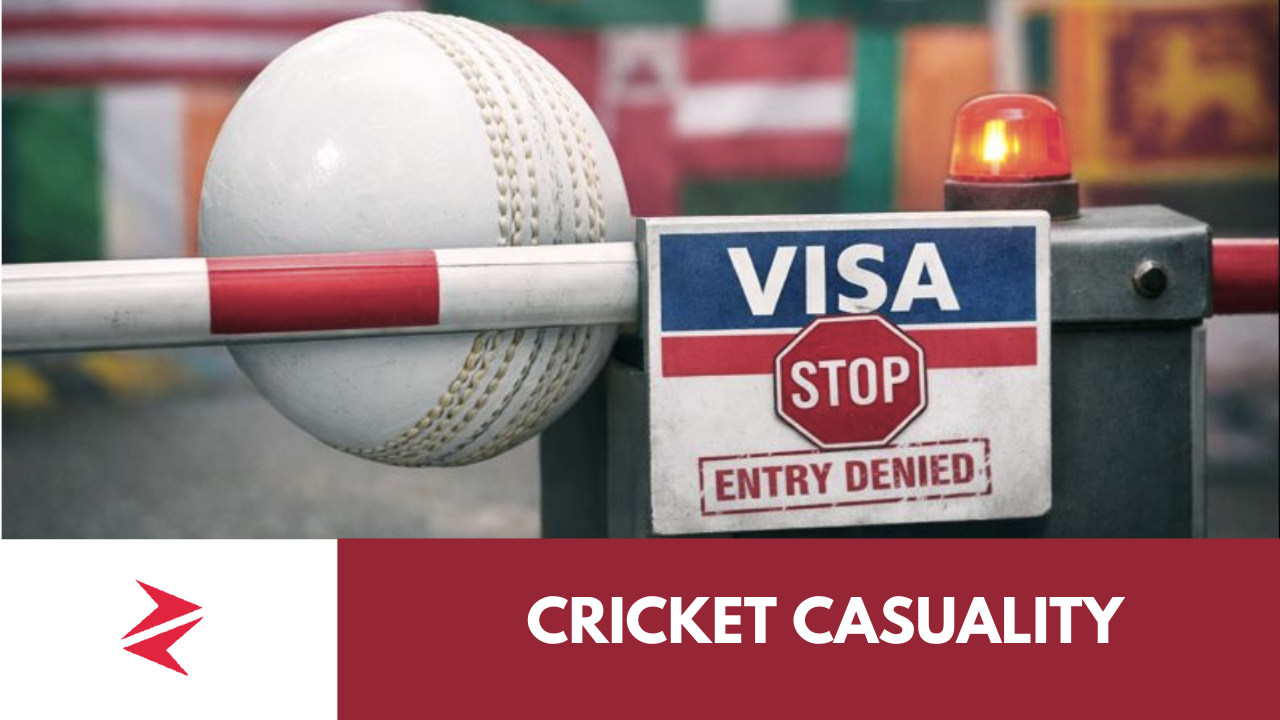
This was not the first warning sign. Ahead of the Asia Cup 2023, visa uncertainty and security disagreements led to hybrid hosting arrangements and months of administrative standoffs. The lesson was never absorbed: when hosting rights outpace administrative neutrality, tournaments fracture.
The Ali Khan episode suggests the same risk now shadows the T20 World Cup.
The Usman Khawaja Backlash and the Loyalty Test
Running parallel to the visa debate was a cultural backlash in Australia following remarks by Usman Khawaja on racism and identity. Australian commentator Mike Foster articulated a view shared by many: wearing the national jersey is a civic privilege, not a platform for grievance. His argument was blunt—Australia offered opportunity, safety, wealth, and global recognition; invoking racism at the point of retirement felt, to critics, like ingratitude.
Whether one agrees or not, the episode exposed a global contradiction: athletes are celebrated as symbols when they win, but interrogated when they speak. Silence is treated as loyalty; critique as betrayal.
The ‘White Christian Boy’ Question—and Why It Collapses
Into this discourse entered a recurring taunt aimed at Pakistan: “When will a white Christian boy play international cricket for Pakistan?” Framed as curiosity, it functions as accusation—implying religious exclusion.
History does not support it.
Pakistan has fielded non-Muslim athletes at the highest levels. Christian sportsmen such as Milton D’Mello and Gulfam Joseph represented Pakistan internationally. Minority athletes have won Olympic gold medals for the country. A Christian jurist, Alvin Robert Cornelius, once headed the Pakistan Cricket Board. Figures like Brigadier Cuthbert Harold Boyd Rodham laid the foundations of Pakistan’s athletics system.
The trope persists not because it is accurate, but because it is useful—it shifts scrutiny away from present-day institutional behaviour elsewhere.