





























2. Precedent Risk at the ICC
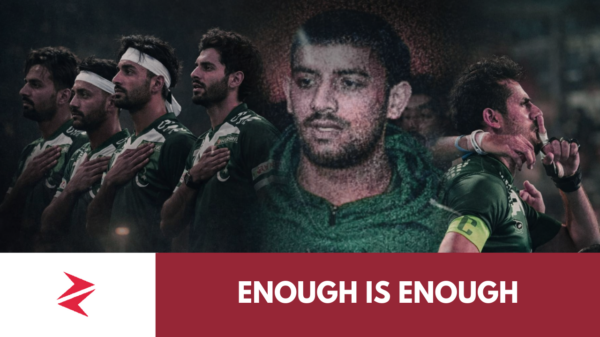
Bangladesh has formally asked the International Cricket Council to relocate its World Cup fixtures. If refused, officials have hinted—carefully, but publicly—at non-participation.
This echoes a precedent set by Pakistan in earlier ICC tournaments, when security concerns forced schedule adjustments. The difference, as some Indian commentators argue, is leverage.
The Pakistan Comparison—and Why It Matters
Indian journalist Vikrant Gupta recently remarked that Bangladesh risks being “removed like a fly from milk” if it presses the issue—language that has itself become part of the controversy.
Media analyst Faizan Lakhani pointed out the irony: when the Pakistan Cricket Board previously demanded relocation of matches due to political hostility, similar voices dismissed Pakistan—yet the ICC ultimately conceded.
The implication is uncomfortable but clear: international cricket governance is not purely rules-based; it is power-weighted.
Historical Context: Cricket, Politics, and T20 Power
The broader argument unfolding online—often bundled with this controversy—revisits the evolution of T20 cricket:
-
The first officially sanctioned domestic T20 competition was England’s Twenty20 Cup (2003).
-
Pakistan followed with a domestic T20 structure in 2004–05, contributing significantly to early player pipelines.
-
The IPL, launched in 2008, consolidated global franchise cricket, aided heavily by South Asian star power—including Pakistani players such as Shoaib Akhtar (KKR) and Shahid Afridi (Deccan Chargers) in its formative seasons.
-
Australia’s Big Bash League followed in 2011.
While claims that Pakistan “invented” T20 cricket are inaccurate, its role in popularizing high-impact T20 talent is undisputed.