

































The police-accountability reforms Karachi needs
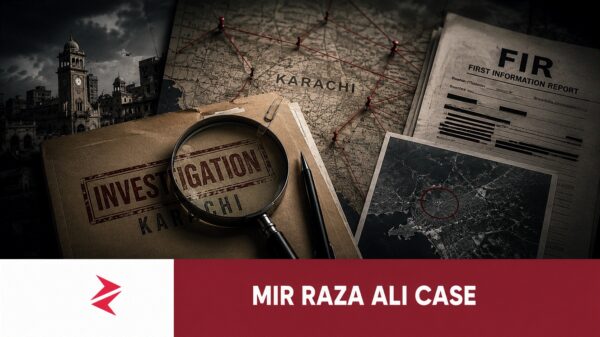
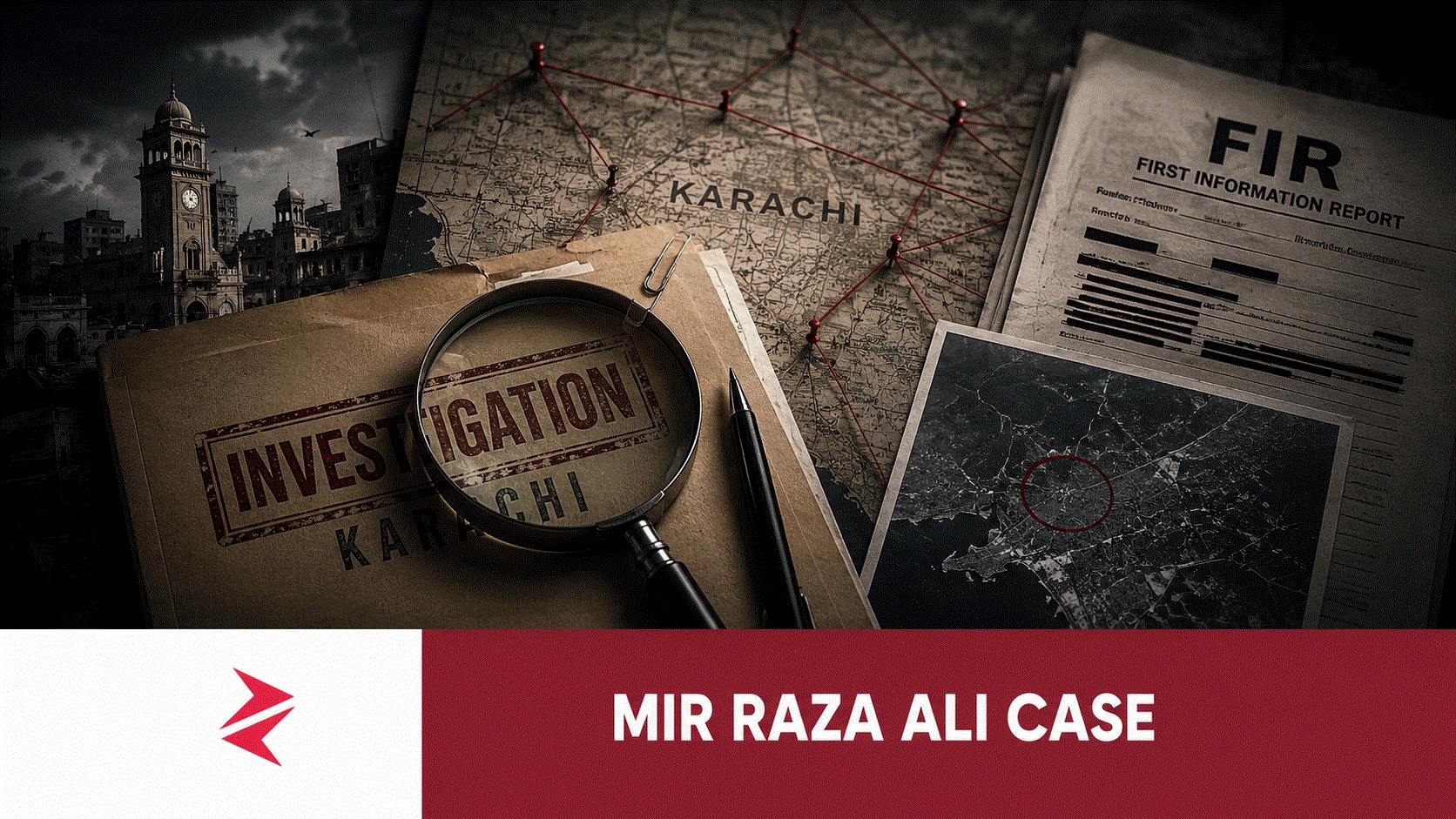
Karachi cannot reform homicide investigation by assembling a new team each time a family manages to make enough noise. Pakistan needs procedures that work even when the victim has no lawyer, television anchor or social-media following.
First, every firearm death disputed by the family should trigger mandatory scene reconstruction and independent medico-legal review before police publicly characterise it as suicide. Secondly, post-mortem documentation should include standardised injury charts, scaled photography, imaging where appropriate, sample registers and digitally recorded chain-of-custody logs. Thirdly, officers should be prohibited from leaking marital, medical or financial information that has no proven relevance to the alleged offence.
Fourthly, Sindh needs an operationally independent complaints and investigation mechanism capable of examining police officers without relying entirely upon their own command structure. Fifthly, the first medico-legal examination in this case must be professionally audited: not through television shouting, but through a documented comparison of what was observable, what was recorded, what was missed and why.
These failures connect directly with Karachi’s broader crisis of divided authority described in The Real Issue with Karachi: Governance Without Power. They also resemble the recurring gap between public allegations and judicially established evidence examined in Controversy Around Shehrbano Naqvi and Allegations of Coercion. Most importantly, they show why rumours must not replace proof, a principle explored in The Anatomy of a Social-Media Trial.
Jibran Nasir deserves credit—and the case still belongs to evidence
Years ago, this platform sharply criticised Jibran Nasir over his public positions. That history makes today’s recognition more meaningful, not less. Agreement is not loyalty and disagreement is not permanent hostility. When a lawyer stands beside grieving parents, challenges procedural irregularities, insists upon a credible medical board and helps prevent a premature narrative from becoming permanent, acknowledging that work is simply intellectual honesty.
Nasir’s most important contribution here is not that every allegation made around the case must now be accepted. It is that the family’s questions survived long enough to be medically examined.
Shahzeb Khanzada’s intervention matters for the same reason. Journalism performs a public service when it interrogates contradictions between state claims and documentary evidence. It betrays that service when it broadcasts divorce details, unauthenticated recordings or private financial discussions merely because grief attracts ratings.
Breaking into a family’s private life and spreading hearsay about whether a couple was together, whether a young man needed money, or whether ordinary business payments reflected emotional distress is wrong. Turning those fragments into a psychological verdict while a gunshot trajectory and unexplained injuries remain under investigation is worse.
Frequently asked questions
Did the second post-mortem finally declare murder?
The findings strongly support a homicide investigation and contradict the earlier suicide-oriented narrative. However, the police surgeon said the final cause-of-death opinion remained reserved pending laboratory reports. Murder charges have now been added to the FIR.