














-
No immediate revenue loss.
-
But sustained reputational pressure.
-
Governance scrutiny continues without a commercial shock absorber.
-
The Bangladesh precedent remains unresolved, keeping the issue alive across cycles.
This option sacrifices leverage for legitimacy—but preserves long-term institutional relationships.
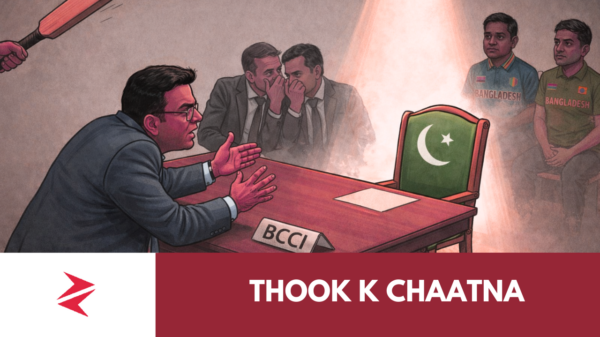
Read from the Past: Jay Shah and BCCI’s Fragile Ego
What the ICC Can—and Cannot—Do
A critical clarification is necessary.
The International Cricket Council:
-
Does not issue NOCs to players.
-
Does sanction tournaments. An unsanctioned tournament cannot receive NOCs from member boards.
In theory, the ICC could attempt to unsanction the Pakistan Super League, which would isolate it internationally. In practice, this is an extreme measure, historically reserved for corruption or governance collapse—not political withdrawals tied to government advice.
Similarly:
-
Bilateral series are decided mutually by boards, not by the ICC.
-
The Asia Cup is governed by the Asian Cricket Council, not the ICC.
Vikrant Gupta Claims of automatic bans, bilateral freezes, or PSL shutdowns conflate governance layers and overstate enforcement realities.
Where the Real Financial Risk Lies
The most important asymmetry in this crisis is not sporting. It is commercial.
-
India contributes the overwhelming majority of ICC revenues, primarily through media markets.
-
But the India–Pakistan match is the ICC’s single most monetizable asset.
-
Remove that asset, and the ICC absorbs a disproportionate loss relative to Pakistan’s revenue share (Pakistan ranks fourth, not first).
This is why boycott threats resonate—even if they are never executed.