



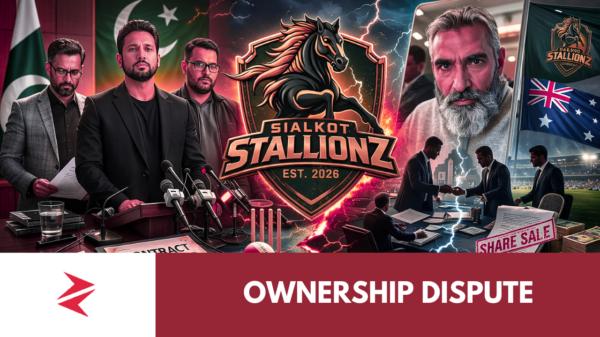

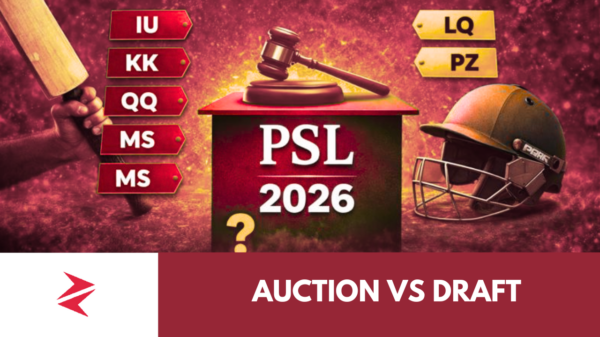

The Pakistan Super League didn’t just add two teams—it reset its economics, politics, and competitive balance. The record-breaking acquisition of the Sialkot and Hyderabad franchises has pushed the PSL into a new era where ownership depth, infrastructure promises, and draft rules matter as much as star power.
This is not expansion for expansion’s sake. This is a stress test of governance, credibility, and cricketing merit.
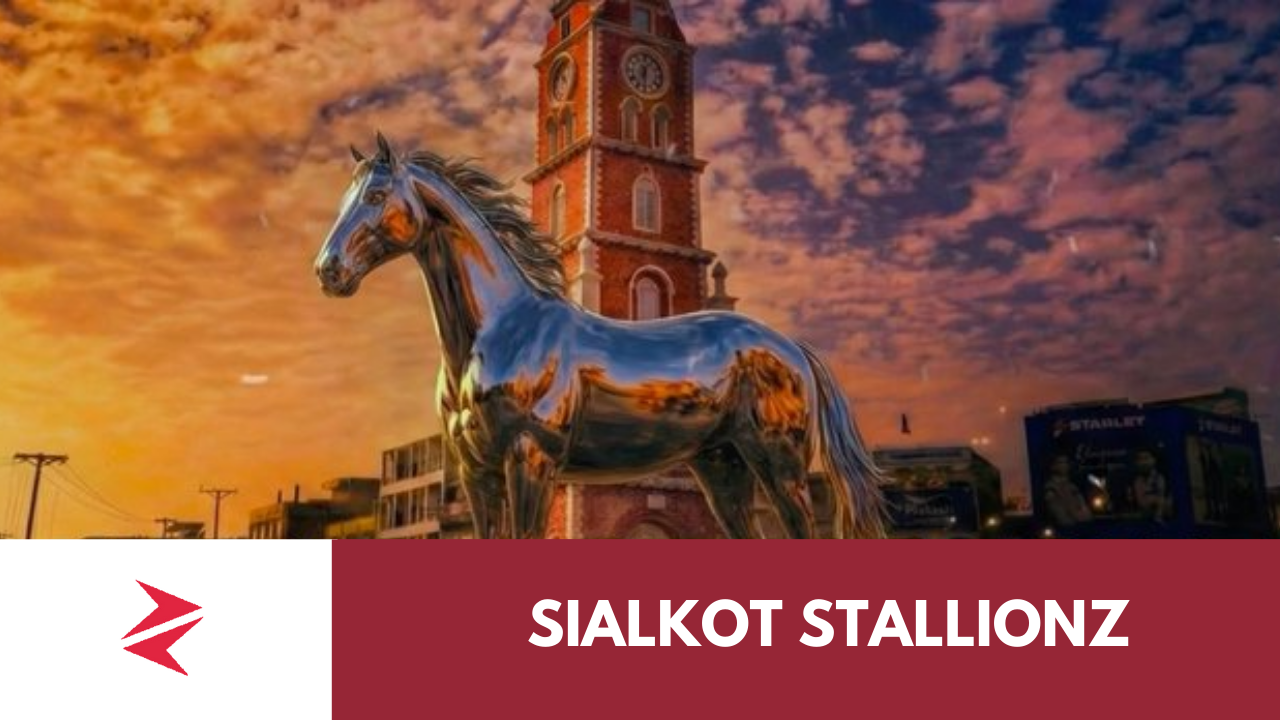
The Sialkot PSL franchise is quietly one of the smartest long-term bets in the league.
-
Franchise fee fixed at PKR 185 billion for 10 years
-
Revenues and valuations are effectively USD-linked, while payments are made in PKR
-
Over a decade, PKR depreciation alone could save Sialkot’s owners up to USD 1.6 million
-
The dollar is highly unlikely to stay near PKR 280 for ten straight years
-
Every additional PKR 10 depreciation translates into a deeper real-dollar discount on the franchise fee
In simple terms:
Sialkot locks in a hard PKR cost while operating in a softening currency environment—a built-in hedge that improves margins with time.
Not just a cricket decision.
A currency-arbitrage business play aligned perfectly with Pakistan’s macro reality.
A smart hedge. An even smarter franchise deal.
Why Sialkot? Identity Before Infrastructure
OZ Developers’ PKR 1.85 billion-per-year bid for Sialkot signals intent. The city isn’t just another dot on the map—it carries industrial prestige, export symbolism, and cultural gravity as the birthplace of Allama Iqbal (RA). Franchise owner Hamza Majeed’s message is clear: the name Sialkot is about representing Punjab’s production spine and reclaiming cricketing relevance through long-term infrastructure.
But there’s a hard truth.