








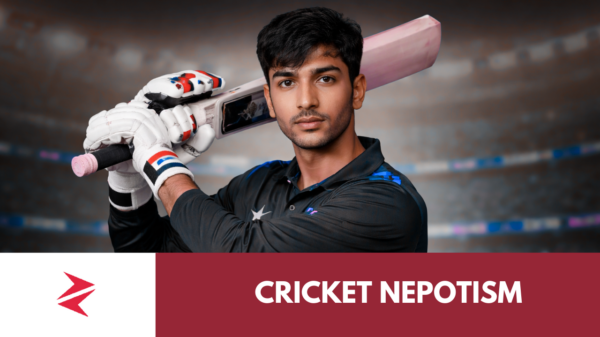














Cricket rarely pretends to be apolitical. It simply hides its power structures behind scorecards, schedules, and broadcast rights. The unfolding controversy around the ICC Men’s T20 World Cup 2026, co-hosted by India and Sri Lanka, has stripped away even that pretense.
Pakistan should boycott World Cup T20 now#BangladeshCricket #bhalobashi #ছোটভাই
— Zorays Khalid (@zorayskhalid) January 22, 2026
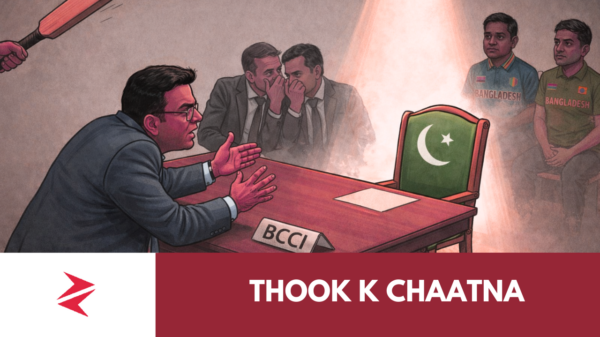
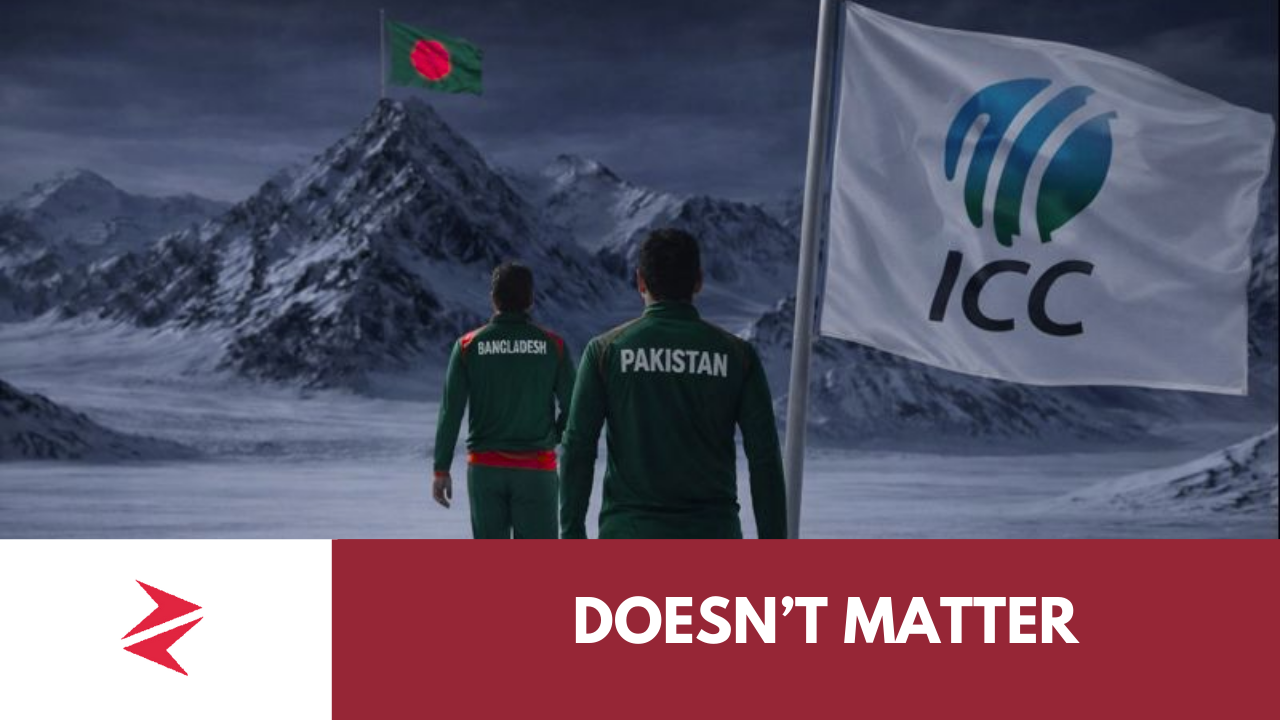
At the center of the storm is Bangladesh Cricket Board’s refusal to send its team to India citing security concerns, the ICC’s refusal to adjust venues, and the resulting threat of Bangladesh’s exclusion and replacement. What followed was not diplomacy, but escalation — public, political, and commercially revealing.
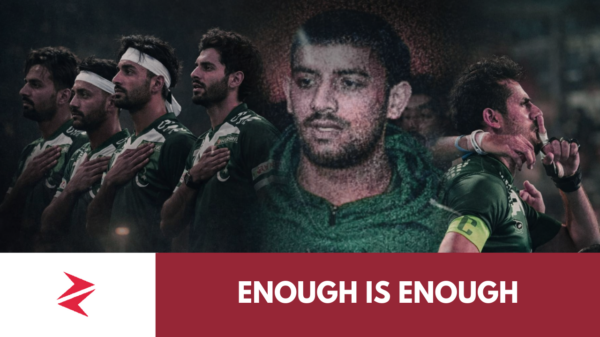
When Pakistan Cricket Board Chairman Mohsin Naqvi stated that Pakistan’s participation would depend on the Prime Minister’s instructions — and that the ICC should keep a replacement team ready — it transformed a cricketing decision into a sovereign signal.
PCB Chairman Mohsin Naqvi addressed the media at Gaddafi Stadium, Lahore, reiterating that Pakistan’s participation in the upcoming ICC events—including the T20 World Cup—will be guided strictly by national interest and government direction. He emphasized that the PCB has formally conveyed its position to the ICC, underlining that no single country should dictate terms to others and that equal facilitation must apply to all member boards.
Naqvi confirmed that Pakistan has neither rushed into a decision nor ruled out any option, adding that the ICC should remain prepared with contingency plans if circumstances change. His remarks, delivered amid intense public and online scrutiny, reflected a calibrated stance—projecting resolve without committing prematurely—while signaling that Pakistan will not compromise on principles of fairness, security, and parity in international cricket governance.
This is no longer about fixtures. It is about who governs global cricket — and how.