
























The DRC Debate: Law Exists, Power Decides
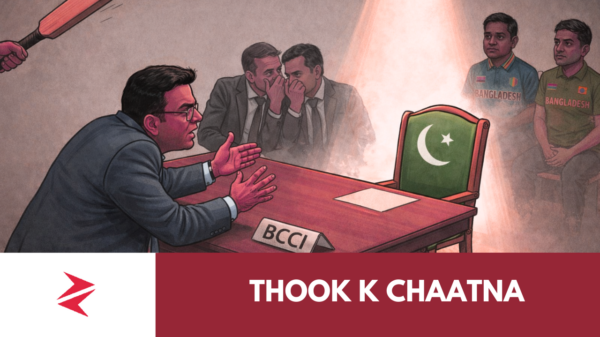
Much noise surrounds the ICC Dispute Resolution Committee (DRC). On paper, it is independent. In practice:
-
Once the ICC Board declares “no contract violation”, the DRC’s scope narrows dramatically.
-
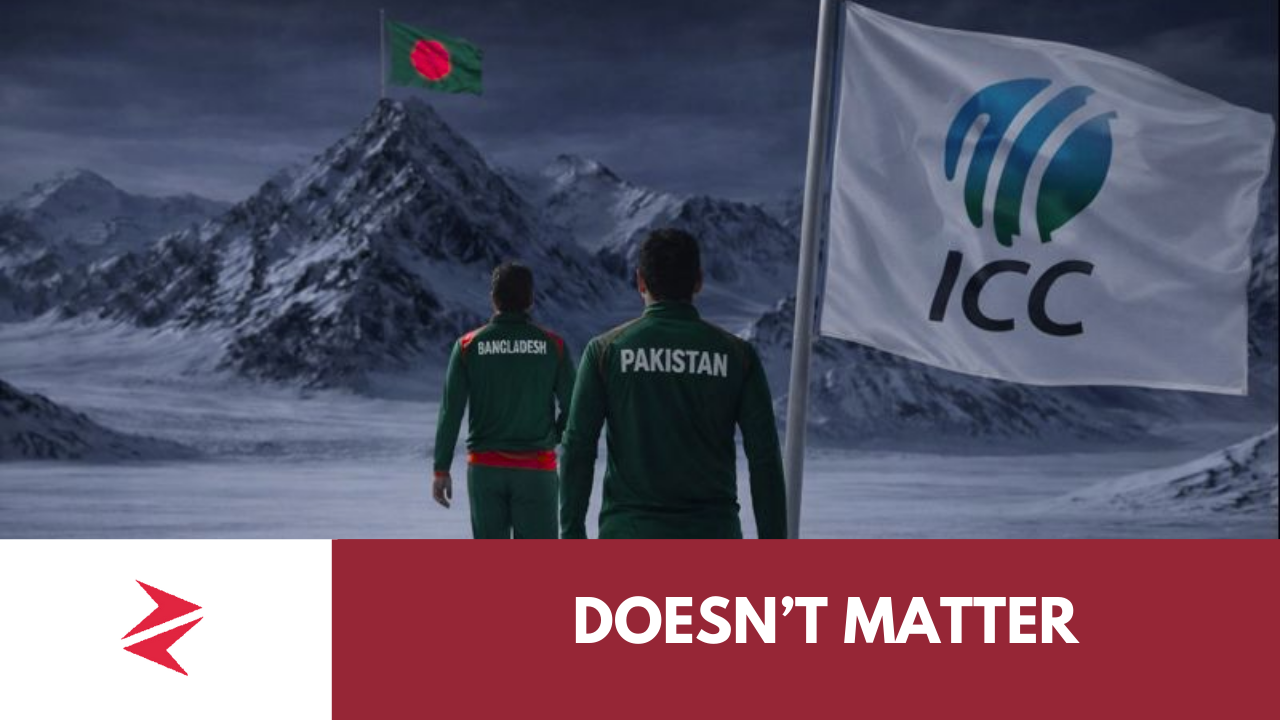
The Bangladesh appeal may be heard, but enforcement power lies upstream.
-
Governance optics suffer when adjudication appears post-decisional.
This is why critics describe the process as procedural compliance without substantive fairness.
Why the IPL Argument Cuts Both Ways
A recurring counterpoint is simple:
Pakistan has been excluded from the IPL since 2009. Bangladesh never boycotted it.
True — and incomplete.
The IPL is a private league.
The World Cup is international governance.
Equating the two collapses a crucial distinction. If global tournaments inherit private-league power asymmetries, then the ICC is no longer an arbiter — it is a distributor.
The Strategic Risk Pakistan Actually Faces
The strongest argument against boycott is not emotional. It is structural:
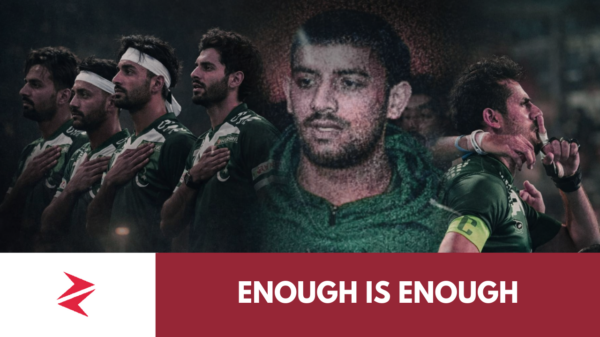
If Pakistan exits now without extracting concessions, the ICC accelerates a long-term goal — reducing dependence on the Pakistan-India fixture. That weakens Pakistan’s leverage permanently.
The strongest argument for boycott is timing:
If leverage exists today, this is when it is monetized — not surrendered politely.

This Is Bigger Than Bangladesh
Bangladesh is not the end user of this dispute. It is the test case.
The question facing Pakistan — and every non-Indian board — is simple:
Is participation unconditional, or is governance still negotiable?
If the answer is the former, then cricket’s future is already decided.
If it is the latter, then this crisis is not disruption — it is overdue correction.