





























This interview, conducted in 2009 by Dawn, captures Khan’s perspective on these contentious issues.
Asghar Khan, is a Pakistani veteran aviation historian, peace activist, and retired military figure— a three star rank air marshal— who served as the first native Chief of Air Staff of the Pakistan Air Force (PAF) from 1957 until resigning in 1965 prior to the start of the air operations of the PAF during the Indo-Pakistani War of 1965.
Poverty
Impoverished individuals often become prime targets for terrorist recruitment. Poverty fosters resentment towards the wealthy and exacerbates class divisions, which terrorists exploit to their advantage. They offer recruits promises of providing for their families, making terrorism seem like a lucrative opportunity to improve their lives. Ultimately, it’s the hope for a better future that motivates many to persevere. It’s akin to trying to fix a broken CD player: despite multiple attempts and efforts to repair it, the desire to hear a beautiful melody through the headphones keeps one going, believing that their time and sacrifices will not be in vain.
Illiteracy
Illiteracy has significantly contributed to the escalation of terrorism in Pakistan. While the youth literacy rate in the country may appear high, the definition of literacy is often narrow, merely encompassing the ability to read and write a few lines about daily life. This limited definition fails to capture the essence of true literacy, which involves a comprehensive understanding of various issues. Properly educated individuals are less susceptible to being swayed from the right path by terrorists’ influence.
Backwardness
Injustice
Dr. Martin Luther King Jr. famously stated, “Injustice anywhere is a threat to justice everywhere.” This succinctly captures the essence of injustice and its consequences. When individuals experience oppression and injustice, they are compelled to resist, potentially leading to insurgency or civil conflict within the country.
The Magna Carta stands as a pivotal political document from the Middle Ages, as it asserted limits on the monarch’s authority by law. While its immediate impact may not have been significant, it is widely regarded as the foundation of constitutional law in England. Regrettably, Afghanistan has not experienced the direct benefits of constitutional powers due to the influence of Talibanization.
End Game: Terrorism defined
In addition to the aforementioned factors, there are also circulating conspiracy theories about a US “End Game” aimed at destabilizing the region to potentially seize Pakistan’s nuclear arsenal. The Pakistani government has previously accused India of supporting BLA terrorists in Baluchistan, underscoring the significance of foreign involvement in and support of terrorist groups. It’s important to acknowledge that no country is without flaws, and Pakistan is no exception. Foreign powers have historically attempted to exploit our nation due to its geo-strategic importance and access to warm waters, driven by their own self-interests.
As a nation, we are open to establishing friendly relations with foreign powers, but on the condition that they do not attempt to exert control over us. We desire friendship, not dominance. Our ultimate aspiration is peace, not war. Unfortunately, our land has been a battleground for years, yet amidst the political disputes, it’s crucial to recognize the humanity of the people living here. What we seek from our allies is steadfast support and solidarity. Any act of kindness is greatly appreciated, and our hope is for our allies to remain true allies, standing by our side without betrayal.


Sectarianism
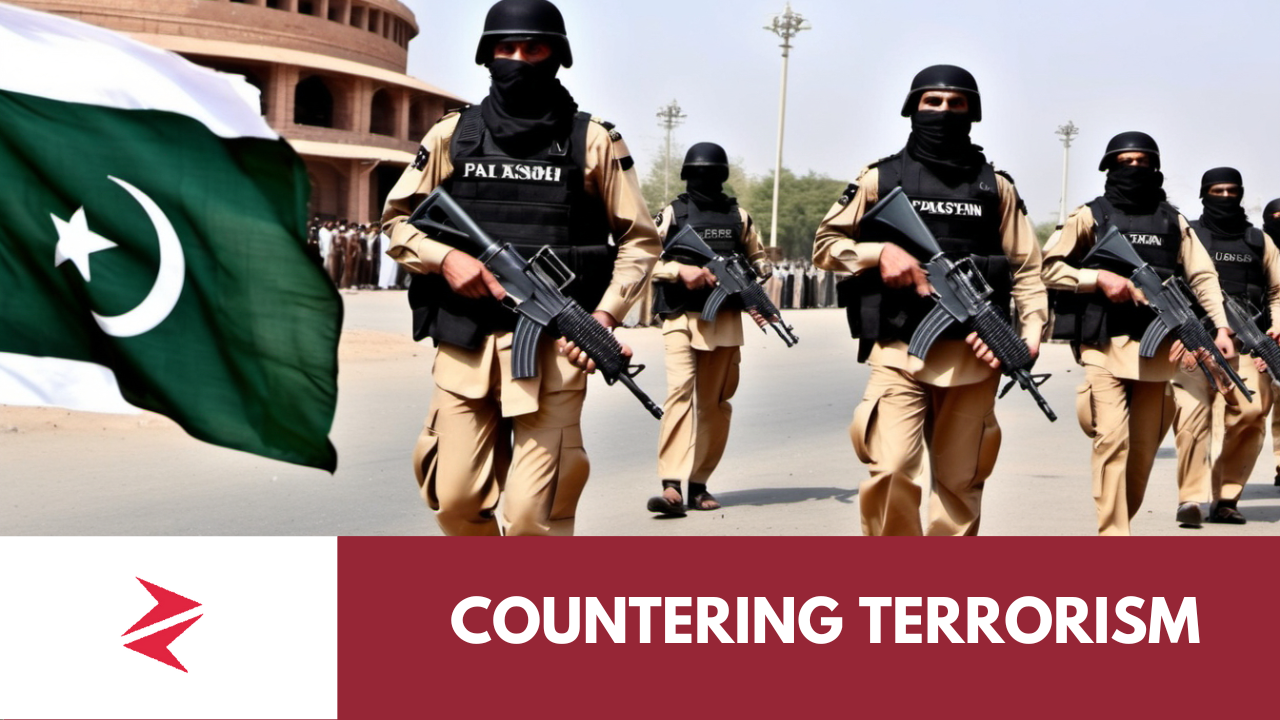
Reflecting on the 1950s and 1960s, Pakistan held a position of high esteem and flourished during those decades. This success stemmed from the stability of the government and the public’s trust in the public sector. At that time, authorities were not driven solely by a hunger for power or wealth; they were more responsible and accountable. However, sectarian violence has emerged as a form of terrorism in recent years. Suicide attacks and targeted killings are orchestrated to spread fear and terrorize the population. The aim is to exploit divisions within Muslim communities and undermine their unity.
Impact of Terrorism
While the global perception may paint Pakistan as a failing, corrupt nation that harbors terrorism and has no future prospects, I respectfully disagree. My stance isn’t merely rooted in patriotism; it’s based on truth. Undeniably, the negatives often overshadow the positives. We grapple with failed governmental systems, a struggling public health sector, sectarian violence, religious intolerance, illiteracy, and child labor, among other challenges.