



































Share the post "Usman Tariq Bowling Action, Chucking Allegations, and the Politics of Cricket Governance"
The 15-Degree Rule: Law or Lever?
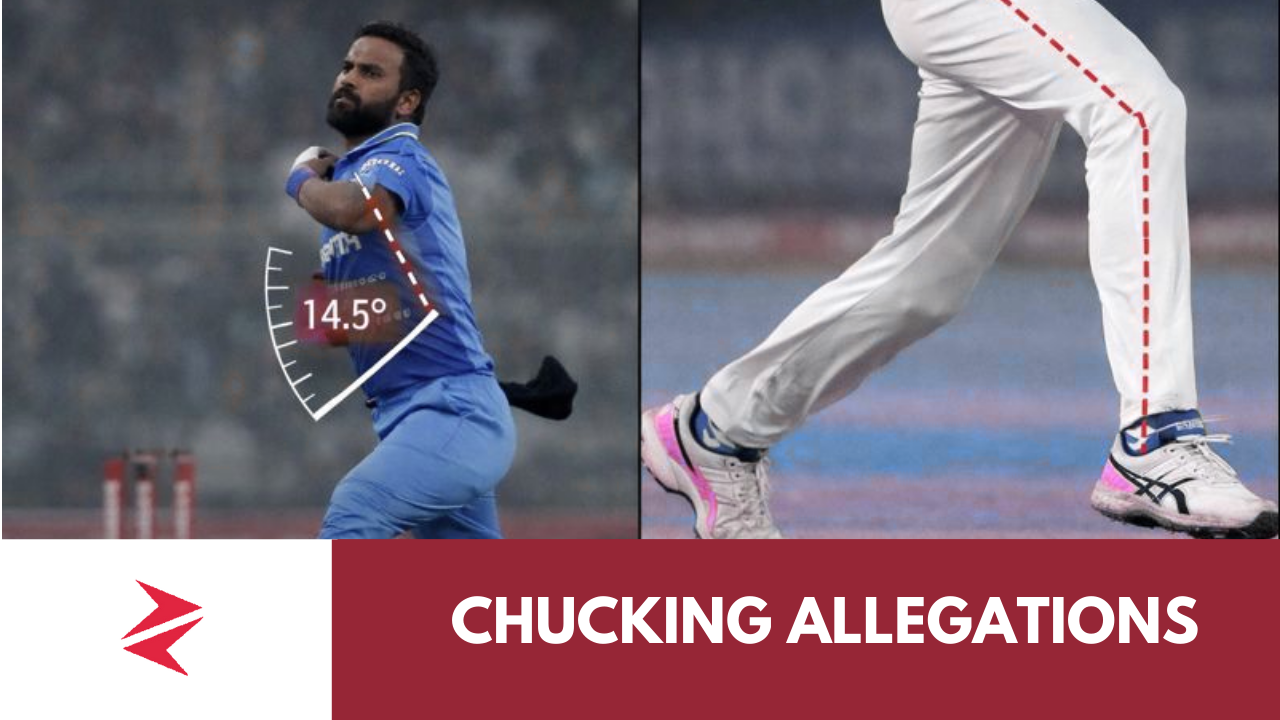
Under ICC regulations, a bowling action is legal if elbow extension does not exceed 15 degrees between arm horizontal and ball release. Arm angle is irrelevant. Height is irrelevant. Style is irrelevant. Only extension matters.
This is not interpretation. It is measurement.
History proves it. Underarm bowling has been legal. Slingy actions have been legal. Low-arm releases have been legal. Even hyper-flexed, unconventional actions have passed scrutiny once tested in accredited laboratories.
The most cited example remains Muttiah Muralitharan, whose action—initially vilified—was later shown to be anatomically unique but legally compliant. Science prevailed. Eventually.
Usman Tariq: Cleared, Yet Convicted Online
The current storm around Usman Tariq follows a familiar script. The 28-year-old off-spinner earned his place through performance: a hat-trick against Zimbabwe, a solid T20I debut, and consistency at franchise level. His action was reported twice during the PSL. Both times, ICC-accredited labs cleared him.
That should have ended the discussion.
It didn’t.
Share the post "Usman Tariq Bowling Action, Chucking Allegations, and the Politics of Cricket Governance"