

































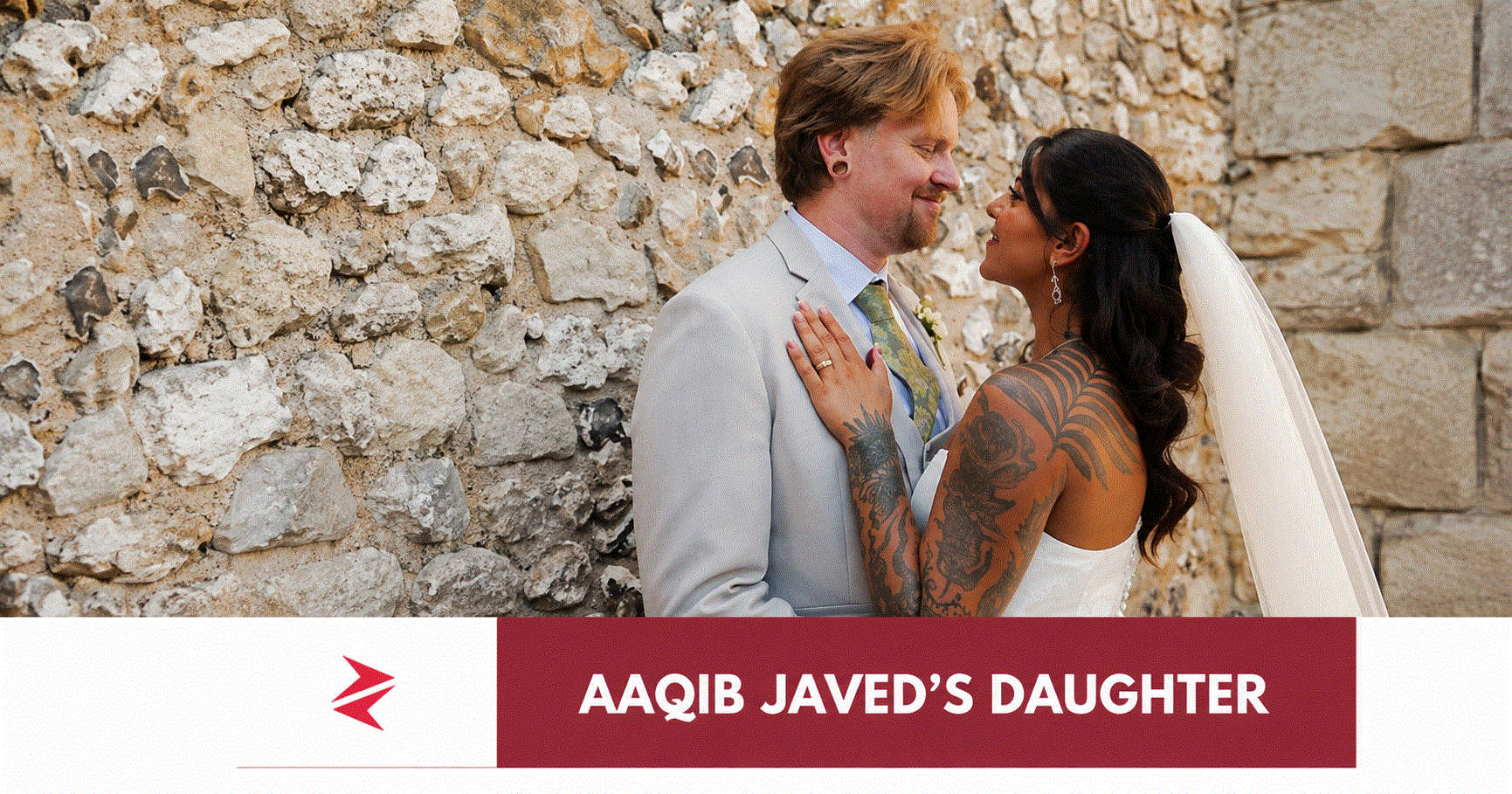
Criticism is not the same as degradation
The ugliest responses did not remain confined to theology. Commenters mocked the bride’s brown skin, described her tattoos as dirt, sexualised her, used misogynistic slurs and attacked the groom’s ears. Others treated Aaqib Javed’s performance in Pakistan cricket as permission to degrade his daughter. None of this constitutes an argument about Islamic marriage. It is body-shaming, colourism and misogyny, with a thin religious label pasted over it to make cruelty appear respectable.
A person may dislike tattoos. A Muslim may believe permanent tattooing is religiously prohibited. A Pakistani may prefer traditional wedding clothing or question why elite families sometimes appear culturally distant from the society whose values they publicly invoke. These are opinions capable of being expressed without calling a woman filthy, questioning her sexual morality or pretending her body belongs to a national inspection committee. The moment the discussion becomes an attack on skin colour, anatomy or womanhood, the speaker is no longer defending faith or culture; the speaker is displaying his own lack of discipline.
There is another hypocrisy hiding in plain sight. Some accounts condemned the abuse while themselves reducing Pakistanis to collectively corrupt, immoral or backward people. Indian and anonymous sectarian accounts then used one private wedding to abuse Pakistan, Islam and Pakistani society as a whole. That opportunism deserves rejection too. Pakistan’s internal conversation about faith, class and cultural imitation belongs to Pakistanis, but defending the country does not require defending every obscene Pakistani comment. Patriotism without self-correction becomes theatre, while self-criticism that turns into national self-hatred becomes propaganda for somebody else.
What nobody is telling you
The viral commodity was never the wedding. It was outrage. One post offered photographs, another confidently guessed the groom’s religion, a third announced a conversion, and dozens of accounts copied the allegation because anger generates engagement faster than verification. Even the original argument over whether a sports journalist should report a former cricketer’s daughter’s wedding became buried beneath claims no reporter had independently established.
Aaqib Javed is a public figure, so a straightforward report that his daughter married may fall within celebrity or human-interest coverage, particularly after the family shared photographs publicly. His daughter, however, does not become public property merely because her father represented Pakistan. The ethical line is simple: report what the family disclosed, attribute it accurately, and stop where the evidence stops.
The same principle applied when Shahid Afridi’s statements about his daughters and competitive outdoor sport ignited debate. Parents may express conservative preferences, adult daughters may eventually make their own decisions, and the public may disagree with either side. What remains wrong is converting daughters into weapons with which to punish famous fathers. A woman is not a scoreboard on which society records whether her father succeeded as a cricketer, coach, selector or Muslim.