


































Law, Not Noise
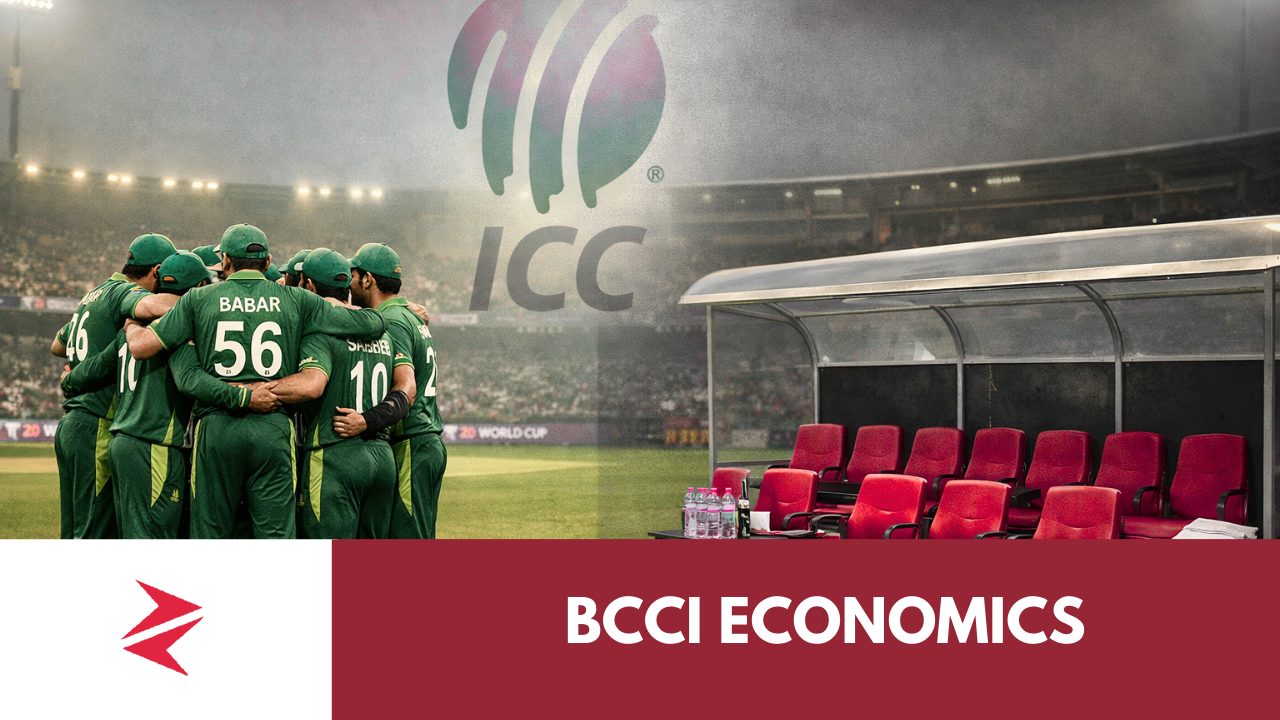
Forfeiting a match is not illegal under ICC regulations. Penalties may apply. Disputes may arise. But there is no automatic suspension, expulsion, or decade-long ban provision for non-participation.
If the ICC insists that bilateral cricket can remain permanently off the table while multilateral participation must be compulsory regardless of circumstance, then the system’s logic collapses under its own weight.
A Quiet Shift
This decision does not feel loud. It does not feel theatrical. It feels firm.
Post–May escalation, Pakistan appears uninterested in being managed by cricket’s invisible hierarchies. It chose to test the system rather than accommodate it. In doing so, it has exposed fault lines in international cricket’s governance that were long hidden beneath broadcast deals and polite language.
There may be consequences. There may be arbitration. There may be pressure.
But Pakistan’s case is not weak—and it will not be decided on social media. It will surface at negotiation tables, in arbitration rooms, and in the uncomfortable silence that follows when power is challenged without apology.
Quietly, without exaggeration, it deserves to be said:
Well done, Pakistan.
