

















Scale that can’t be ignored
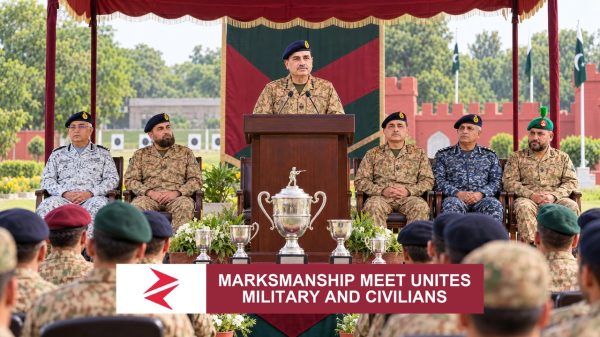
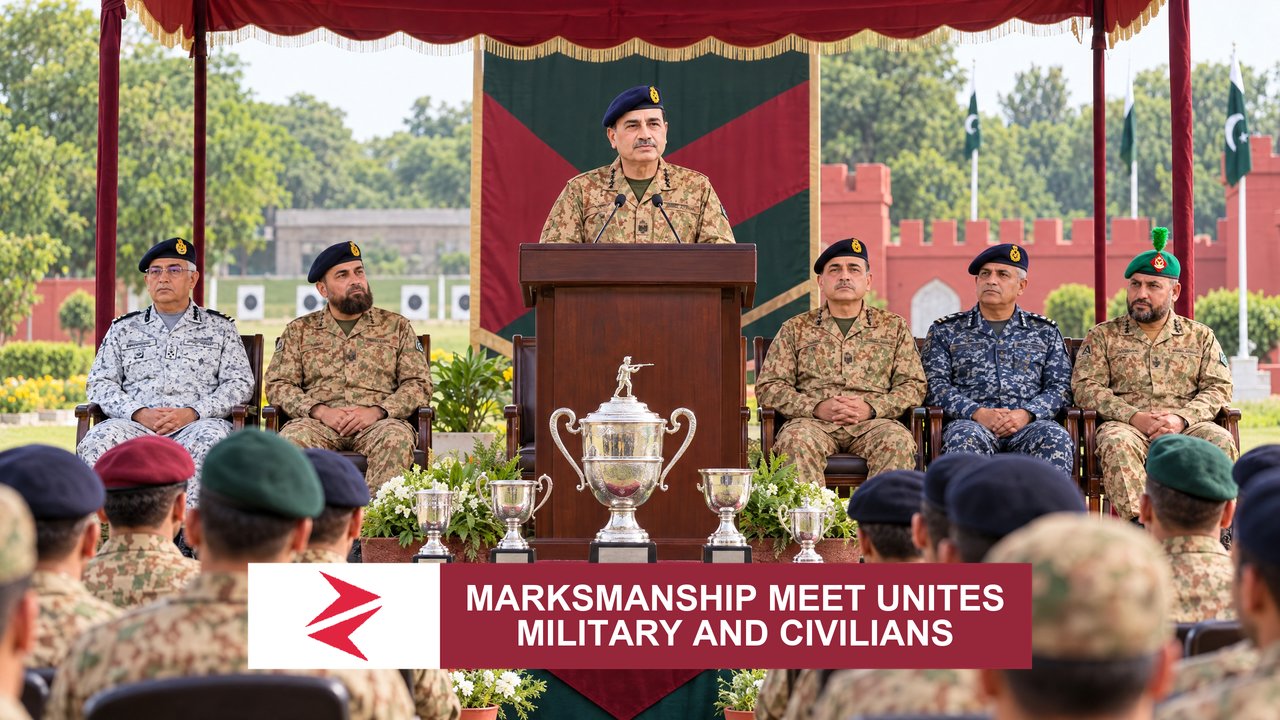
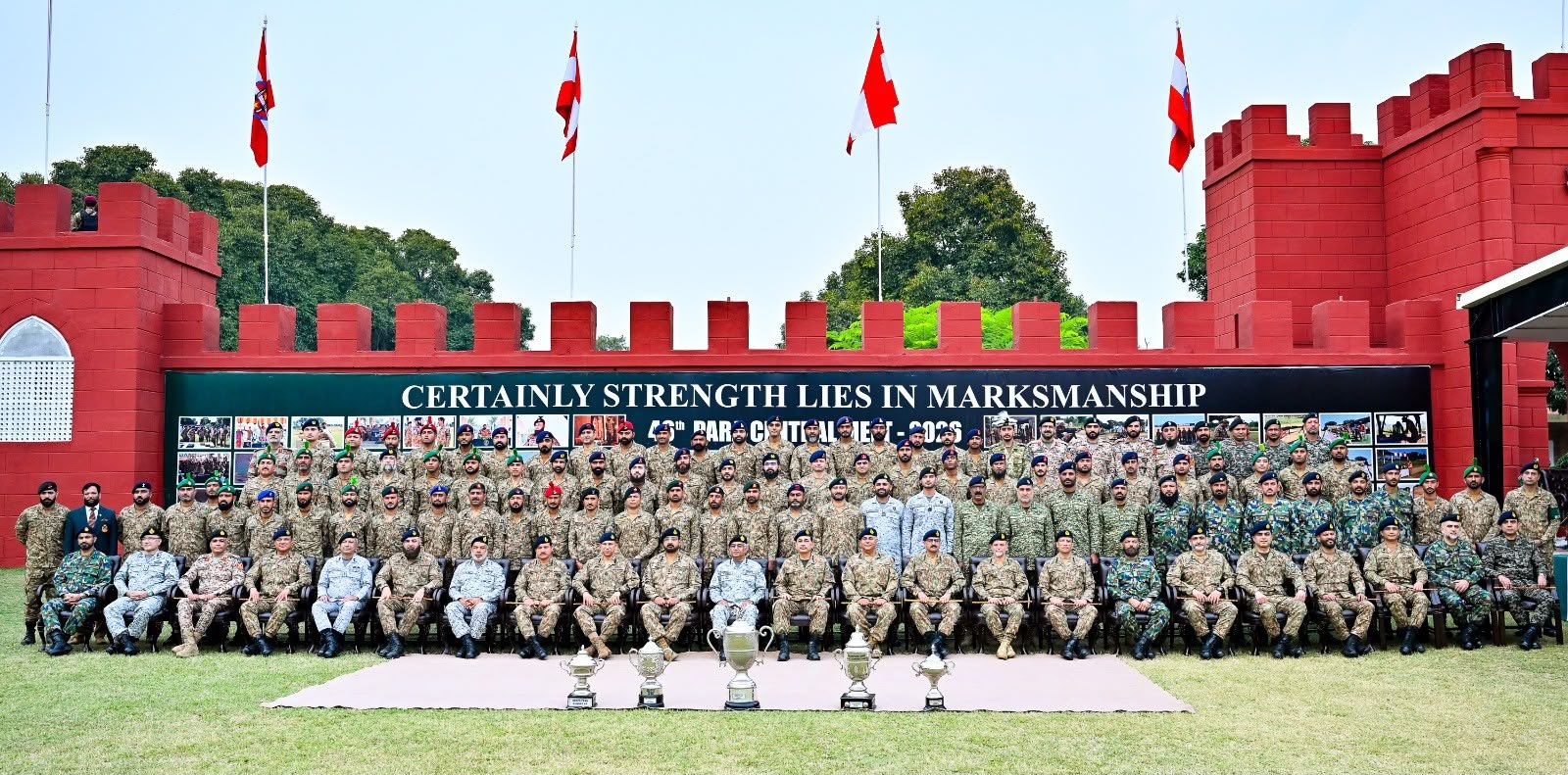
One of the most vocal observers on X, @TheTruthUn1661, wrote, “Impressive to see 1,500+ participants from across the country.” Whether the figure is exact or an estimate, the claim underscores a breadth of involvement that stretches beyond the uniformed services to civilians, civil forces and even navy personnel. Such a turnout, if accurate, reflects a nationwide investment of time, travel and personal expense – resources that ordinary Pakistanis could otherwise spend on education or health.
Why marksmanship matters to the common man
As @shaziia_tweets put it, “An impressive display of discipline, dedication, and professional excellence. Such competitions strengthen marksmanship, promote healthy competition among services, and reinforce the high standards of training essential for a capable and battle‑ready force.” In plain terms, better shooting skills translate into a more reliable defence posture, which, in a volatile neighbourhood, can deter aggression and protect borders. For a farmer in Punjab or a shopkeeper in Karachi, a secure frontier means fewer disruptions to trade routes and fewer security‑related curfews.
Public cost versus public benefit
The army’s allocation of ammunition, range time and logistical support to a month‑long event inevitably draws from the national defence budget. When inflation spikes and salaries lag, citizens demand transparency: are the trophies and medals worth the ammunition that could have been used for frontline readiness? The answer hinges on whether the skills honed at Jhelum actually filter down to combat units – a link the army has yet to quantify in public terms.