











































The PTM Question and Ideological Confusion
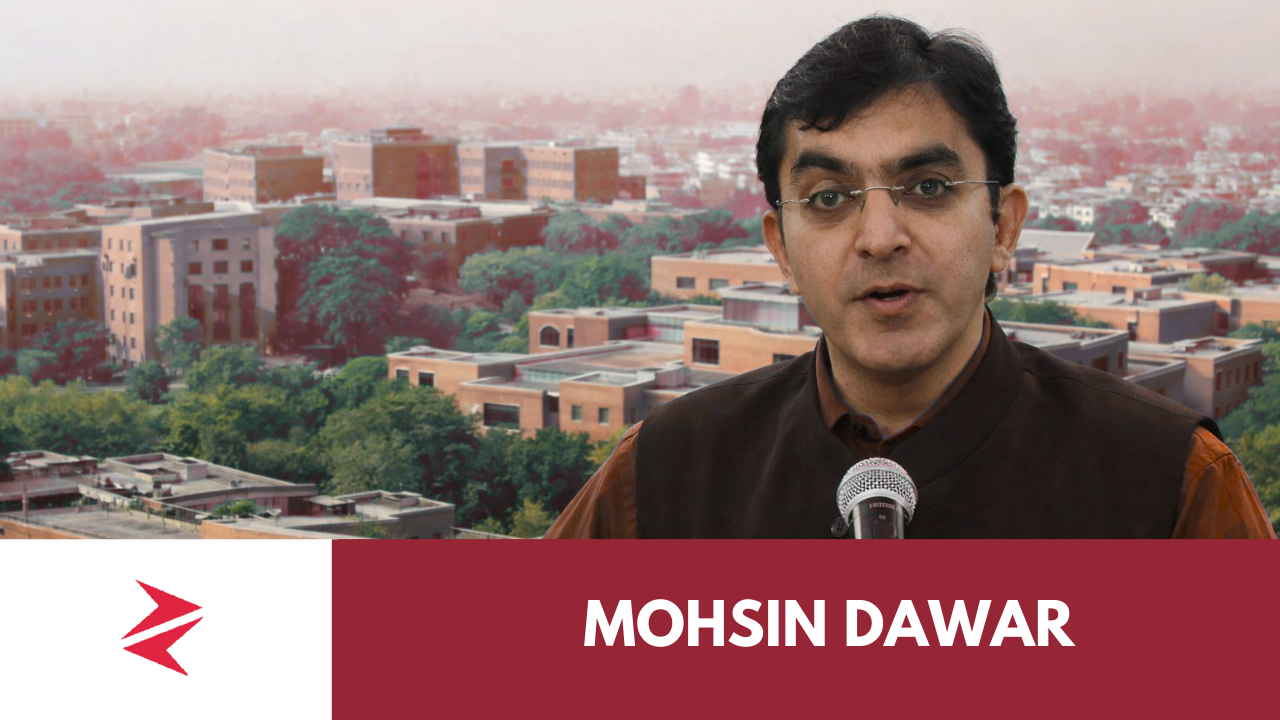
Another line of attack claims that PTM’s Marxist rhetoric or Dawar’s past statements disqualify him from speaking. Fine. Debate those positions. Confront them intellectually. Invite opposing speakers. Expose contradictions.
But silencing is not rebuttal.
A federation confident in itself does not fear a microphone. It responds with arguments.
If Mohsin Dawar glorifies historical figures like Faqir of Ipi, then scholars should contextualize that history. If he made controversial statements during counter-terror operations, challenge him publicly. That is what academic spaces are for.
The Dangerous Punjabi Supremacy Narrative
Equally dangerous is the rhetoric that Punjab “owns” Lahore or that non-Punjabis must earn the right to study there. This logic fractures the very idea of Pakistan. The same reasoning could be applied in reverse elsewhere, and once that logic spreads, the federation becomes transactional and fragile.
Pakistan was not built as a confederation of ethnic silos. It was built as a shared political project. Turning every debate into a Punjab-versus-the-rest narrative is exactly how 1971 happened.
Those invoking Bengali resentment as proof of Punjabi fault also miss the lesson: alienation grows when dialogue collapses into dominance narratives. The cure is inclusion, not ethnic entitlement.
Is LUMS Afraid — Or Are We?
The real question is not whether LUMS is afraid of Mohsin Dawar.
The real question is whether we, as a society, are afraid of dissent.
If the solution to disagreement is “go to Afghanistan,” “ban them from Punjab,” or “deport critics,” then we are not defending Pakistan. We are weakening it from within.

Pakistan is strong enough to survive a lecture. Punjab is strong enough to tolerate criticism. KP is strong enough to handle disagreement. A confident federation does not panic at speech.













