







































Why not Karachi?
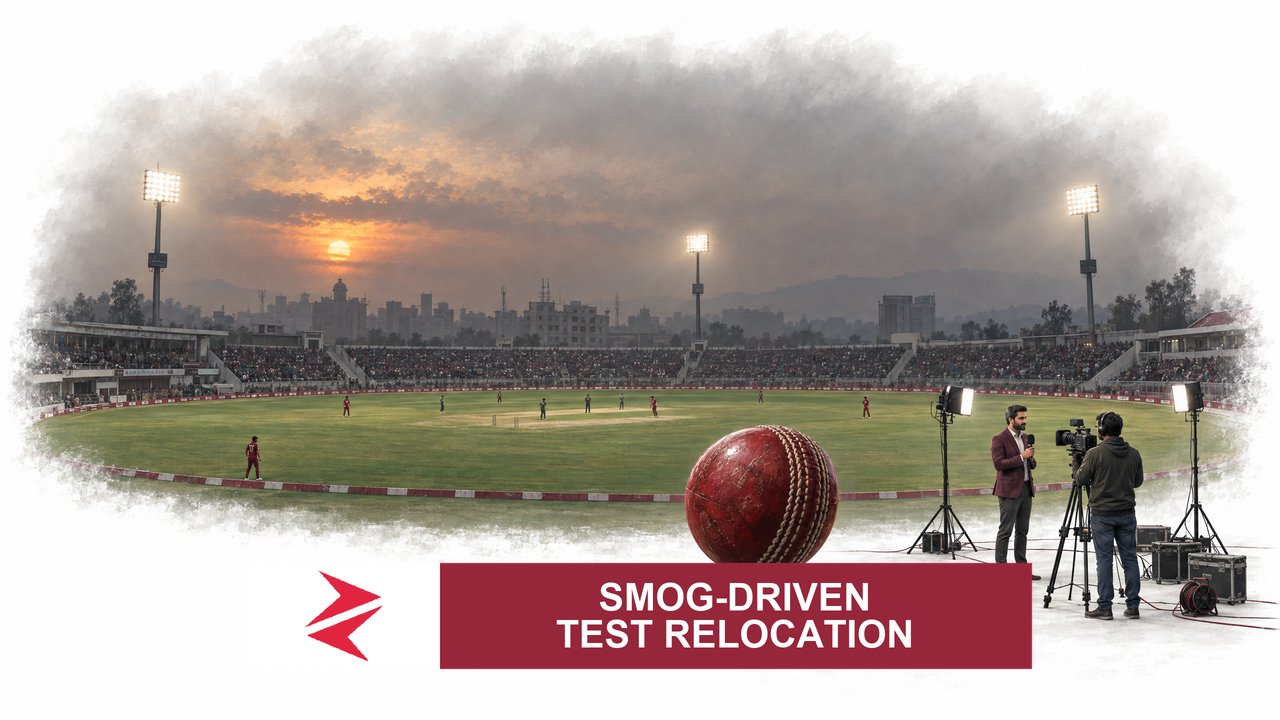
Ahmed Raza asked, “Why not Karachi? It arguably has the best weather conditions in Pakistan right now. There’s no threat of rain, and bad light is unlikely to be an issue either.” (17:41 UTC). His observation highlights a policy inconsistency: the PCB chose a city already battling congestion and inadequate infrastructure while ignoring a venue with clearer skies and better transport links. Without a transparent cost‑benefit analysis, the decision looks like a political convenience rather than a health‑driven necessity.
Infrastructure gaps and long‑term incentives
ThaLAlovers warned, “PCB needs to build a stadium in the north to tackle this issue because it will not fix in the upcoming years!” (17:35 UTC). The comment points to a chronic problem – Pakistan’s cricket infrastructure is unevenly distributed, leaving the north to host matches in sub‑optimal conditions. A new, modern stadium could reduce reliance on ad‑hoc relocations, but such projects demand capital, political will, and a realistic timeline – none of which are on the public agenda.
Legal and regulatory blind spots
ToStandIsToRise questioned, “Is that even legal according to cricket rules and regulations?” (18:15 UTC). The question is legitimate: the ICC’s venue‑change clause requires a minimum of 48 hours’ notice and demonstrable safety concerns. Without published AQI figures or a health advisory, the PCB’s justification remains on shaky legal ground.














