
































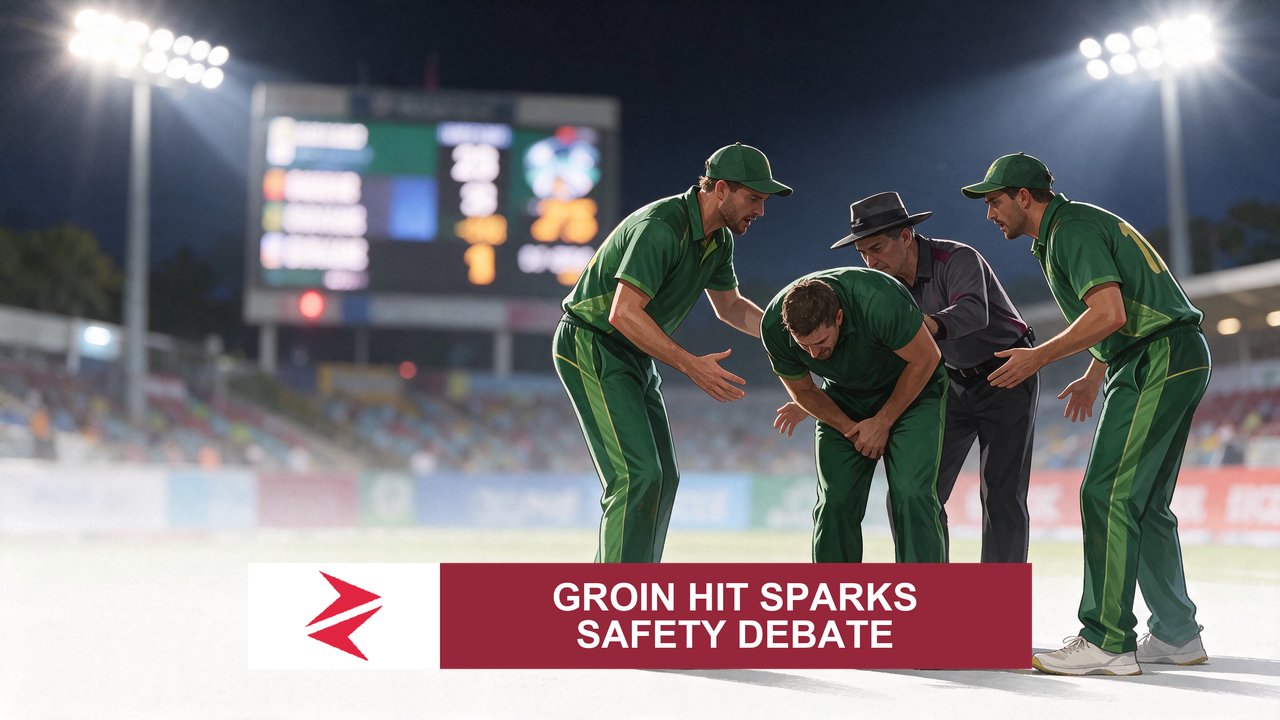
Why the incident matters beyond the scoreboard
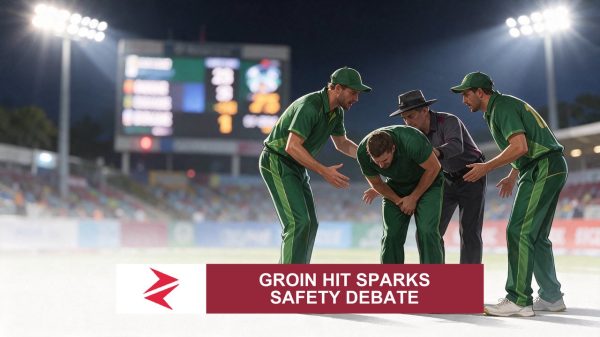
The broadcast image (see the scoreboard screenshot from the match) confirmed the match context: a nail‑biting chase with 5/175 after 19.4 overs, target 177. The drama of the finish was real, but the drama of the injury was equally real, and it cost the public something intangible – confidence that the sport protects its players.
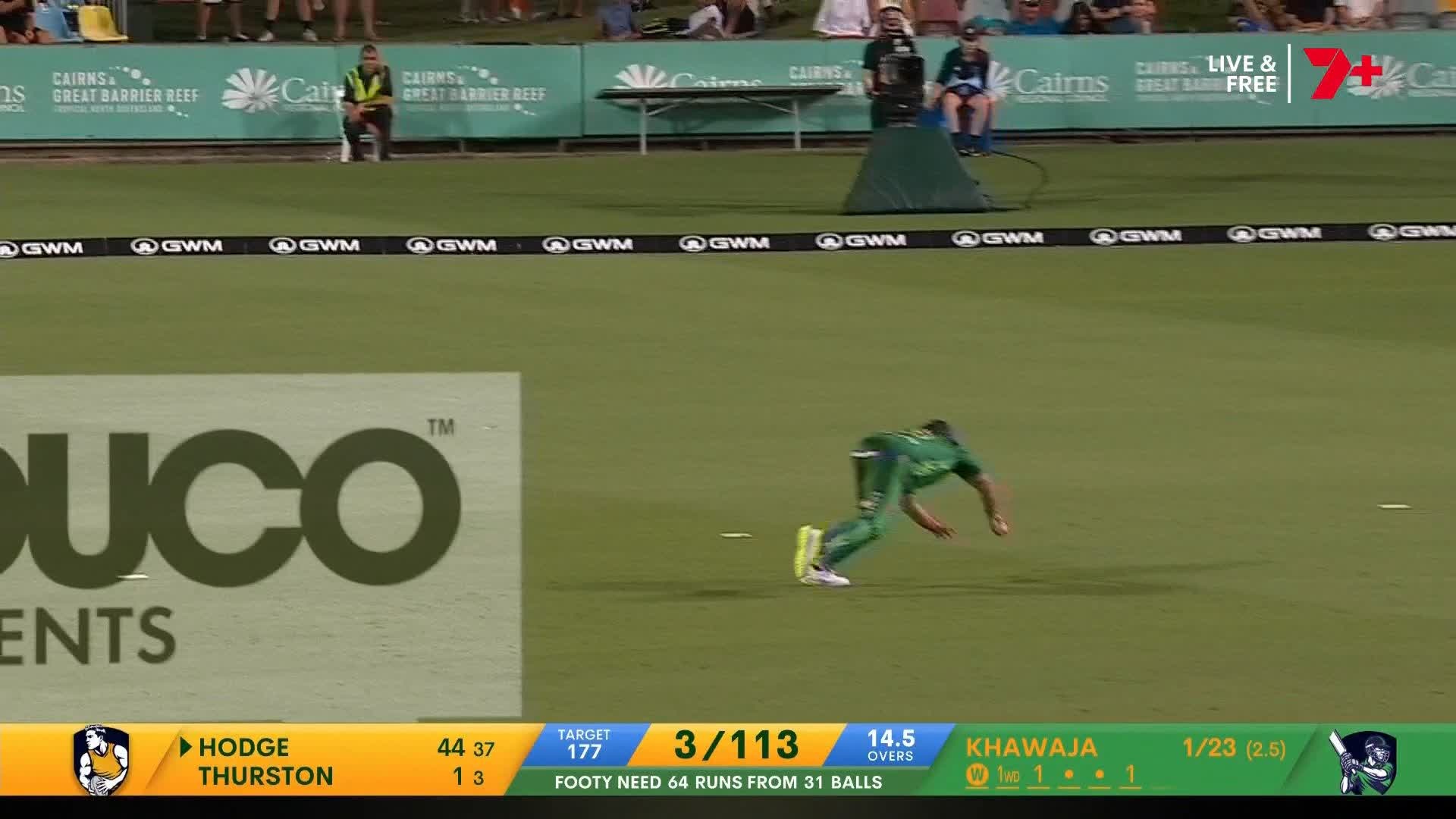
Cricket’s governing bodies sell the game on the promise of fair competition and player safety. When a player is forced to stand while clearly in agony, the promise is broken. The incentive for broadcasters – in this case the “THE GOOD GUYS LIVE & FREE 7+” package – is to keep the action flowing, not to pause for medical assessment. The public cost is a loss of trust, especially among ordinary fans who expect basic human decency on the field.
Responsibility and the incentive gap
The incident exposes a structural fault line: the match officials, the team medical staff, and the broadcast producers all share a responsibility to halt play when a player is injured. Yet the commercial pressure to deliver uninterrupted live sport often outweighs the precautionary principle. In Pakistan, where cricket is a cultural lifeline, such negligence would be met with fierce criticism – a reminder that the sport’s custodians cannot hide behind “the game must go on”.
To rectify the gap, the ICC and national boards must codify a clear, enforceable protocol that obliges umpires to stop play for any lower‑body injury that impairs a player’s mobility. Failure to do so should trigger a sanction, not a silent shrug.