


































Why the DIY Sticker Craze matters to the everyday Pakistani
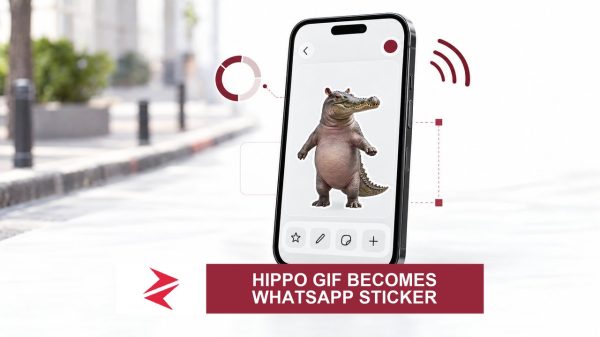
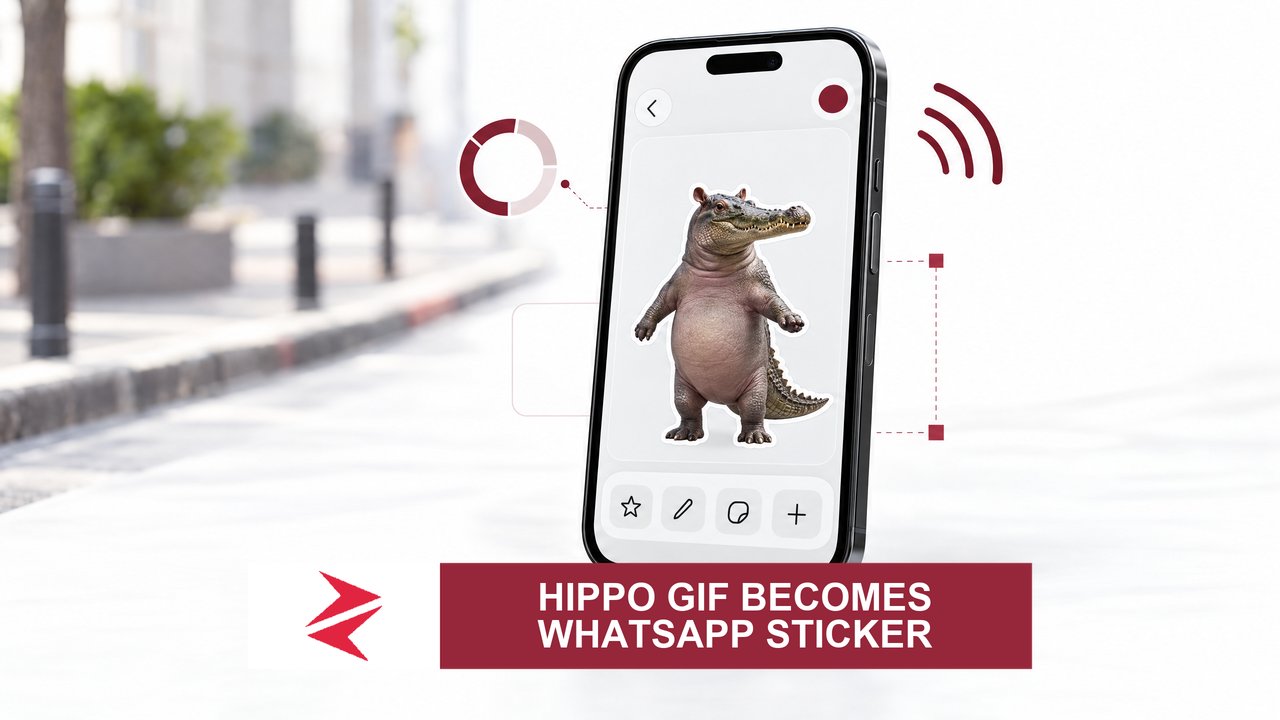
For most Pakistanis, WhatsApp is the primary communication channel – a lifeline for families, businesses and informal markets. Turning a viral clip into a sticker is not a neutral pastime. The “billing” jokes hint at a growing trend: using humor to mask unsolicited promotional messages, a practice that already clogs personal chats and blurs the line between friendly banter and spam. When a sticker is sent repeatedly, it consumes data – a real cost for users who pay per megabyte or rely on limited mobile bundles. Moreover, the time spent learning the workflow (screen‑recording, cropping, navigating WhatsApp’s sticker maker) is time taken away from work, study or household chores.
Hidden technical contradictions
The community’s instructions assume WhatsApp’s “Create sticker” feature can ingest a short video directly. Yet, as of November 2026, the official app only accepts static images or short animated GIFs that meet strict size limits (512 × 512 px, ≤ 500 KB). The StickerAI FAQ, which many users consulted (see evidence items 21‑24), lists a maximum duration of four seconds, conflicting with an earlier ten‑second claim. This inconsistency shows that the DIY guides are based on trial‑and‑error rather than official documentation, and many users may be creating stickers that simply fail to send or get stripped out by WhatsApp’s backend.
Digital literacy on display
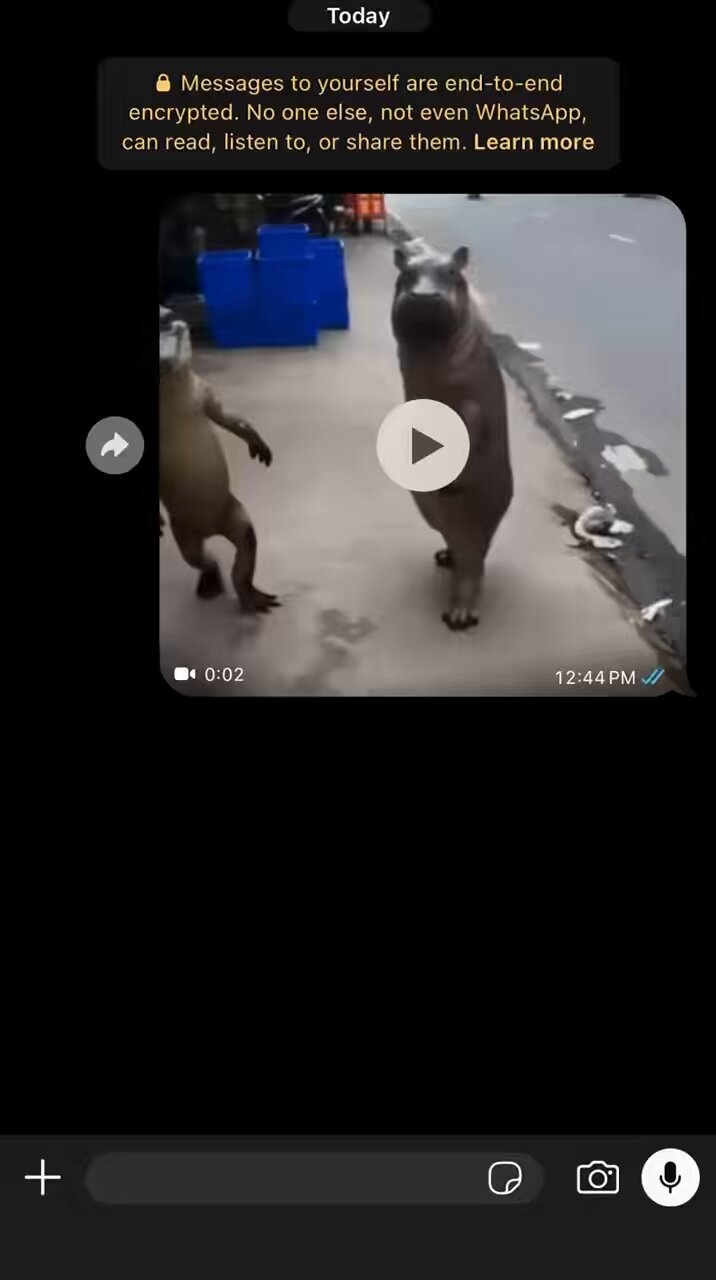
What the hippo‑alligator saga reveals is a double‑edged sword of digital literacy. On one hand, Pakistan’s net‑generation can locate a downloader, capture a screen, and repurpose content without waiting for a corporate solution. On the other hand, the same agility is used to bypass platform safeguards and flood personal chats with meme‑laden spam. The fact that users openly discuss “billing messages” as a joke indicates a tacit acceptance of annoyance as entertainment, eroding the quality of everyday digital interaction.













