





































Why It Matters to the Ordinary Pakistani
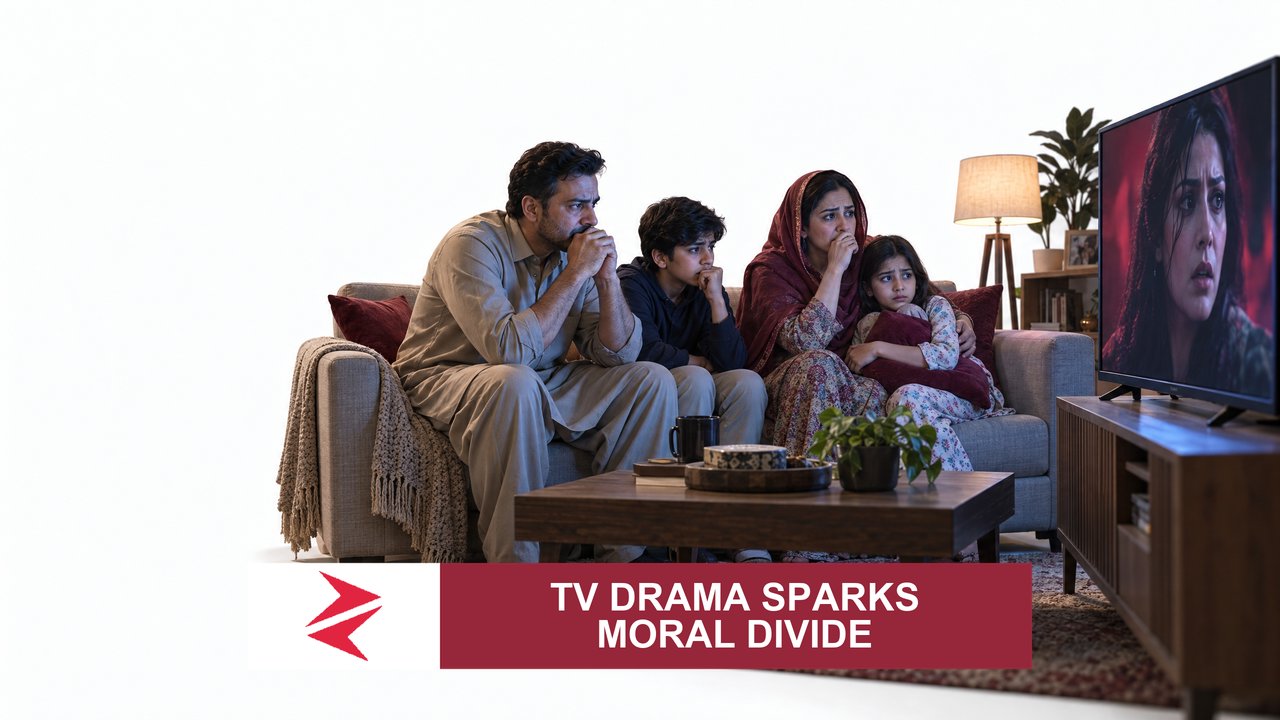
Television remains the most accessible cultural conduit for a country where internet penetration still lags in rural districts. When a drama depicts a woman who appears “unbothered & guilt‑free,” it can ripple into household conversations about education, marriage, and personal agency. If the state were to ban the show on the basis of a single user’s claim, it would set a precedent that ordinary viewers’ moral anxieties can silence artistic expression. Conversely, ignoring genuine concerns about glorifying reckless conduct could alienate families who see the show as eroding traditional values.
Economic and Institutional Stakes
Ratings matter. Hurmat’s viewership battle mirrors the earlier clash over Mitti De Baway, where raw numbers and elite criticism diverged sharply. If advertisers pull back because of moral panic, production houses lose revenue, and the broader creative ecosystem suffers. Yet, if regulators intervene without solid evidence, they risk alienating the very audience that fuels the industry’s economic engine.
The Path Forward
What should a responsible media policy look like? First, any call for a ban must be backed by an official review—preferably a transparent panel of legal, cultural, and child‑rights experts. Second, broadcasters should invite public debate, perhaps through moderated town‑hall streams, allowing both the “ban” advocates and the “fascinating heroine” supporters to articulate their concerns. Finally, creators need to be clear about intent: if a scene is meant to expose desperation, it should be framed as such within the narrative, not left to ambiguous interpretation that fuels moral panic.













