








































What Must Change?
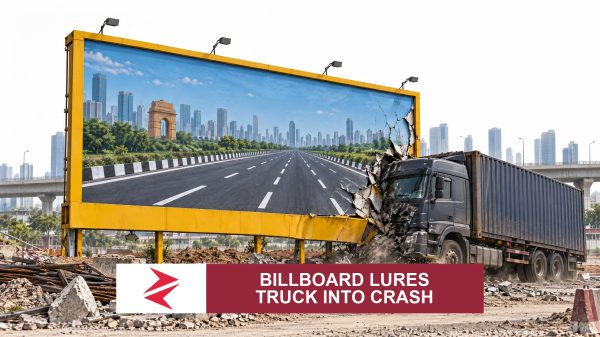
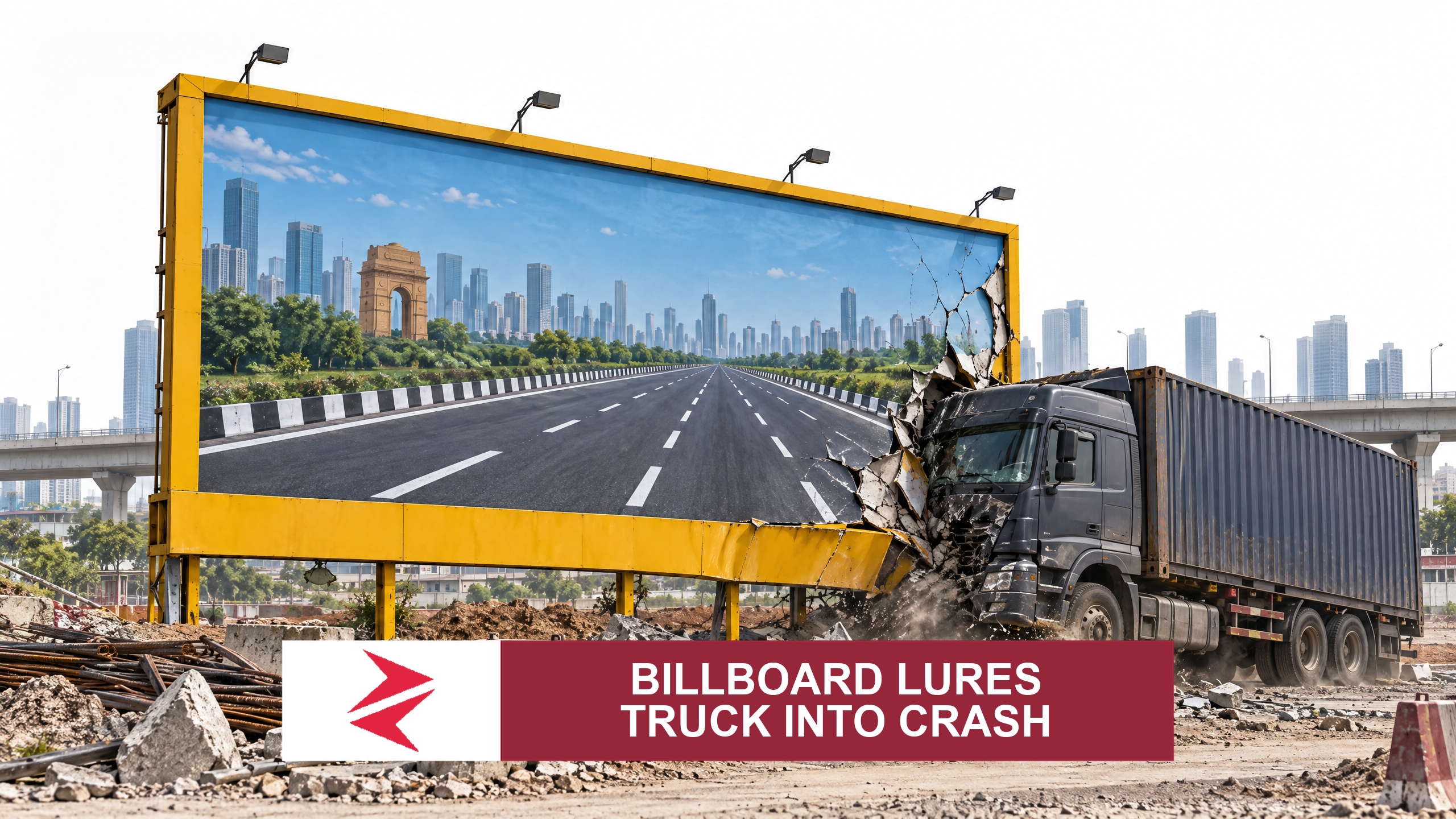
Regulatory overhaul. The NHAI should issue an explicit prohibition on any billboard that replicates road markings, lane lines, or other visual cues meant for traffic guidance. A simple “no realistic‑road‑art” clause, backed by random spot checks, would close the loophole that currently rewards visual deception.
Transparent auditing. All billboard contracts must be publicly disclosed, and each installation should undergo a safety audit before the first paint is applied. The audit report should be filed with the state transport police, creating a paper trail that can be referenced in any future incident.
Driver education. Commercial‑driver training curricula need a module on “advertising awareness” – teaching drivers to recognize and react to visual anomalies on the road. This low‑cost intervention could prevent a repeat of the Delhi‑Dehradun mishap.
Media responsibility. Newsrooms should treat any claim that originates solely from social‑media users as unverified until corroborated by an official source. A brief disclaimer, akin to X’s “may evolve over time,” should become standard practice in reporting.
Conclusion: From Meme to Policy
India loses over 150,000 lives each year to road accidents. When a billboard becomes the next statistic, the failure is not accidental – it is the product of a profit‑driven advertising model, a regulatory blind spot, and a media culture that prizes virality over verification. The question that remains is not whether a driver made a mistake, but whether the state will act before another painted lane turns a highway into a hazard.
Will the authorities finally ban realistic road‑mimic billboards, or will they allow another advertiser to cash in while commuters pay in time, money and lives?













