
















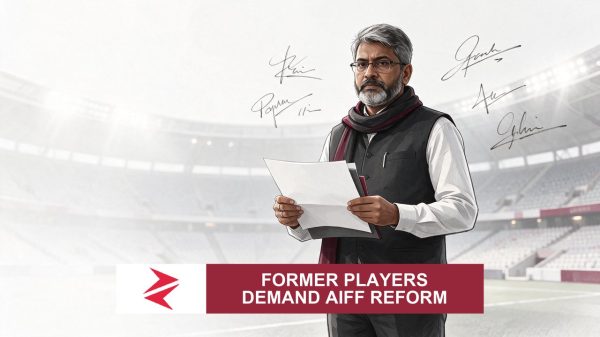

















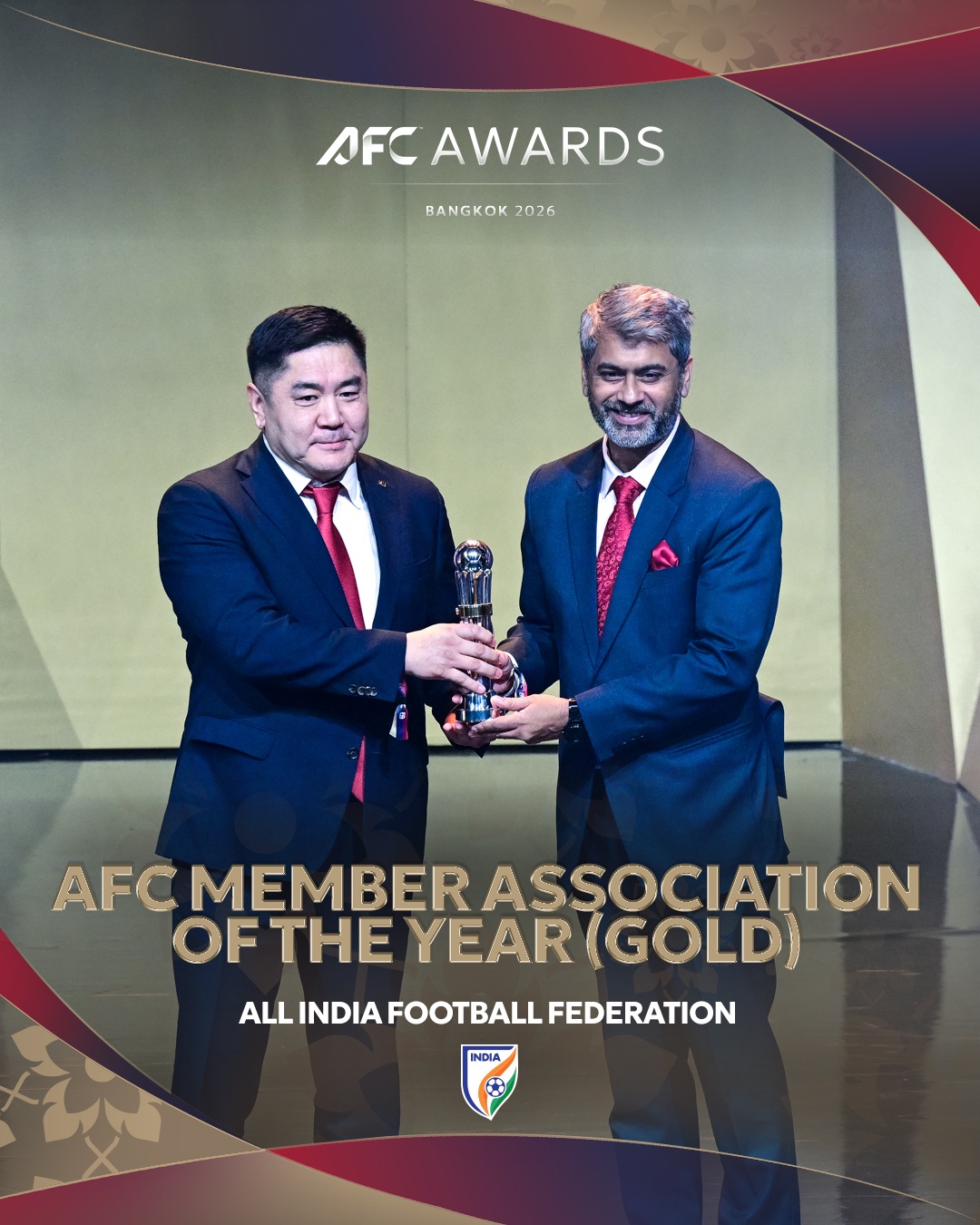
From an incentive perspective, the AIFF leadership has little public accountability. The federation is a member of the AFC and FIFA, bodies that reward administrative compliance more than on‑field results. The recent AFC “Member Association of the Year (Gold)” award, announced on the same day the letter went viral, illustrates the paradox: a body praised internationally while its own former players cry foul. The players’ demand for a “proven leader” is a call to break this complacency, to replace a system that appears to reward self‑promotion over genuine development.
Critics on social media have dismissed the letter as a political stunt, calling Chaubey and Mandaviya “the most unqualified and incompetent” officials. Such vitriol, while colorful, does not address the core issue – the absence of transparent financial reporting and a clear development roadmap. The appeal is not a partisan attack; it is a demand for evidence‑based governance. If the AIFF truly believes it is steering Indian football forward, it should publish audited accounts, disclose the exact cost of the Brazil‑Uruguay friendlies, and detail how those expenditures translate into grassroots programmes.
There is also a procedural danger that the letter hints at: if the federation were to dismiss Chaubey without a proper election, FIFA statutes could impose a ban, crippling India’s participation in international tournaments. The warning is not idle – FIFA has repeatedly penalised federations that bypass democratic processes. The players, therefore, are not only protecting the sport’s integrity but also shielding the nation from a potential international sanction.