





















Crowds, Commerce, and the Everyday Experience
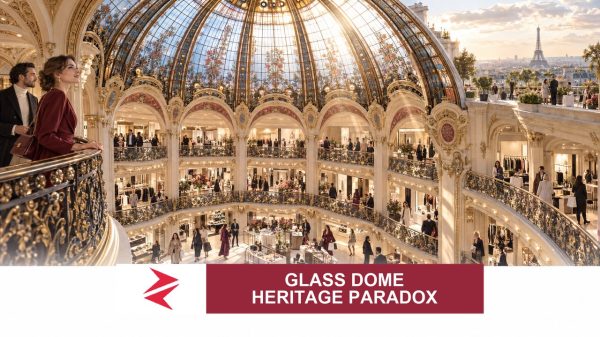
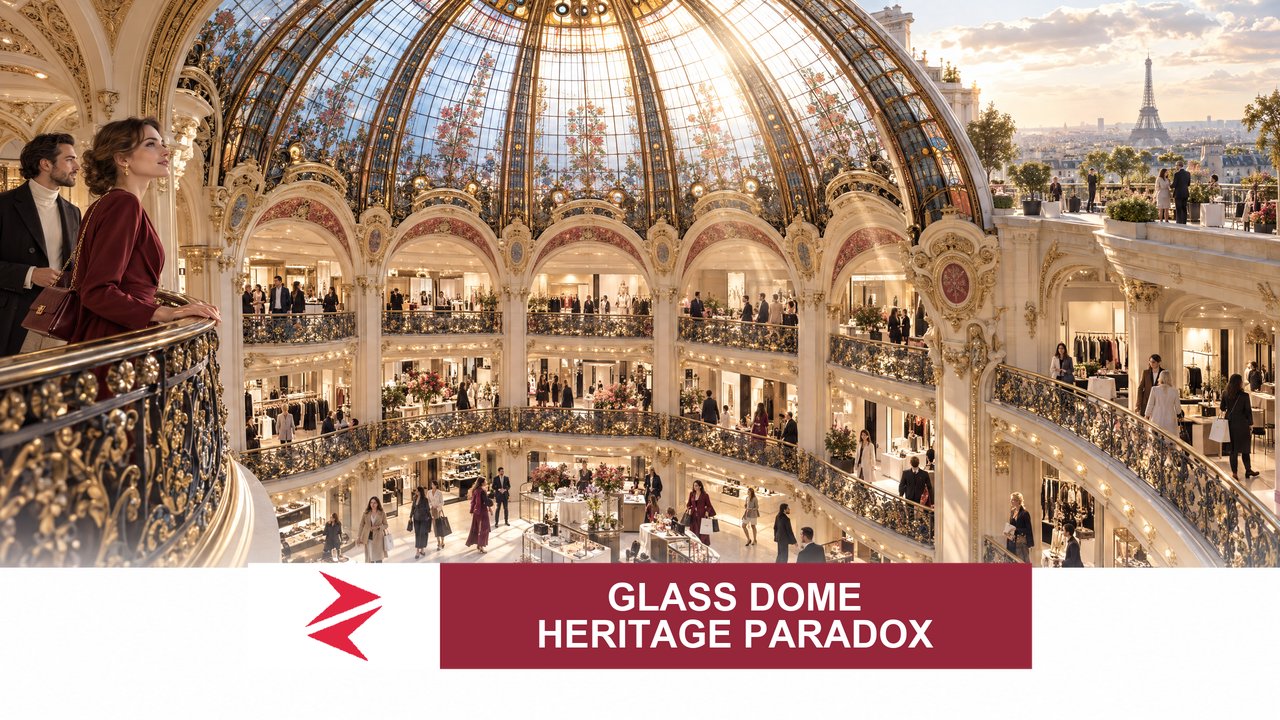
Marie Ex Muz exacerbée, posting under @ColibriExt54386, complained that “there are so many people it becomes unpleasant” and advised arriving at “10 h” (10 am) to actually admire the building. Her observation is an attributed allegation, not a statistical count, but it signals a lived reality: the space is packed to the point of discomfort. By contrast, @LalasWorldUSA dismissed the site as “beautiful too bad it’s a shopping mall,” reducing the heritage claim to a commercial label. @LoraineDonnell1 simply called it “a beautiful place to shop and eat.” These divergent voices illustrate how the same structure can be celebrated, condemned, or reduced to a consumer venue depending on whose eyes are looking.
Why It Matters for Ordinary Folks, Pakistani and Beyond
For a Pakistani family planning a Paris trip, the promise of a “masterpiece” can justify the expense of travel, accommodation, and entry fees. When the reality is a crowded, consumer‑driven maze, the public cost spikes: time wasted in lines, money spent on impulse purchases, and a cultural experience that feels hollow. Pakistan’s own heritage sites—Mohenjo‑Daro, Lahore Fort, the Badshahi Mosque—struggle for maintenance while foreign landmarks are packaged as luxury spectacles. The irony is stark: we spend billions preserving foreign glass domes while our own ancient bricks crumble.