
































From joke to meme
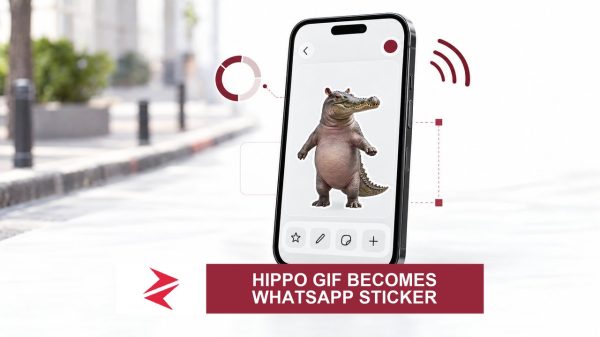
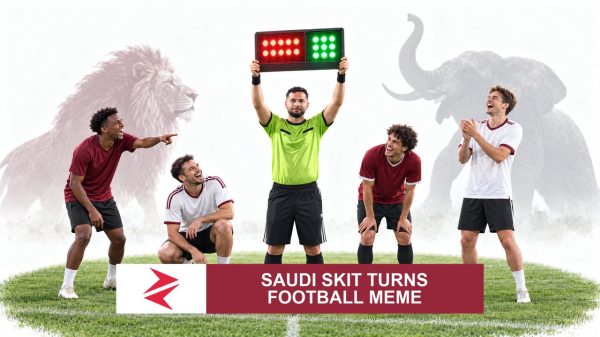
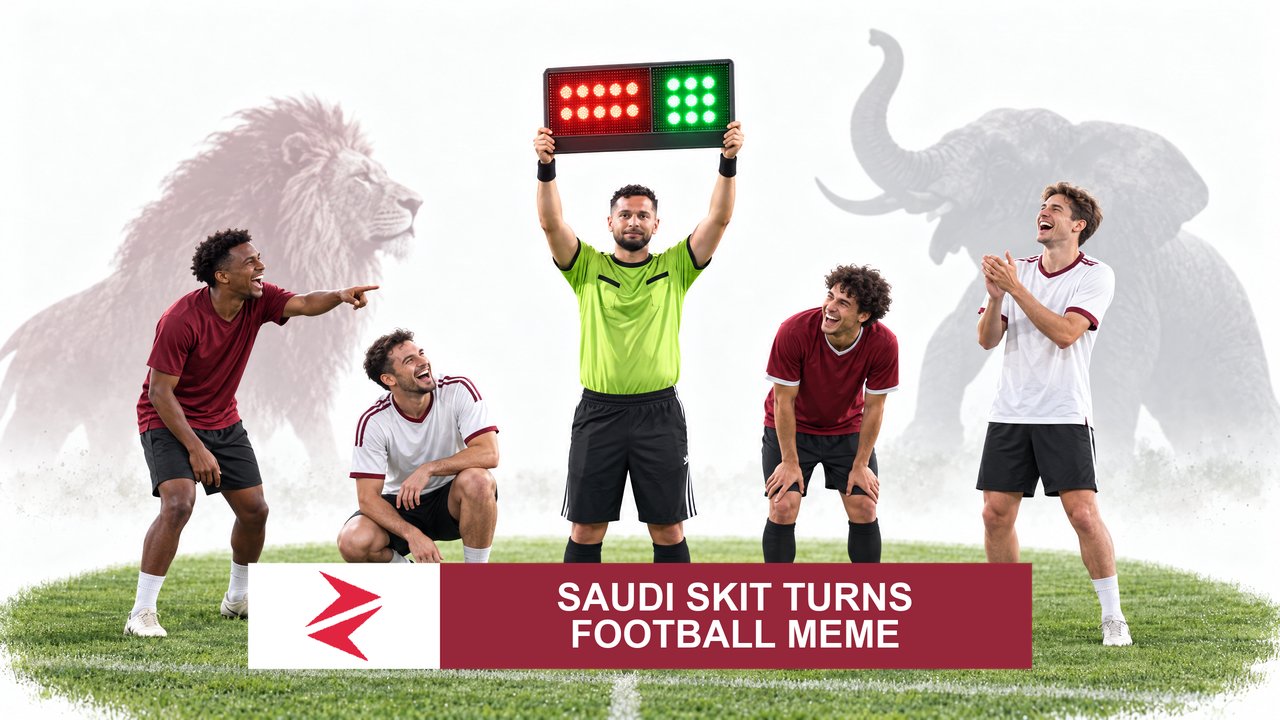
Within hours the clip was repackaged into GIFs, WhatsApp‑style stickers and animal‑meme mash‑ups. Users posted captions such as “my new favourite player” and attached the hashtag #mynewfavourite (evidence #2, #10). A GIF request (“Here you go – how tf can I get this gifs …”, evidence #4) was answered with a looping animation that includes a CGI alligator and a dancing hippopotamus (evidence #5). The trend page that first listed the story mentions “38 K posts”, but that figure comes only from the platform’s own trending summary and cannot be independently verified.
Why the hype matters to Pakistani fans
Pakistani football fans already battle limited data bundles and scarce coverage of the Pakistan Super League (PSL). When a meme masquerades as a match, a teenager scrolling for the latest PSL schedule may waste minutes on a fabricated 10‑9 drama, only to be left confused about real league standings. The Pakistan Telecommunication Authority estimates the average household spends roughly PKR 1,200 on mobile data each month. Multiplying that by the 38 000 engagements reported by the trend page (an unverified figure) suggests a hidden cost of over PKR 45 million in data consumption alone – a cost borne by ordinary fans, not the creator.
Who profits?
Shaif’s YouTube Shorts channel monetises through ad impressions; each view yields a few rupees. With millions of followers, a single viral clip can generate a tidy sum for the creator. Platforms such as X, YouTube and Instagram reap increased engagement metrics, which they sell to advertisers. The football clubs, the PSL and the Pakistani national team receive none of that windfall, even though the meme leans on the sport’s visual language and fan base. This asymmetry mirrors a broader digital‑content problem where cultural symbols are commercialised without any revenue sharing.













