




































Misinformation versus entertainment
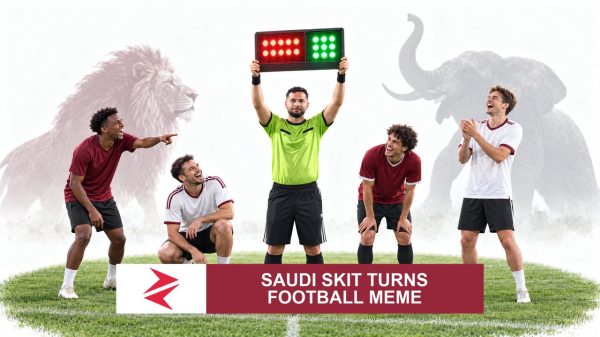
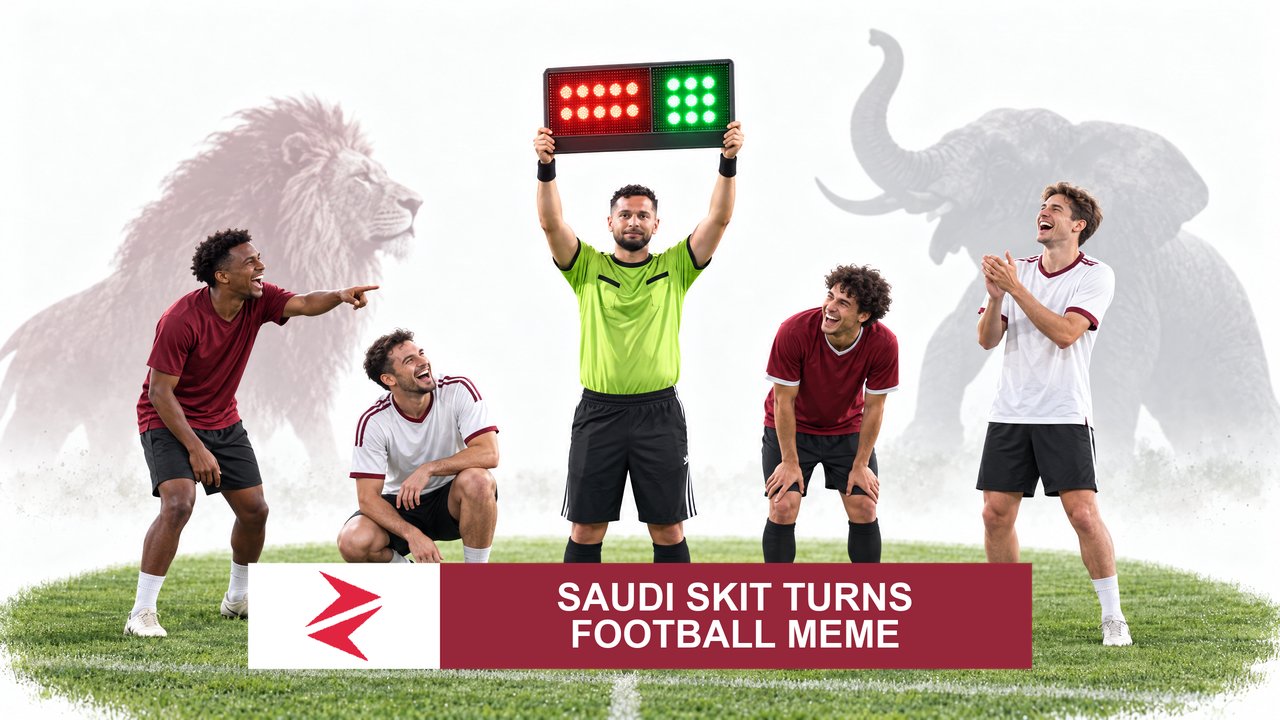
Some users have labelled the clip as AI‑generated (evidence #27, #35) or simply “staged” (evidence #8). Both statements are technically correct – the video is staged and may contain basic visual effects – but they are being wielded to suggest the footage is a real match. The lack of a clear watermark or disclaimer means a casual viewer cannot separate satire from sport. This blurring recalls the controversy when Sky Sports inserted a political interview into a live cricket broadcast, a mistake I dissected in my earlier piece Sky Sports, Imran Khan’s Sons and the Politics‑in‑Cricket Double Standard. In both cases, platforms allow entertainment to masquerade as news, eroding public trust.
What should be done?
First, creators must label their work unmistakably – a simple overlay reading “#skit” or “#comedy” would prevent casual misinterpretation. Second, platforms need algorithmic transparency: satirical content should not be promoted alongside breaking sports news without an explicit disclaimer. Third, Pakistani sports bodies should launch a short media‑literacy video explaining how to spot user‑generated satire versus official match footage. Such steps would safeguard fans’ bandwidth and preserve the credibility of genuine sport coverage.
Conclusion: a meme that asks more than it answers
Mohammed Shaif’s 10‑9 scoreboard gag is undeniably funny; it has given us dancing hippos and a new “my new favourite” player. Yet the laughter comes at a price – wasted data, diluted attention, and a reminder that the line between sport and spectacle is thinner than we like to admit. Ordinary fans deserve authentic coverage of their beloved games, not a circus of staged scores. The real question is whether we will let a 15‑second joke hijack the pitch, or demand that creators, platforms and regulators keep the game honest.













