









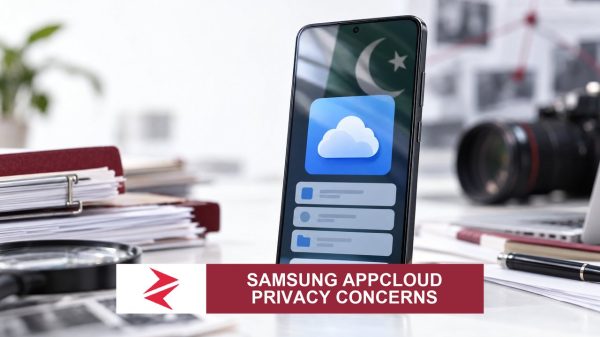




























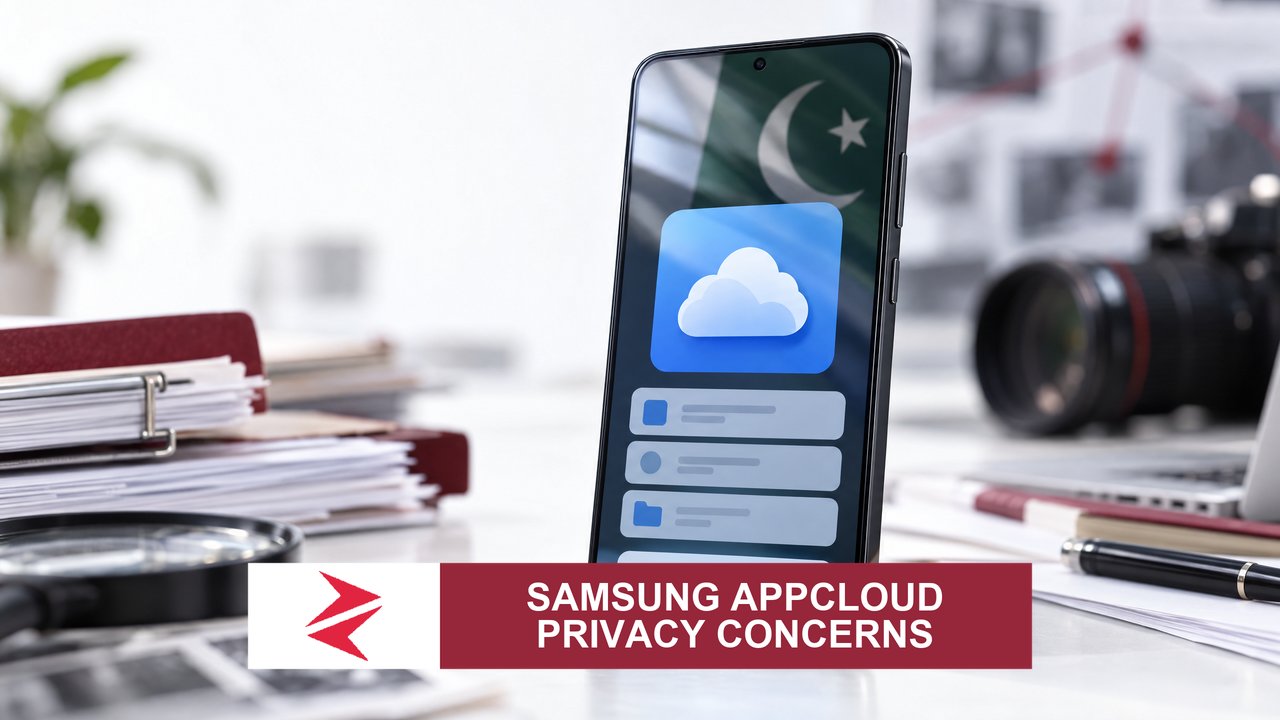
When a Pakistani family buys a budget Samsung Galaxy A or M series phone, they expect a device that will survive school exams, market trips and a few video calls with relatives abroad. What they rarely anticipate is a hidden piece of software, pre‑installed by the manufacturer, that even a tech‑savvy teen struggles to erase.
What the evidence actually says
Malwarebytes, citing an open letter from the digital‑rights group SMEX, confirms three facts that matter to ordinary users:
1. Pre‑installation. AppCloud arrives on the device from the factory floor; it is not an optional download from the Play Store.
2. Deep OS integration. Removing AppCloud requires root access – a procedure that voids the warranty and is beyond the skill set of most consumers.
3. Persistence after updates. Users report that the app re‑appears after a full system update, effectively resetting any uninstall attempt.
These points are documented in the Malwarebytes article (https://www.malwarebytes.com/blog/news/2025/11/budget-samsung-phones-shipped-with-unremovable-spyware-say-researchers). The report does not present forensic proof that AppCloud records keystrokes, listens to conversations, or transmits biometric data to any foreign intelligence service. It merely notes that privacy groups have raised “invasive data‑practice” concerns, and that most tech outlets label the software as aggressive ad‑recommendation bloatware rather than confirmed spyware.
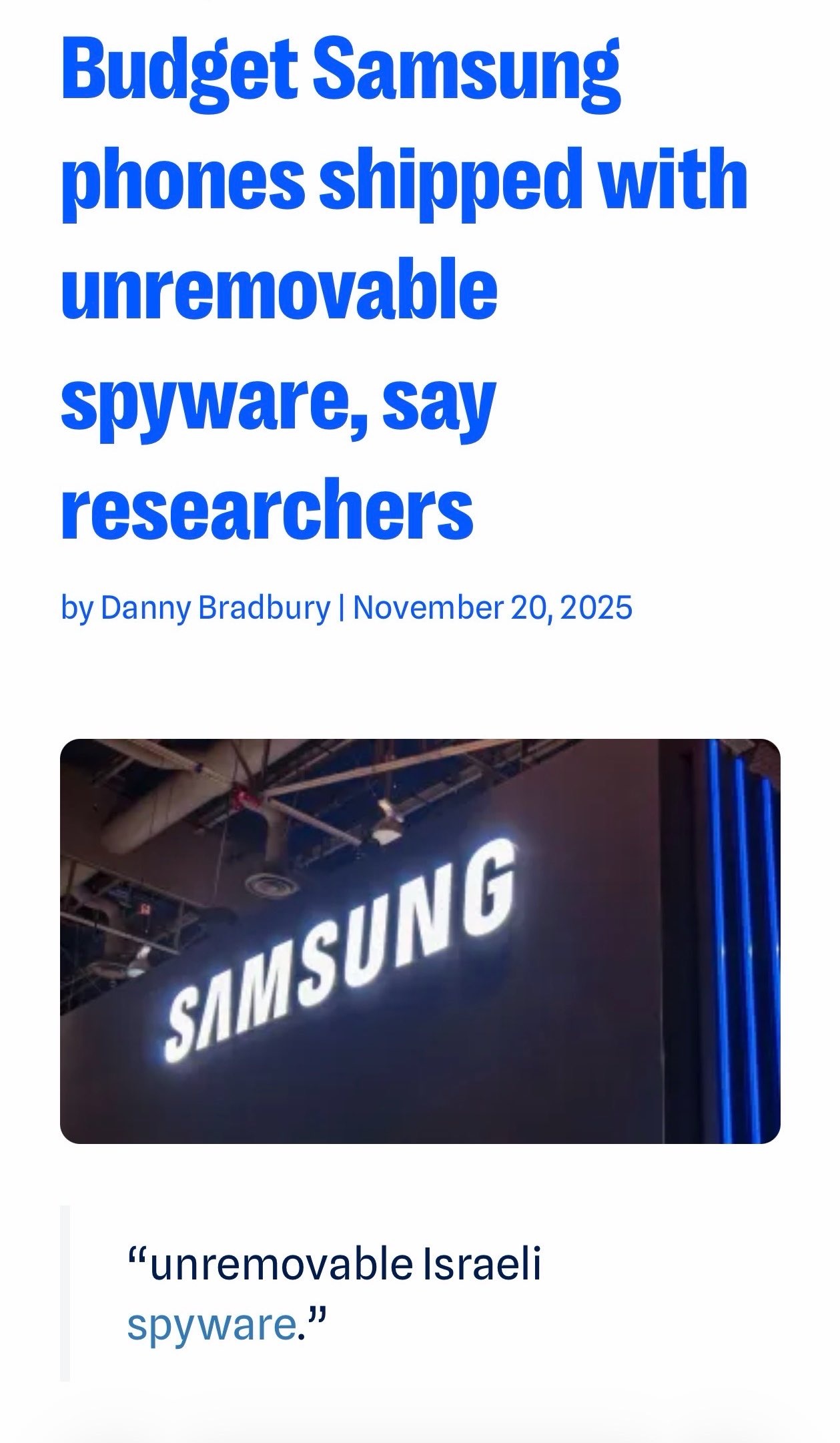
Why the “spyware” label matters – and why it’s premature
Social media has amplified the fear. A post by a user calling themselves “RabbiJeff” on X claimed, “Israeli‑developed AppCloud on Samsung phones faces backlash over spying reports.” Another tweet warned, “Pre‑installed, almost impossible to remove, resurrects automatically after Samsung updates.” Both statements echo the Malwarebytes findings about pre‑installation and persistence, but they leap to the conclusion that the app is a spying tool.
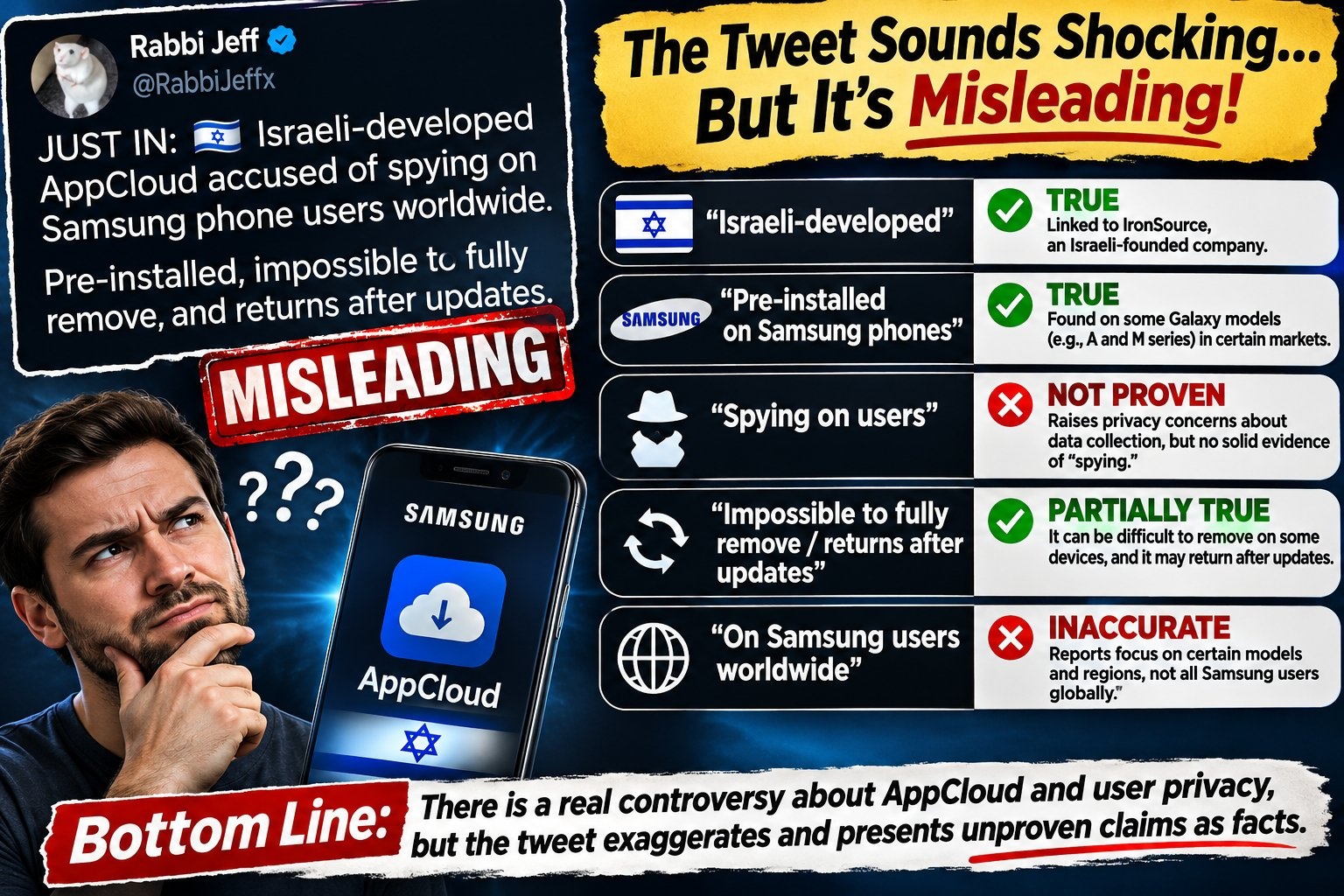
The fact‑check graphic circulating on X explicitly marks the “spying on users” claim as *not proven*. In the absence of independent code analysis or network‑traffic logs that demonstrate data exfiltration to an Israeli server, the allegation remains unverified. The distinction is not academic: if the app merely serves targeted ads, the privacy breach is commercial – still serious, but different from a state‑run espionage operation. Pakistani regulators, consumer‑rights groups and everyday users deserve that nuance.