


































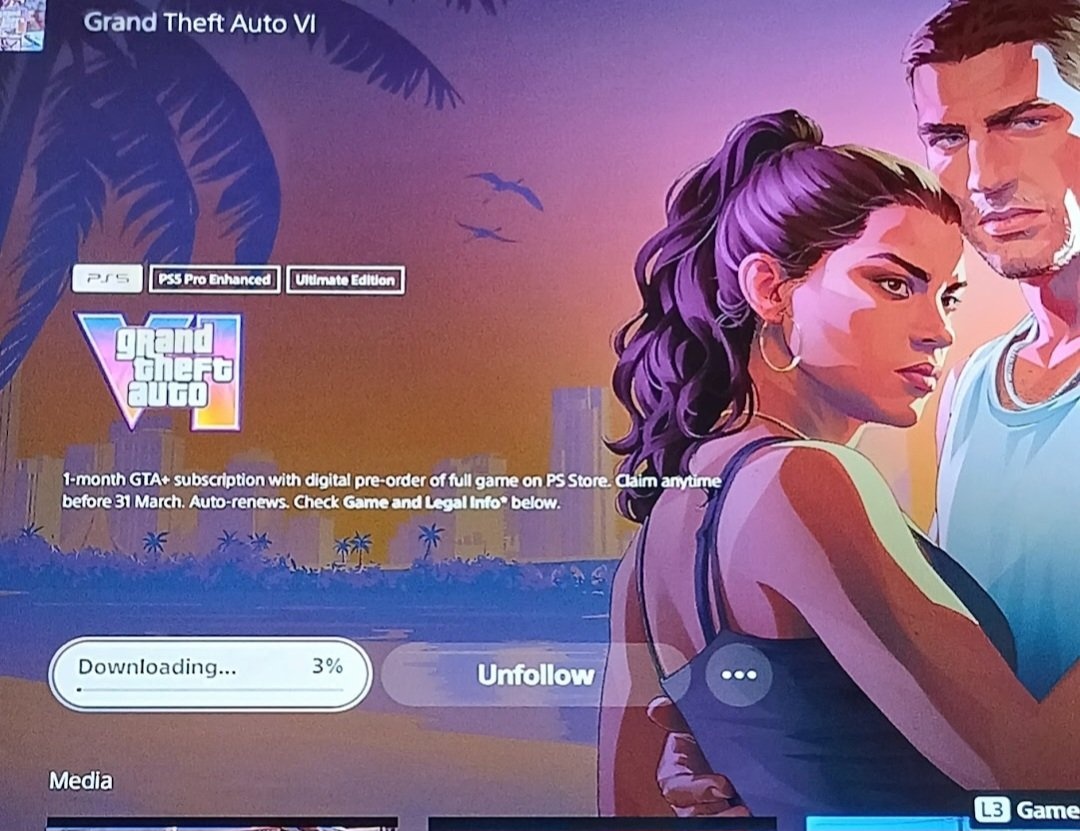
Rockstar Games announced on X that Grand Theft Auto VI launches on November 19, 2026 – just a week away and that pre‑orders and pre‑loads are already open worldwide, including code‑in‑box versions at retailers. The headline reads like a celebration, but for the average Pakistani gamer it is a reminder of a systemic failure: a globally hyped product that most of us cannot legally afford.
The real cost behind the hype
When Rockstar says “pre‑order now” it assumes a market saturated with high‑end consoles, fast broadband, and disposable income. In Pakistan, the average household spends roughly 30 % of its monthly earnings on food, 15 % on utilities, and less than 5 % on entertainment. A new PlayStation 5 retails for well over ₨ 120 000 on the black market, a price that eclipses the monthly salary of a junior civil servant. Even if the standard GTA VI edition were priced at $79.99 – a figure that has not been confirmed by Rockstar – the total outlay for a console plus the game easily tops ₨ 150 000.
One user, mersal_sakthi03, lamented the 13‑year wait only to “watch someone else play it on YouTube because you don’t own a console.” The sentiment is not unique; it is a chorus of frustration echoing across Pakistani gaming forums. The fact that pre‑loads are already live does nothing for a population that still battles power‑cuts and unreliable internet.
Why the launch matters beyond the screen
The launch window is a strategic move by Rockstar to capitalize on the holiday shopping season in the Global North. For Pakistan, the timing collides with a period of rising inflation and a shrinking middle class. When a multinational corporation declares a worldwide pre‑order, it implicitly forces local retailers to stock a product that will sit unsold for months, tying up capital that could otherwise be used for essential goods.
Consider the ripple effect: a teenager sells his bicycle to afford a pre‑order, a family diverts a portion of its education budget, and a small retailer in Lahore risks inventory loss on a console that may never see a buyer. The public cost is not measured in megabytes of graphics but in missed school fees, delayed medical appointments, and a deepening debt cycle.