

















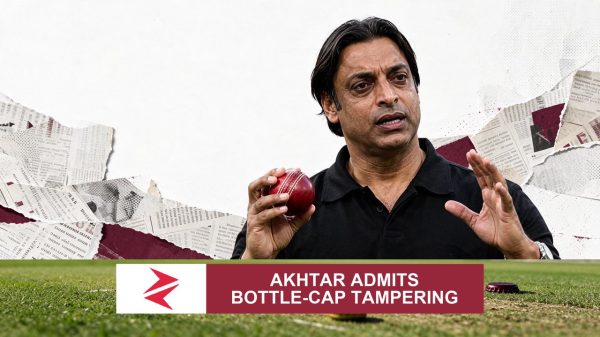



















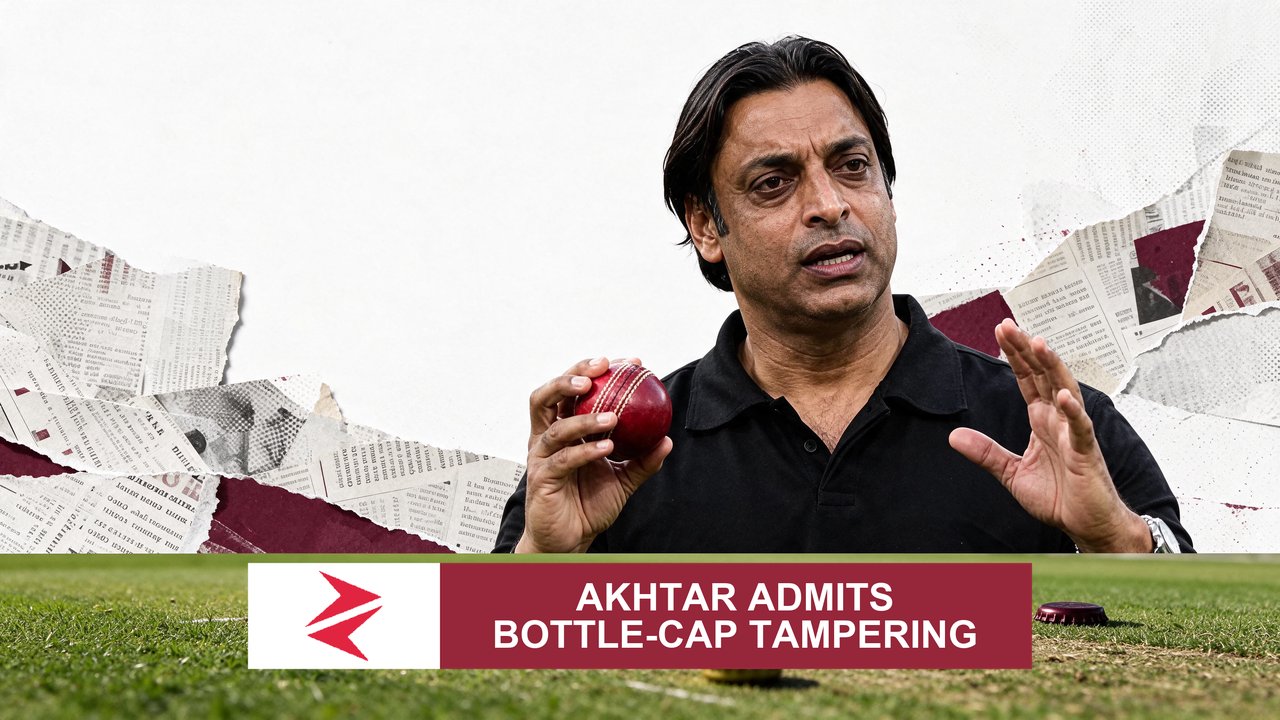
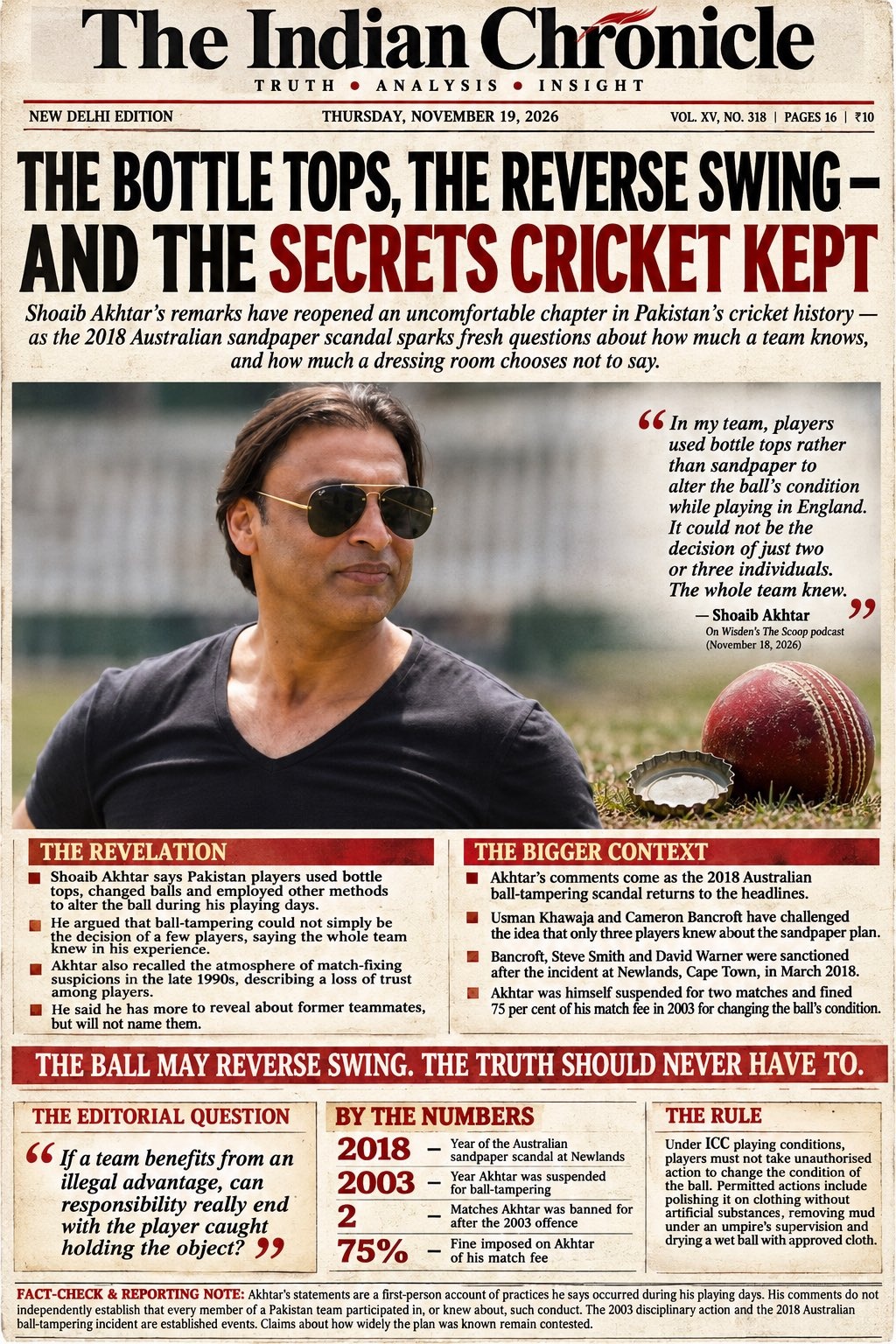
When a former fast‑bowling legend says, “we used bottle tops, not sandpaper,” the cricket world stops scrolling and listens. Shoaib Akhtar’s own words – quoted in The Indian Chronicle on 19 Nov 2026 and traced to his November 2020 Wisden podcast interview – admit that Pakistan’s players deliberately altered the ball with everyday bottle caps while touring England. The admission is not a new scandal; it is a confession that a generation of fans, sponsors, and aspiring cricketers were denied the clean narrative they deserved.
Why the bottle‑cap detail matters
Ball‑tampering is not a trivial breach of etiquette; it is a calculated attempt to engineer swing, deceive opponents, and tilt matches. By acknowledging that the entire team “knew” about the practice, Akhtar exposes a systemic mindset rather than an isolated act. The claim is an attributed allegation – we have the newspaper’s verbatim quote, but no independent audit of match footage or ICC investigation confirming the extent of the practice. Still, the admission alone forces a moral audit of the Pakistan Cricket Board (PCB) and its historical handling of integrity.
Public cost: trust, talent, and revenue
Pakistani fans have long endured a roller‑coaster of pride and disappointment. When a hero confesses that “the whole team knew,” the damage spreads beyond the scorecard. Trust erodes, leading to dwindling stadium attendance, reduced broadcast rights, and a hesitant sponsor base. A 2022 report by the PCB showed a 12 % dip in domestic ticket sales after the 2019‑20 sand‑paper scandal – a trend that could accelerate if the bottle‑cap confession fuels further disillusionment. Moreover, young bowlers lose role models; the narrative that “cheating was normal” discourages the next generation from pursuing the sport with integrity.