










Saudi Arabia’s transformation isn’t just about music and fashion—it’s about identity. The kingdom’s leaders are engaging with the public in ways they never did before. I read a report from 2016 that highlighted how Vision 2030 was promoted through social media, generating hundreds of thousands of messages—a far cry from the days of closed-door councils. This openness is empowering young Saudis to voice their opinions, but it’s also amplifying the clash between tradition and modernity. I can imagine someone saying, “More freedom for women is good, but is this going too far? Is this about adopting foreign values?” The confusion is real, and it’s a sentiment I’ve heard from expats and locals alike during my travels.
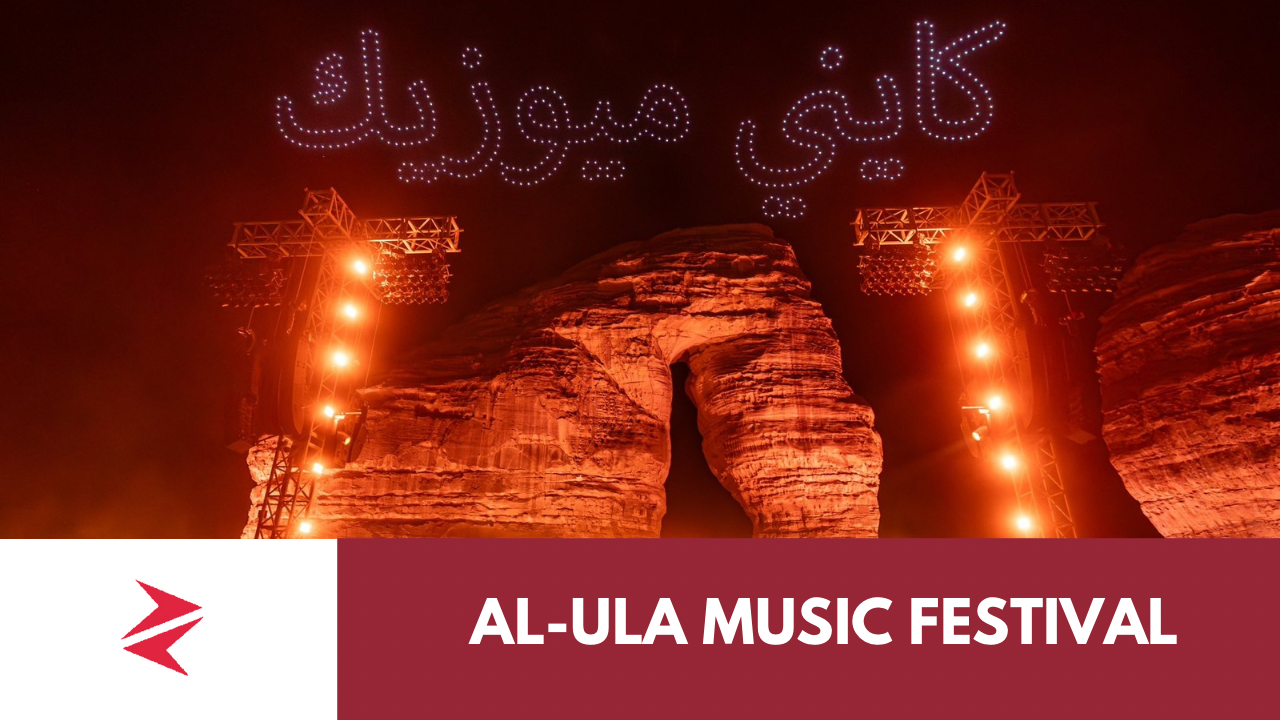
This isn’t just a Saudi story—it’s a regional one. I’ve been thinking about places like Lebanon and Turkmenistan, where societies are also grappling with how to balance heritage with global influences. But in Saudi Arabia, the stakes feel higher because of its role as the custodian of Islam’s holiest sites. When a rave happens in Al-Balad, it’s not just a party—it’s a statement about who the kingdom wants to be.
So, where do I stand? I’m torn. I believe in progress, in giving people—especially women—the freedom to express themselves. But I also respect the traditions that give a culture its depth and meaning. Maybe the answer lies in shifting our focus. If we stop obsessing over what women wear and start addressing the deeper issues—like how to build a future that honors the past while embracing the present—we might find a way forward.