




































Pakistani universities, in general, are often deemed inferior in producing software engineers compared to someone who can at least provide for their children – a task seen as more commendable than claiming to be a software engineer, a title frequently thrown around by university graduates as if it holds little significance. The international and local markets are distinct entities.
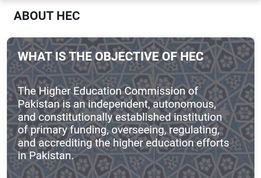
Why doesn’t the Higher Education Commission (HEC) address the urgent need for IT and skills development in our country? This aspect is often overlooked despite there being a course mandated by HEC that teaches about Ethical and Legal dimensions of Engineering. It is widely acknowledged that if our universities were to follow the standards you advocate, there would be little interest. Most people understand that it is more pragmatic to save time, pursue a course, start earning, and then acquire a degree from abroad.
In the initial semester, the curriculum includes ICT and Programming fundamentals, excluding subjects like Islamic Studies and English. The second semester covers Object-Oriented Programming, where instruction relies on slides and concepts such as pointers are explained concerning a book known for its numerous mistakes by an English author. Subsequently, Data Structures are introduced, with a recommended English book. Additional subjects in the curriculum consist of Physics, as well as language-related subjects like Arabic and English.
Concerning databases, approximately 25 pages are marked in a 1000-page book, which is considered sufficient for the fourth semester. Subsequent semesters explore topics such as C#, Java, and Web development (using PHP, HTML, jQuery, and JavaScript), covering foundational concepts and two specific aspects of the latter (with no emphasis on the fact that JavaScript is now utilized as a server-side language).
Advanced topics like Automata, algorithms (covered with a focus on 6-7 algorithms within a 6-month syllabus), and professional practices are also part of the curriculum. Networking and software design are taught through presentations and slides.
Ashamed to have Azad as a Pakistani Mentor
There is a reflection on the education system’s efficacy, with questions raised about the relevance and performance of universities and the Higher Education Commission (HEC). The inquiry extends to the current state of advanced courses and institutions in Pakistan. The objective assessment aims to evaluate the educational experience without singling out any specific individuals.
Mastery of any skill requires time, and there is no substitute for earning degrees. Acquiring degrees is not a simple task. Many sacrifices, including nights of sleep, numerous resources, precious belongings like a mother’s jewelry, and the dreams of many, are made to attain degrees. Therefore, it’s advisable not to take slogans promising achievements in just two months seriously; they are often part of a view-winning strategy, a dirty game with no substantial value.
Education goes beyond mere knowledge; we must liberate ourselves from such superficial notions. Universities are intended to shape your character, instill a sense of responsibility, impart street-smart skills, and help you recognize the joy of achievement. They are designed to emphasize the importance of friends and networking, offering valuable lessons in work and time management. Furthermore, universities teach essential financial management skills, including understanding funds and cash flow. They also provide valuable insights into the art of saying no.
Moreover, universities contribute to the enhancement of Emotional Intelligence (EI) by imparting lessons on morality, handling disgrace, navigating office politics, building speaking power, and fostering emotional strength, organization, wisdom, and confidence.
It’s important to understand that lessons learned from mistakes and failures are more valuable than anything else. Recognize that groomed and organized individuals are more likely to earn a name for themselves in the world. It’s not just about reaching a destination; the journey and what you accomplish along the way matter. Knowledge is merely a byproduct of this holistic process.