


























Incentives, responsibilities and the public cost
The PCB publicly vows to protect its marquee players from over‑exertion, yet franchise contracts are lucrative. Babar’s reported six‑figure UAE dirham salary dwarfs the monthly earnings of a Pakistani factory worker. If his performance falters, sponsors may withdraw and the PCB could face a budget shortfall, forcing cuts to youth programmes. Conversely, a scintillating debut would spark merchandise sales, benefitting street‑corner vendors selling Vipers scarves in Karachi’s Saddar market.
What the visual evidence really shows
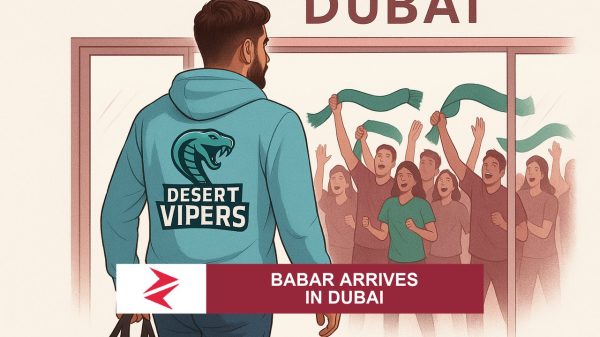
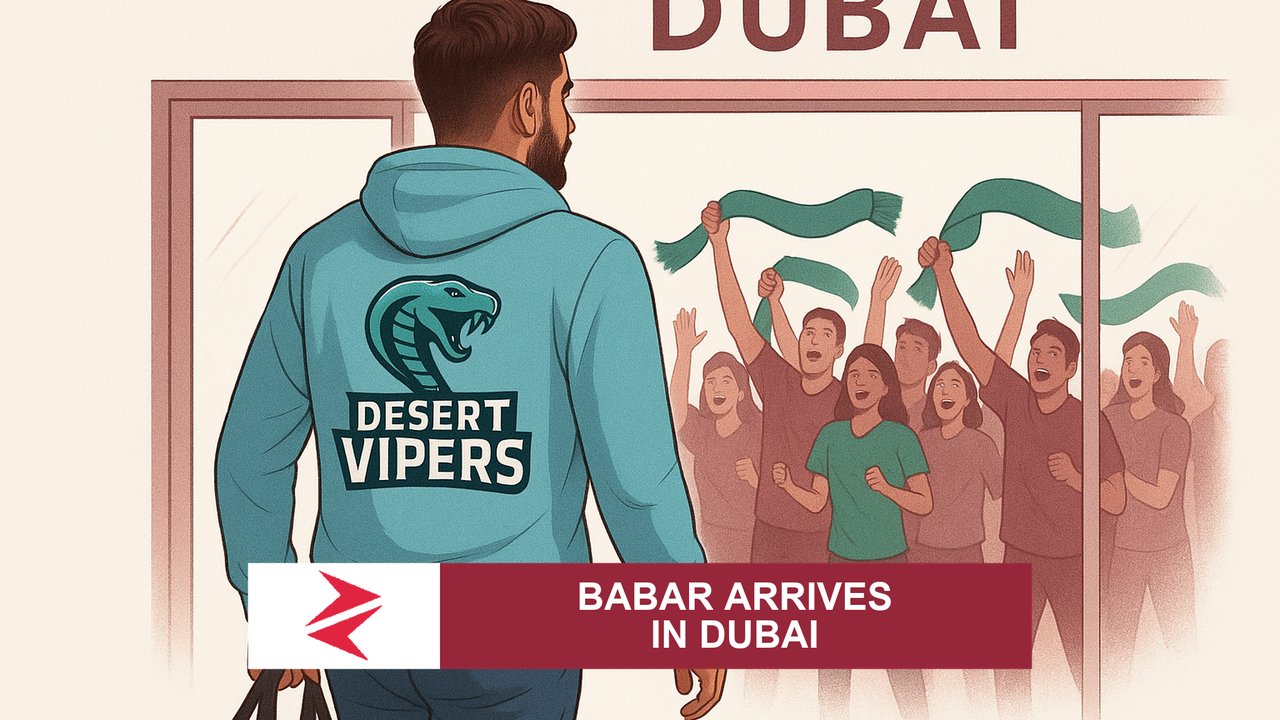
The image attached to the official post bears the Desert Vipers watermark and the team’s light‑blue sweatshirt. While the photo does not carry a caption naming the man, the franchise’s verified account released it as part of a promotional push, making it a reasonable proxy for Babar’s presence. The absence of an independent news outlet confirming the arrival does not invalidate the franchise’s own claim.

Beyond the hype – a question for the PCB
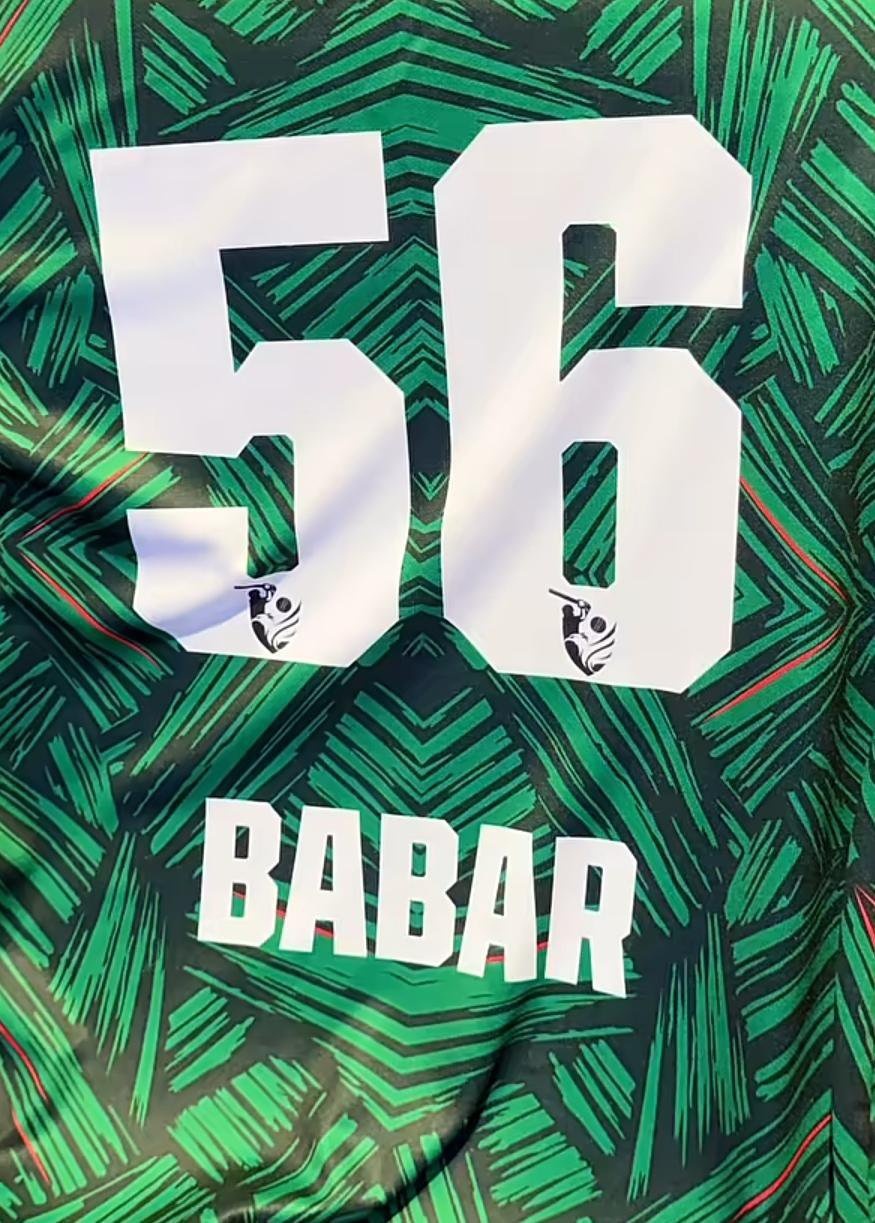
Given the financial stakes and the emotional weight Pakistan places on its cricket heroes, the PCB must answer: will it shield Babar’s workload to protect the national team’s long‑term interests, or will franchise profit motives dictate his schedule? The answer will decide whether today’s pride translates into sustainable growth or remains a fleeting spectacle.