








































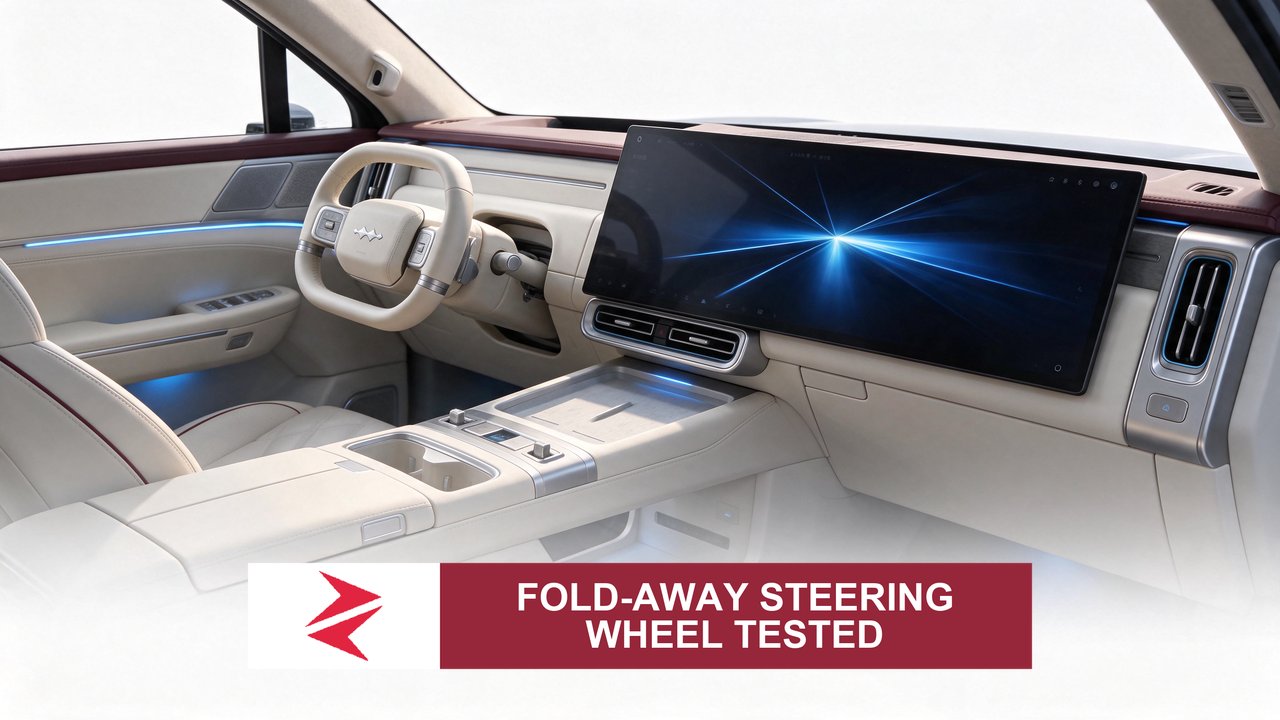
All these remarks are attributed allegations. None provide crash‑test data, failure‑rate statistics, or even a clear description of the folding mechanism’s actuation system. The only concrete technical detail we have is that the vehicle’s side mirrors auto‑fold (as shown in the graphic). Whether the steering column uses an electric motor, a hydraulic latch, or a purely mechanical latch is unknown.
From a consumer‑protection standpoint, the stakes are high. If the wheel fails to deploy when a driver needs to steer—especially at highway speeds—the consequences could be fatal. In Pakistan, where many drivers rely on older, less‑assisted vehicles, a sudden loss of steering control would be a disaster. Until BYD publishes a detailed safety validation, the feature remains a gamble.
Consumer cost beyond the sticker price
Even if the folding wheel works as advertised, the cost of ownership could balloon. @rvelb23 asked, “Imagine the cost to implement that vs the cost of not having one.” @nyun_975 echoed the concern: “If it breaks, the owner can’t drive it either.” @jake46733 summed it up succinctly: “More shit that will break and cost hundreds to fix.”
Repairing a motor‑driven steering column is not like swapping a brake pad. It involves electronic control units, precise calibration, and possibly proprietary tooling. In markets like Pakistan, where after‑sales service for Chinese brands is still developing, a failure could mean weeks of downtime or a hefty bill from an authorized service centre—if one exists at all.
Insurance premiums could also rise. Actuarial models treat any novel, untested safety system as a risk factor. Drivers may face higher premiums or exclusions until the feature proves its reliability over thousands of kilometres.
Market ripple – will rivals have to fold?
Some observers, like @Sullivanfc, see BYD’s move as a strategic price‑war weapon: “BYD is clearly trying to out‑innovate everyone on price. If the quality holds up, that’s going to be a huge problem for the legacy brands.” If the folding wheel proves reliable, it could force other manufacturers to invest in similar mechanisms or, more realistically, in steer‑by‑wire systems that free up cabin space without a moving column.