











































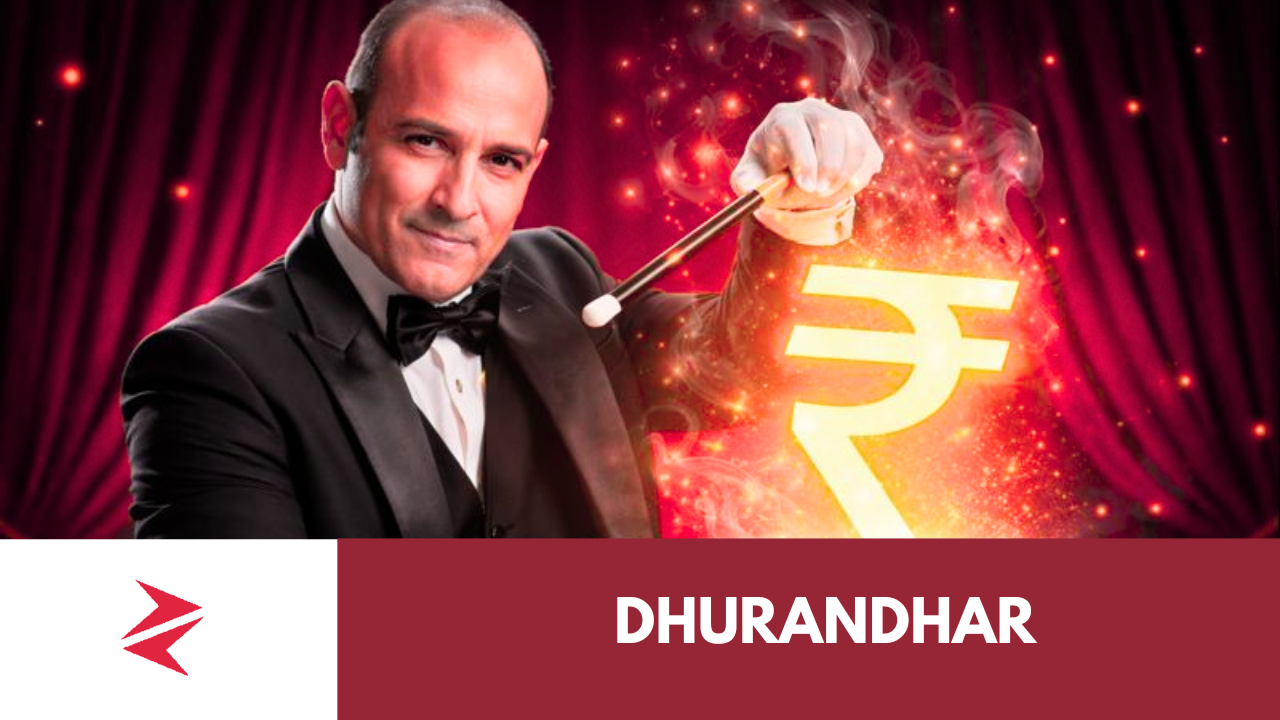
Even critics of the politics admitted Akshaye Khanna’s performance as Rahman Dakait had undeniable aura, menace, and chilling control. Scenes went viral for a reason.
Ranveer Singh and supporting turns, including Sanjay Dutt as Chaudhry Aslam, earned grudging respect for elevating a genre often dismissed as shallow propaganda.
The result: no single “Lyari verdict.” Widespread offense at the stereotype, paired with cross-border admiration for technical excellence and acting.
Real Rehman Dakait vs Bollywood Fantasy
Bollywood’s Dhurandhar glamorizes Lyari’s gangster Rehman Dakait as a stylish, dominant “Sher-e-Baloch” don—complete with viral dance scenes, swagger, and audience whistles.
The real Abdul Rehman Baloch (1976/1980–2009) tells a far darker story.
He rose in Lyari amid brutal gang wars involving drugs, extortion, arms, and kidnappings. Crime started early—stabbing at around 13, murders as a teenager. He was widely reported to have murdered his own mother, Khadija, in 1995—shot, strangled, or hung, depending on accounts—with police claiming she was a police informant or linked to rivals. The claim remains debated, but it cemented his feared reputation.
He ruled Lyari alongside cousin Uzair Baloch, enjoyed political cover through the Peoples’ Aman Committee, and was killed in a controversial police encounter in 2009—some claiming it was staged.
There was no icon status. No charm. No romance. Just fear.
Pakistani critics flagged clear inaccuracies: over-glorification of a ruthless killer, Lyari portrayed as a pure terror hub, cultural absurdities like characters constantly saying “Adaab” (no one in Karachi does), and the fantasy of Indian intelligence freely infiltrating and recruiting deep inside Lyari.
Counter-facts are often cited for a reason: Uzair Baloch later exposed and dismantled separatist cells and aided in Kulbhushan Jadhav’s arrest—directly contradicting the film’s ISI-gangster-terror nexus.

The Legal Shadow: Fiction vs Exploitation
The family of late Major Mohit Sharma (Ashoka Chakra) petitioned the Delhi High Court, alleging the film borrows from real undercover operations without consent or credit. The filmmakers insist the story is fictional. The court did not halt release.
But the question lingers: where does inspiration end and exploitation begin?
Nabil Gabool, complained that it didn’t capture his real “dabangg” (fearless/daring) persona:
Mera role bahot dabangg tha… inhone mere role ko sahi tareeke se nahi dikhaya.
For an industry that leans heavily on “based on true events” while dodging accountability, this case matters.
Music, Mislabeling, and Cultural Slippage
Then came the soundtrack controversy.
“Ishq Jalakar – Karvaan” reworks “Na To Karavan Ki Talash Hai,” rooted in qawwali traditions traced to Ustad Fateh Ali Khan and Ustad Mubarak Ali Khan, based on Sufi poet Ameer Bakhsh Sabri’s work.
Critics pointed out the irony: a film accused of anti-Pakistan sentiment borrowing from shared Indo-Pak Sufi heritage. Defenders cited Indian contributors like Sahir Ludhianvi and Roshan.
Both arguments coexist. That’s the discomfort.













