








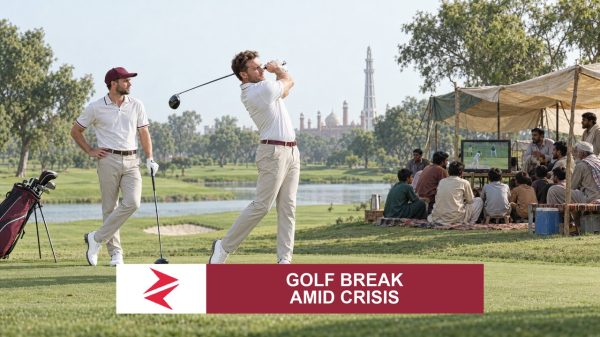




















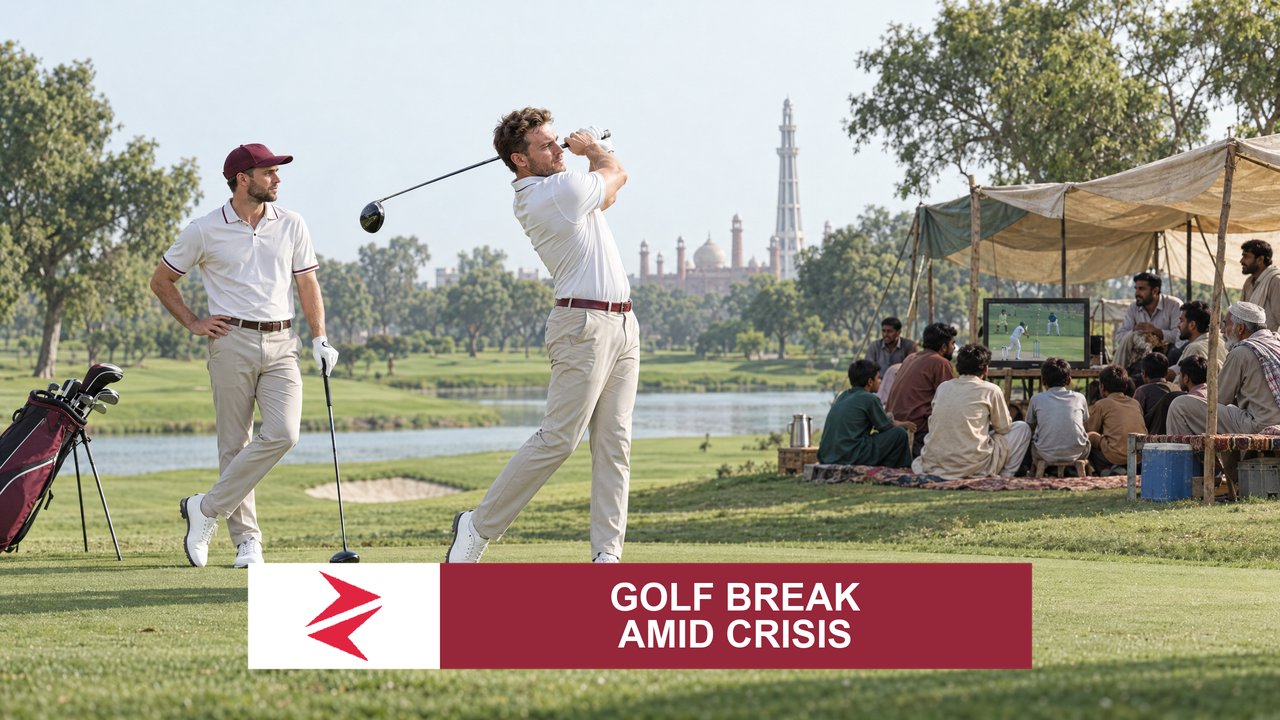
While families in Karachi scramble to stretch a Rs. 600‑kilogram chicken budget and farmers watch their wheat prices skyrocket, the Pakistan Cricket Board (PCB) proudly announced a round of golf for the visiting England side. The PCB’s own X post on 26 October 2026 read, “A round of golf for the England players and team management in Lahore” (link). The statement is factually accurate – the board scheduled a golf session – but the timing and optics betray a profound disconnect between elite sport and the everyday hardships of ordinary Pakistanis.
What the PCB Actually Confirmed
The only verifiable element in the entire controversy is the PCB’s tweet. It confirms that a golf outing was arranged for England’s players and management in Lahore, and it provides a visual of a green fairway, a red flag, and an “EXIT” sign. No other source – no match‑scorecard, no player photograph, no security briefing – corroborates who actually stepped onto the tee or whether the round took place after the defeats. The board’s announcement is therefore the sole factual anchor; everything else in the social‑media frenzy is speculation.


Why the Golf Break Matters
Cricket is Pakistan’s national passion, a unifier that can lift spirits when the economy falters. Yet the sport’s governing bodies have repeatedly prioritized spectacle over substance. By allocating resources to a leisure activity for a foreign team, the PCB implicitly signals that the concerns of a visiting side outweigh those of its own citizens, who are confronting record inflation, power cuts, and a volatile job market. The cost of arranging a private golf session – security, transportation, venue fees – is not disclosed, but it is reasonable to assume that it runs into millions of rupees, money that could have been redirected to grassroots cricket facilities or community relief programmes.
Security: A Double‑Edged Sword
Security was a major talking point in the aftermath of the 2009 Sri Lankan bus attack, a tragic reminder that cricket tours can become targets. The PCB’s tweet does not mention any security detail, yet the accompanying images show a police van and a heavily guarded convoy. The presence of such forces is not inherently wrong – safety is paramount – but the narrative that “extra security” equals “extra danger” is weaponised by commentators to paint Pakistan as a lawless state. The reality is more nuanced: a single police van was observed, and no independent assessment of the threat level was provided. Using security as a political cudgel without data only fuels anti‑Pakistan propaganda.