





































Share the post "The Indus Is Not Just Water. It Is Pakistan’s Civilizational Spine, Legal Shield, And Red Line."
FAQ: Is Pakistan Claiming The Indus Valley Civilization Or The Indus Waters Treaty?
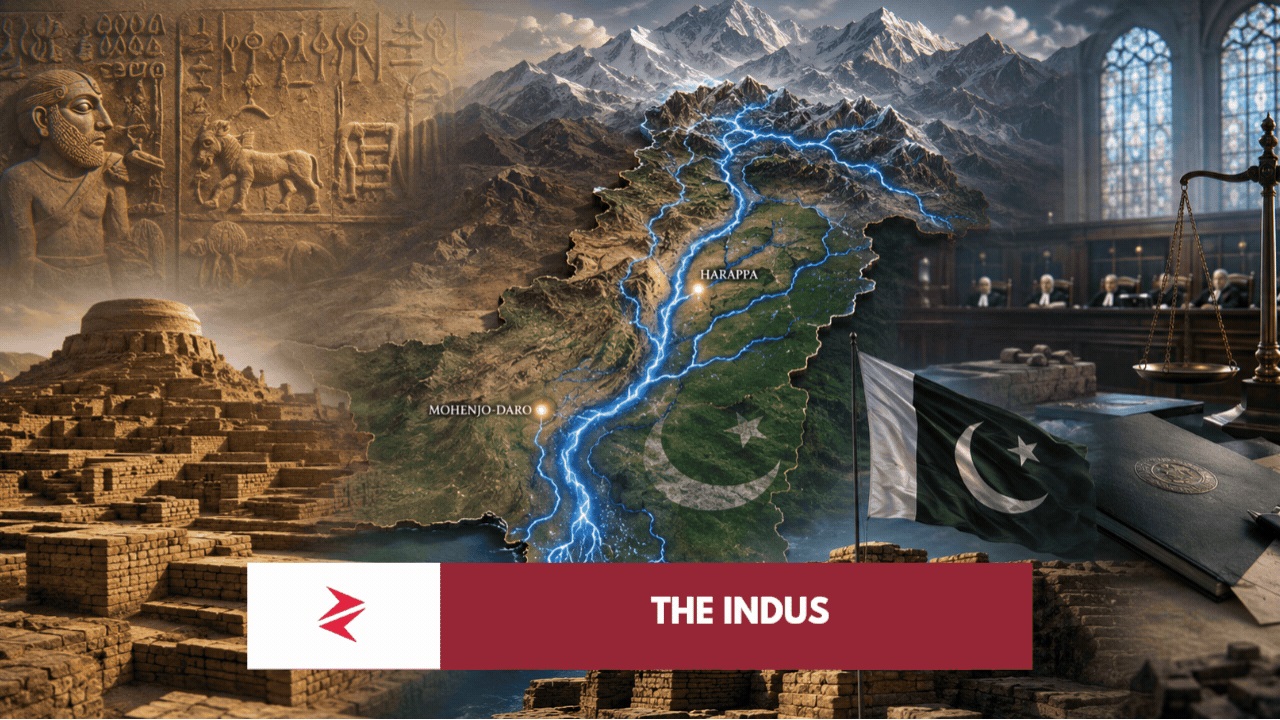
Pakistan is claiming both in different ways. The Indus Valley Civilization claim is civilizational and geographic: the core sites and river landscape sit in Pakistan. The Indus Waters Treaty claim is legal: Pakistan has treaty-protected rights over the western rivers and dispute-resolution mechanisms that India cannot dismiss simply because the ruling is inconvenient.
FAQ: Does Pakistan Legally Own Ravi And Beas Under The Current Treaty?
No. Under the current Indus Waters Treaty, Ravi and Beas are eastern rivers allocated to India, while Pakistan is allocated most uses of the western rivers. But if India claims the treaty is suspended or in abeyance, Pakistan can argue that India cannot selectively preserve eastern-river benefits while discarding western-river obligations. That is the strategic counterclaim.
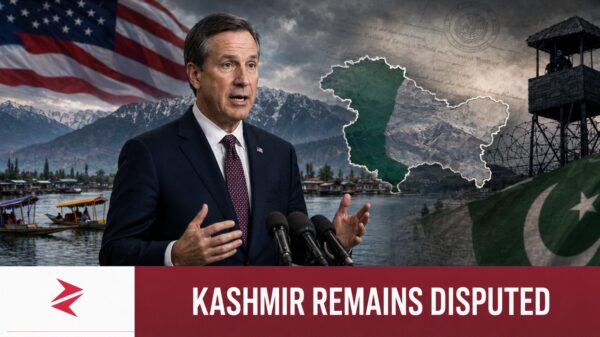
FAQ: Why Does Kashmir Matter In The Water Dispute?
Kashmir matters because the headwaters and hydropower projects tied to the western rivers sit in or around contested territory. Pakistan’s position is that India’s control over disputed Jammu and Kashmir cannot become a tool to manipulate flows into Pakistan. UN Security Council records have long treated Jammu and Kashmir as an India-Pakistan dispute rather than merely an internal Indian matter.











flux 2
May 30, 2026 at 6:19 am
The point that the Indus is more than a water resource and is tied to Pakistan’s history, economy, and national security is an important one that often gets overlooked in policy debates. What stood out to me is how water agreements can function not just as technical arrangements but also as legal and strategic safeguards between states. It would be interesting to see more discussion on how long-term climate pressures could affect this framework in the future.
Zorays
May 30, 2026 at 6:35 am
Thank you for your comment. I appreciate your thoughts on this topic.